No more London flights: Why IndiGo is ending its Boeing 787 Dreamliner programme
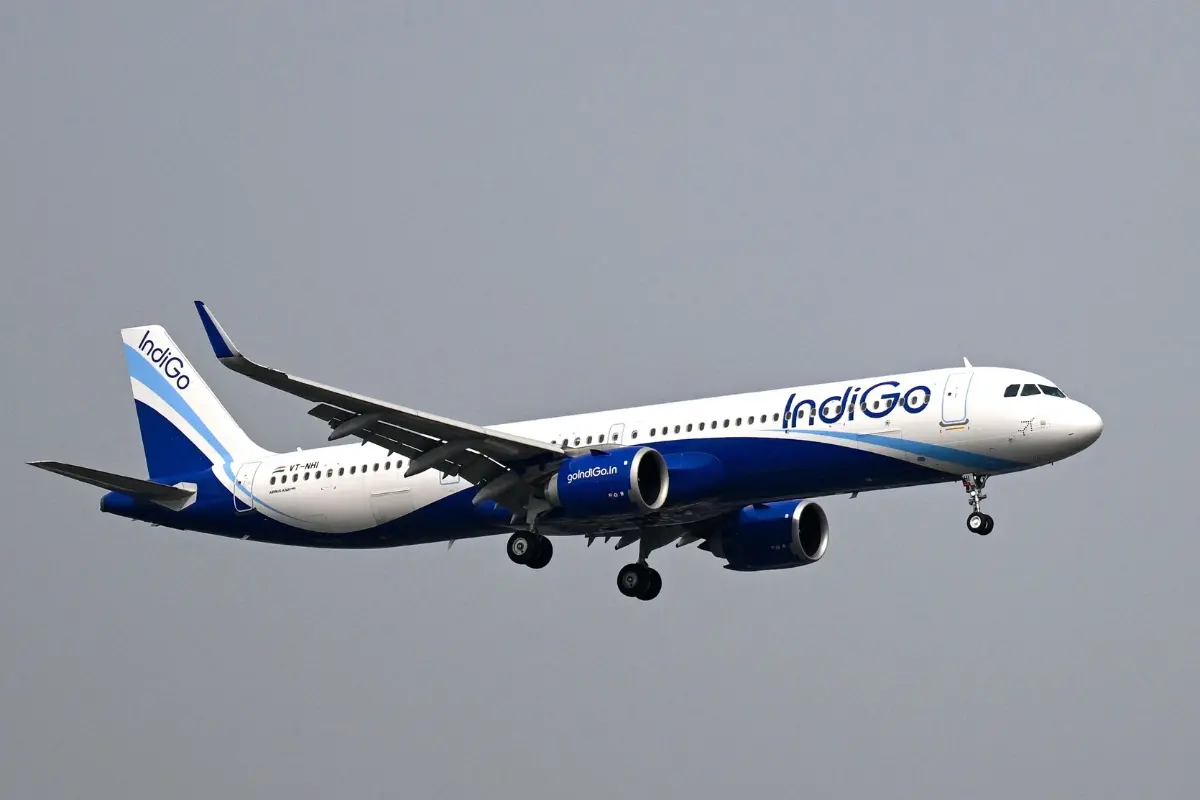
IndiGo, India's largest airline, has decided to temporarily step back from its long-haul international operations by ending its leased Boeing 787-9 Dreamliner programme. The airline announced that it will discontinue wide-body operations from October 25 and conclude its damp lease agreement with Norway-based Norse Atlantic Airways by October 31. While the decision marks a pause in IndiGo's long-haul journey, the airline has made it clear that its broader international expansion plans remain firmly on track.
What changed?
IndiGo had leased six Boeing 787-9 Dreamliner aircraft from Norse Atlantic Airways in early 2025 to begin operating flights to destinations in Europe and the United Kingdom. Under the damp lease arrangement, Norse Atlantic provided the aircraft and pilots, while IndiGo managed the cabin crew and passenger services.
The programme was introduced as a temporary step to help the airline gain experience in operating long-haul flights before the arrival of its own Airbus A350-900 aircraft.
However, the airline says global conditions have changed significantly over the past year, making the programme increasingly difficult to sustain.
Why IndiGo is ending the programme
According to IndiGo, a combination of geopolitical tensions and higher operating costs has reduced the commercial viability of its leased wide-body operations.
Several factors have contributed to the decision. Airspace restrictions caused by geopolitical conflicts have forced airlines to take longer flight routes, increasing fuel consumption and flight times. At the same time, aviation fuel prices have remained high, while the weaker Indian rupee has increased the cost of paying for aircraft leases and other expenses that are largely denominated in US dollars.
The airline also said these challenges affected route efficiency, flight schedules, connectivity and the overall competitiveness of its long-haul services.
Will this impact travellers
Passengers travelling to Europe will notice some important changes from the end of October.
IndiGo's Mumbai-Amsterdam route will continue operating, but instead of the Boeing 787 Dreamliner, it will use the new Airbus A321XLR aircraft. Although the A321XLR is a narrow-body aircraft, it has the range to operate certain long international routes more efficiently and at lower operating costs.
Meanwhile, flights between India and London Heathrow will be suspended from October 25 until IndiGo begins receiving its Airbus A350-900 fleet. The airline has assured passengers that those affected by the changes will be offered alternative travel arrangements or refunds wherever applicable.
Long-Term plans unchanged
Despite suspending its leased Boeing 787 operations, IndiGo insists that this is only a temporary adjustment rather than a change in strategy. Abhijit Dasgupta, Senior Vice President, Planning and Revenue Management at IndiGo, said the Boeing 787 programme had always been intended as a bridge until the airline's own wide-body aircraft entered service.
He noted that the experience gained during the programme has helped IndiGo strengthen its capabilities in long-haul route planning, crew management, maintenance, airport operations, customer service, revenue management and international partnerships.
According to the airline, customer response to its European services has also reinforced confidence in its long-term international ambitions.
A321XLR becomes the interim solution
Until the Airbus A350-900 aircraft join its fleet, IndiGo plans to continue expanding selected international routes using the Airbus A321XLR. The A321XLR offers airlines a more economical option for medium- to long-distance international flights, allowing them to connect cities without the higher operating costs associated with larger wide-body aircraft.
This approach enables IndiGo to maintain its international presence while carefully managing costs during a period of global uncertainty.
A mindful pause
Industry observers are likely to view IndiGo's decision as a practical business move rather than a sign of weakening international ambitions.
Launching long-haul operations through leased aircraft allowed the airline to test markets, build operational expertise and understand customer demand without waiting for deliveries of its own Airbus A350 fleet. With global aviation facing volatile fuel prices, restricted airspace and currency fluctuations, continuing an expensive lease programme may have become financially difficult.
By stepping back now, IndiGo is choosing to protect profitability while preserving resources for the next phase of expansion.
Conclusion
Once its Airbus A350-900 aircraft begin joining the fleet, IndiGo is expected to resume its long-haul growth plans with greater operational control and lower dependence on leased aircraft.
For travellers, the immediate impact will be limited to the temporary suspension of London Heathrow services and changes to aircraft operating on some European routes. The airline has promised to assist affected passengers with rebooking options or refunds, while continuing to strengthen its international network through the Airbus A321XLR.
Although the Boeing 787 chapter is coming to an end, IndiGo's long-term goal of becoming a stronger global airline remains firmly in place.