IndiGo's dramatic go-around at Navi Mumbai shows why safety always comes first
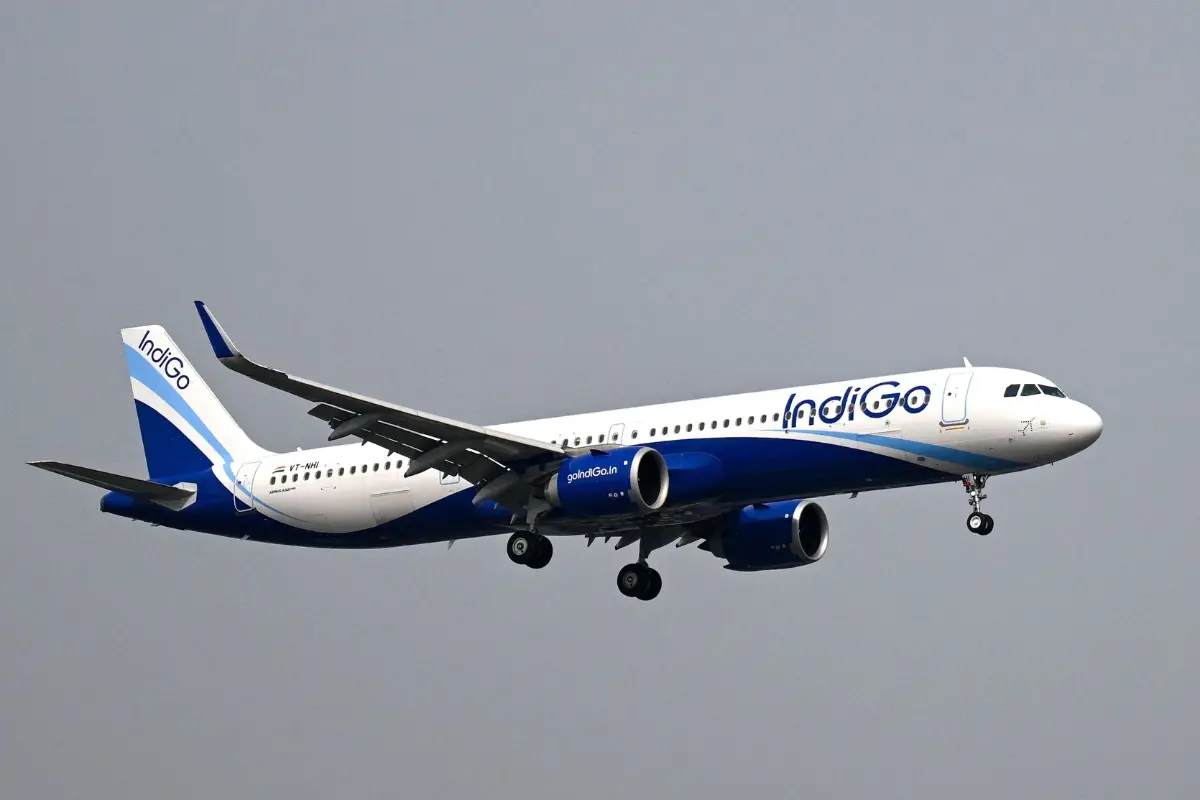
A dramatic video of an IndiGo ATR aircraft aborting its landing in heavy monsoon rain has gone viral.
Still, aviation experts say the manoeuvre is a routine safety procedure designed to protect passengers when weather conditions become unsafe.
The sight of an aircraft descending towards the runway before suddenly climbing back into the sky can be alarming for passengers and aviation enthusiasts alike.
A video showing an IndiGo ATR aircraft performing a go-around while attempting to land at Navi Mumbai Airport during heavy monsoon rain has gone viral on social media, sparking curiosity and concern over what exactly happened.
While the manoeuvre may appear dramatic, aviation experts say it is one of the safest decisions a flight crew can make when landing conditions are no longer considered safe.
The incident comes as relentless monsoon rains continue to batter Mumbai and surrounding regions, disrupting air, rail and road transport while prompting authorities to issue weather warnings across Maharashtra. What happened during the landing attempt?
The IndiGo ATR aircraft was on its final approach to Navi Mumbai Airport when deteriorating weather conditions forced the pilots to discontinue the landing.
Instead of touching down, the aircraft increased engine power, climbed away from the runway, and entered another circuit before attempting a fresh landing.
This procedure, known in aviation as a go-around, is a standard operating practice followed by airlines worldwide whenever pilots determine that continuing the landing could compromise safety.
Although passengers unfamiliar with aviation may find the sudden climb unsettling, a go-around is neither unusual nor an indication of an emergency.
Why do pilots abort a landing? Landing is widely regarded as one of the most demanding phases of any flight. Pilots must ensure that several factors remain within strict safety limits before committing to touchdown.
If visibility suddenly reduces, heavy rain intensifies, crosswinds become stronger than expected, another aircraft occupies the runway, or the aircraft is not correctly aligned with the runway, pilots are trained to immediately abandon the landing attempt.
Rather than trying to ‘salvage’ an unstable approach, they simply fly the aircraft away from the runway and prepare for another attempt once conditions improve.
This philosophy is deeply embedded in modern aviation safety. In commercial aviation, there is no pressure to complete a landing if safety margins are reduced.
Airlines encourage pilots to execute a go-around whenever required, making it a proactive safety decision rather than a sign that something has gone wrong. The monsoon challenge.
The incident took place during one of the most intense spells of monsoon rainfall experienced by the Mumbai Metropolitan Region this season.
The India Meteorological Department (IMD) placed Mumbai and neighbouring districts under an Orange Alert, warning of heavy rainfall accompanied by strong winds and poor visibility.
Such weather conditions present multiple challenges for aircraft during landing. Heavy rain can significantly reduce a pilot's forward visibility, while gusty winds can make it difficult to maintain a stable approach.
Wet runways also require additional caution during landing. Even though modern aircraft are equipped with sophisticated navigation systems, pilots ultimately rely on stable weather conditions to complete a safe landing. Wind shear.
One of the biggest concerns for pilots during monsoon operations is wind shear, a sudden and sometimes unpredictable change in wind speed or wind direction over a very short distance.
Wind shear can rapidly affect an aircraft's lift and stability, particularly during take-off and landing when aircraft are flying at relatively low speeds and altitudes.
If pilots suspect wind shear or experience unstable flying conditions, they are trained to immediately initiate a go-around.
Commercial airline pilots regularly practise such scenarios in advanced flight simulators, ensuring they can respond quickly and confidently when real-life weather conditions deteriorate. Safety before schedule.
The viral video has attracted widespread attention because the manoeuvre appeared dramatic from the ground.
However, aviation professionals point out that the aircraft responded exactly as it was designed to.
Modern commercial aviation operates on a simple principle: if there is any doubt about a safe landing, the safest option is to go around and try again.
While this may result in a few extra minutes of flying, it significantly reduces operational risk.
Every commercial airline follows this philosophy, and pilots are empowered to decide without hesitation whenever conditions demand it.
For aviation enthusiasts, videos of aircraft performing go-arounds often become viral because they offer a rare glimpse into decision-making inside the cockpit.
But for airline pilots, the manoeuvre is simply another example of aviation's uncompromising commitment to safety.
Every landing is carefully assessed in real time, and when weather conditions change unexpectedly, pilots follow internationally established procedures without taking unnecessary risks.
The IndiGo aircraft's go-around at Navi Mumbai Airport is therefore not a story of a failed landing, but of a successful safety decision.
As the monsoon continues to challenge aviation operations across western India, the incident serves as a reminder that in commercial aviation, reaching the destination safely will always take priority over landing on the first attempt.