IndiGo eyes 150 Embraer jets in major regional fleet expansion
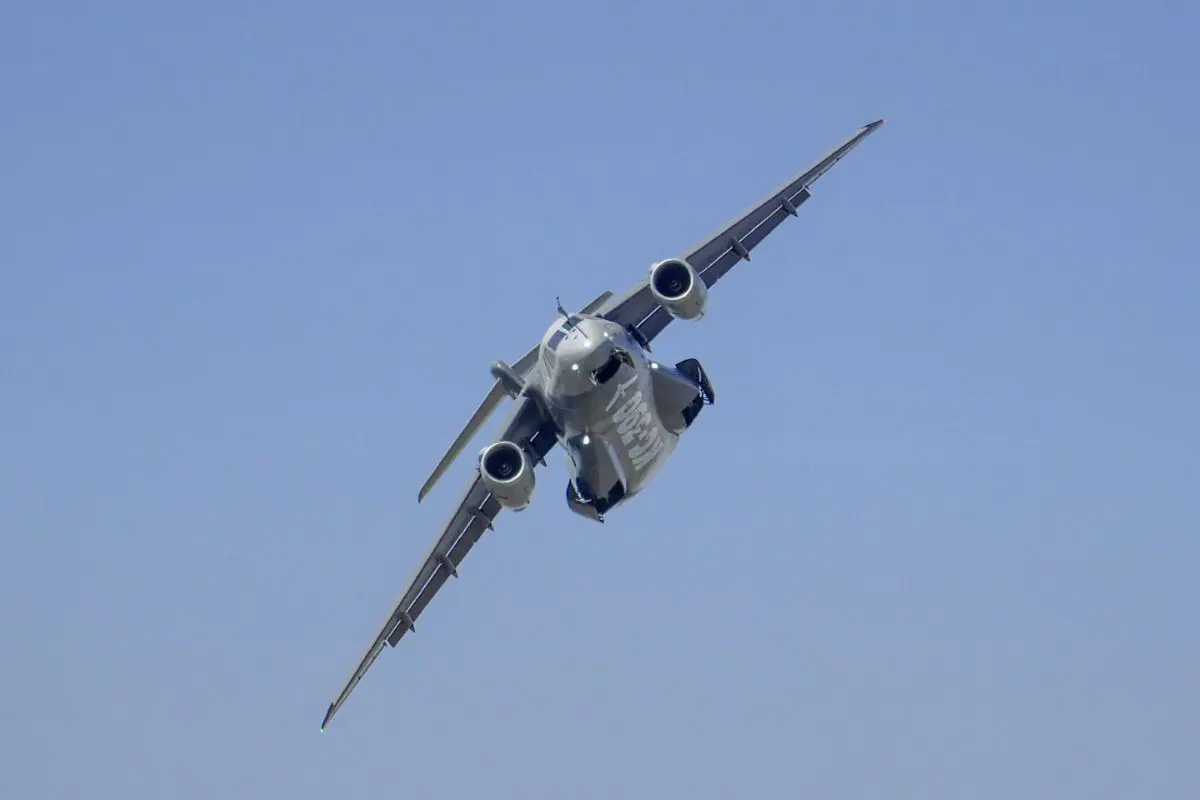
IndiGo is in discussions with Embraer to buy 100 regional jets, with an option to purchase around 50 more. If the discussions lead to an agreement, it could become one of the largest aircraft orders placed with Embraer and mark a major breakthrough for the company in India's rapidly expanding aviation market.
The talks are still at an early stage, and a deal is not guaranteed, according to three people with direct knowledge of the discussions, who spoke to Reuters on condition of anonymity. The aircraft model has not yet been finalised, and the number of aircraft under consideration could also change. If an agreement is reached, deliveries are expected to begin no earlier than 2030, according to two of the sources.
The scale of the discussions is being reported for the first time. IndiGo and Embraer had not immediately responded to requests for comment at the time of reporting.
A successful order for 100 aircraft could be worth billions of dollars at list prices, although aircraft manufacturers generally offer substantial discounts on large orders. Beyond the financial value, the potential deal could have important implications for IndiGo's network expansion and Embraer's efforts to establish a stronger presence in India.
Why is IndiGo looking at regional jets?
IndiGo has built much of its domestic network around Airbus narrowbody aircraft, supported by its fleet of ATR turboprops for shorter regional routes. However, as passenger demand grows across India, the airline may need different aircraft types to serve markets with varying levels of demand.
Regional jets could offer a middle ground between smaller turboprops and larger narrowbody aircraft. They would allow IndiGo to introduce more seats on certain routes currently served by ATR aircraft, while also exploring additional connections to regional destinations where demand may not be sufficient to support larger aircraft.
For example, replacing some ATR services with regional jets could help the airline increase capacity on existing routes without necessarily deploying larger Airbus aircraft. This could be particularly useful in markets where passenger numbers are growing but remain below the levels required for larger aircraft.
The discussions also come at a time when IndiGo is looking to expand its network while maintaining its low-cost short-haul business. Its CEO, Willie Walsh, who took charge in August, has indicated that the airline intends to grow its long-haul operations without compromising its established domestic and short-haul model.
Which Embraer aircraft could be considered?
Embraer has been promoting its regional aircraft to Indian airlines, offering different aircraft sizes to suit varying route requirements.
Its E175-E1, an older-generation model, can accommodate up to 88 passengers. The manufacturer also produces the newer E190-E2 and E195-E2 aircraft, which feature more fuel-efficient engines and can carry up to 114 and 146 passengers, respectively.
The final aircraft model under discussion with IndiGo has not been decided. The choice will be important because each aircraft offers a different capacity and operating profile. The airline will need to assess passenger demand, route economics, operating costs and the role these aircraft could play alongside its existing Airbus and ATR fleets.
A regional jet fleet could give IndiGo greater flexibility in matching aircraft capacity to demand across its network. However, introducing another aircraft family would also involve considerations such as pilot training, maintenance infrastructure, spare parts availability and operational support.
A major opportunity for Embraer in India
For Embraer, an order from IndiGo would be a significant achievement in one of the world's largest and fastest-growing domestic aviation markets.
Despite India's expanding airline industry, Embraer aircraft currently have a limited presence in the country. Star Air, a smaller regional airline, is presently the only Indian carrier operating Embraer jets.
The Brazilian manufacturer has been exploring opportunities to strengthen its position in India, including the possibility of local aircraft assembly. Earlier this year, Embraer signed a non-binding agreement with Adani Defence & Aerospace to explore the establishment of a final assembly line in India for its E175-E1 aircraft.
The proposal is part of Embraer's broader effort to build a manufacturing presence in the country and tap into the growing demand for regional aircraft.
In March, Embraer Chief Executive Francisco Gomes Neto told Reuters that the proposed Indian assembly line would depend on securing orders for at least 200 aircraft. He indicated that aircraft assembled in India could begin deliveries from 2028 if the required orders were secured by the end of 2026.
An IndiGo order for 100 aircraft, with a possible additional 50, would therefore be an important step towards that target, although it would not by itself meet the stated requirement of 200 aircraft. Embraer would need further orders to make the proposed assembly plan viable.
IndiGo's fleet expansion plans
The discussions with Embraer come as IndiGo prepares for another phase of fleet growth. The airline had 442 aircraft in its fleet as of September and is targeting a fleet of around 600 aircraft by 2030.
Its fleet is currently dominated by Airbus narrowbody aircraft, along with 44 ATR turboprops. The potential addition of regional jets would introduce another aircraft category into its operations and could give the airline more options when planning routes and managing capacity.
IndiGo's strategy is also evolving under Walsh's leadership, with the airline looking to expand long-haul flying while protecting its low-cost short-haul business. A larger and more varied fleet could support this expansion, provided the different aircraft types are deployed where they make commercial sense.
However, the potential Embraer order should not be viewed simply as a fleet expansion exercise. It could also indicate that IndiGo is examining how best to serve India's changing domestic aviation market, where demand is growing beyond the largest metropolitan routes.
What could this mean for regional connectivity?
India's aviation growth is increasingly creating opportunities beyond the country's busiest airports. As more people travel by air, airlines will need to connect additional cities and increase frequencies on routes where passenger demand is developing.
Regional jets could help bridge the gap between smaller turboprops and larger narrowbody aircraft. They may allow airlines to offer more seats and potentially improve the economics of routes where ATR aircraft are approaching their capacity limits but larger jets may be difficult to fill.
For IndiGo, the aircraft could provide another tool to expand its regional network. For Embraer, a major order would strengthen its case for India as a market for regional aircraft and could support its longer-term manufacturing ambitions.
Much will depend on whether the current discussions translate into a firm order, which aircraft model is selected and how the proposed fleet fits into IndiGo's wider operating strategy. With deliveries unlikely before 2030, the potential order is still some distance from becoming an operational reality.
Nevertheless, the talks point to an important possibility for Indian aviation: the next phase of domestic growth may require not just more aircraft, but a wider range of aircraft suited to different markets and passenger demand.