India’s maritime paradox: Paying as much as defence budget to foreign shipowners
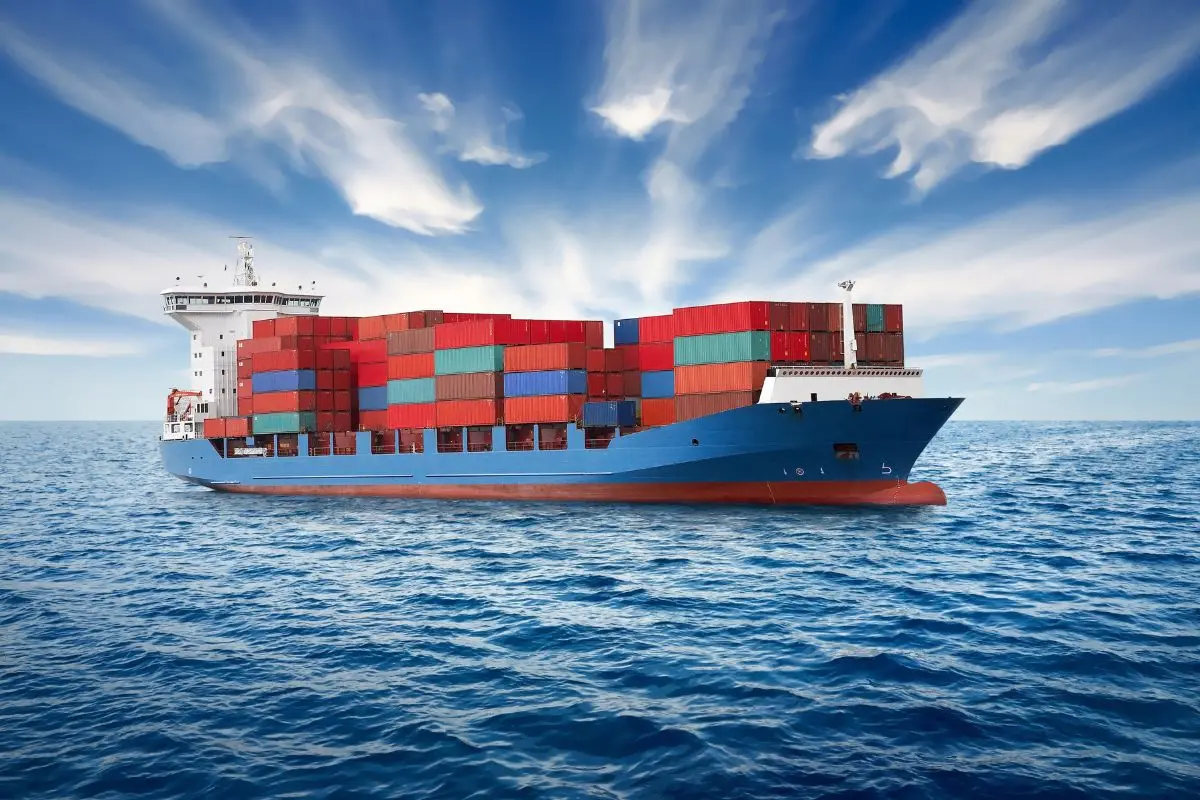
India is spending an amount nearly equal to its defence budget on payments to foreign shipowners for transporting essential cargo — a critical economic drain that experts say must be redirected into domestic shipbuilding.
This concern dominated discussions at the Kochi Shipbuilding Summit 2025, held on Wednesday, where maritime, naval, industrial, and academic leaders convened to craft strategies for achieving self-reliance under Vision 2047. The event, jointly organised by the Centre for Public Policy Research (CPPR) and Cochin Shipyard Ltd., called for coordinated policy reforms and large-scale investment to curb the ongoing financial outflow.
Prime Minister Narendra Modi last month had raised the same issue, highlighting the need to reduce India’s foreign dependency in the shipping sector.
Heavy foreign dependence hampers growth
During a panel on “Steering India’s Shipbuilding Industry: Collaboration, Innovation and Investment for 2047,” Hariraj P, Chief Operating Officer of Smart Engineering & Design Solutions Ltd (SEDS), referred to the Prime Minister’s observation that India pays foreign shipowners nearly as much as its defence budget. He stressed that redirecting this expenditure into domestic shipbuilding and design could significantly strengthen the nation’s economy and global competitiveness.
Although over 95% of India’s trade moves by sea, Vice Admiral G Ashok Kumar PVSM, AVSM, VSM (Retd) pointed out that of the 1,550 ships operating under the Indian flag, fewer than 7% are built domestically. He emphasised that increasing homegrown capacity is crucial not only for economic stability but also for national security. He further noted that policy objectives should be realistic and phased, aligning with “ground realities.”
Industry challenges and the need for support
Despite the Government of India’s ₹70,000 crore commitment to foster collaboration and innovation, the shipbuilding sector continues to face structural challenges. Biju George, Director (Shipbuilding) at Mazagon Dock Shipbuilders Limited (MDL), explained that high import dependence, driven by an underdeveloped ancillary industry, creates a 25–30% cost gap compared to global competitors. He called for stronger government support to make the domestic industry viable.
While Indian engineers demonstrate world-class design skills — often rivaling their European counterparts — the overall pace of shipbuilding remains slow.
Policy integration and academic synergy
Moderator Dr R P Pradhan, Professor at BITS Pilani, argued that governance must be streamlined, suggesting an expansion of the National Maritime Security Coordinator’s role into a National Maritime Coordinator to ensure better policy integration across development sectors.
Dr D Dhanuraj, Founder-Chairman of CPPR, underlined the importance of cooperation between academia and industry. “Building an ecosystem that encourages research, skill development, and global partnerships is essential for India to achieve long-term maritime leadership,” he said.
Roadmap for Vision 2047
The panel concluded by urging the implementation of “backward planned strategies” — with measurable milestones — to align India’s maritime development with global trends and future opportunities.
Experts agreed that achieving self-reliance in shipbuilding is not merely an economic goal but a strategic necessity for India’s growth under Vision 2047.