India’s first green jet fuel plant takes off in Panipat, powered by used cooking oil
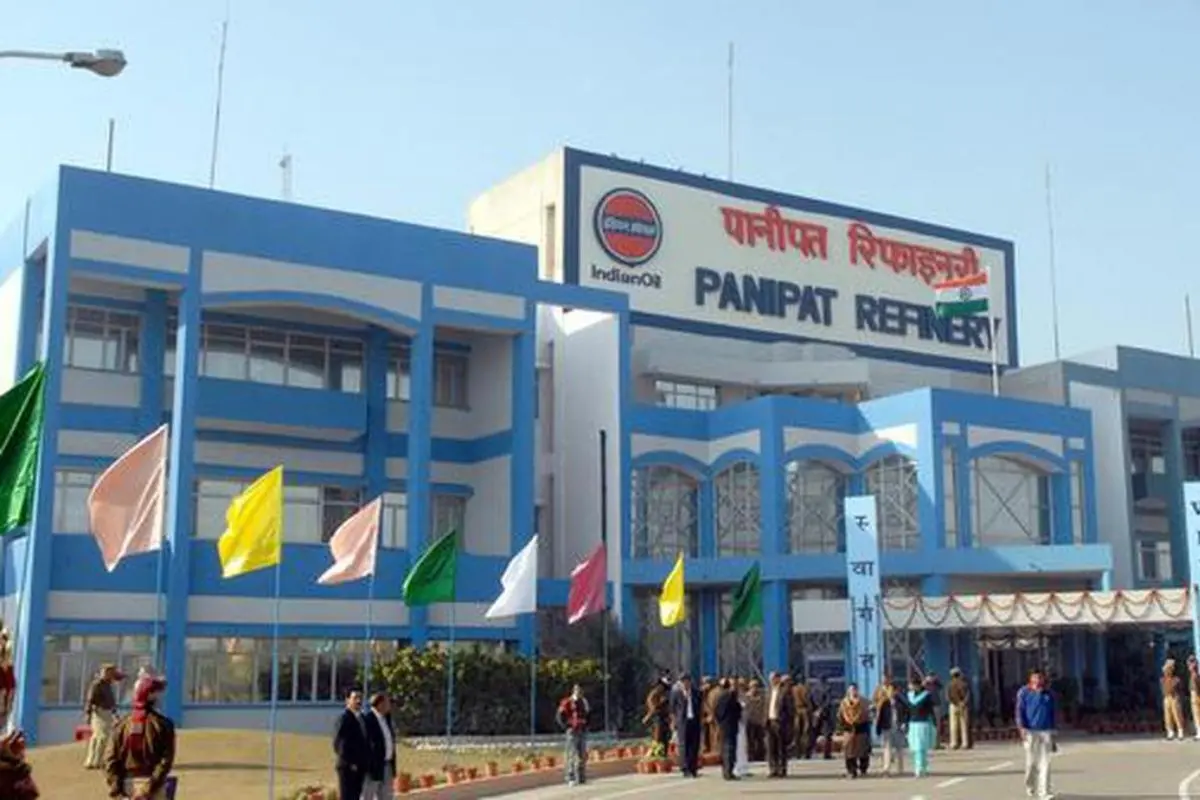
India has taken a major step towards cleaner air travel with the Panipat Refinery becoming the country’s first certified facility to produce Sustainable Aviation Fuel (SAF) from used cooking oil.
The refinery received its certification from Cotecna Inspection India, a branch of the Swiss-based Cotecna Inspection Group, after a detailed verification process. The move is the result of close coordination between the Ministry of Petroleum & Natural Gas, the Ministry of Civil Aviation, and the Directorate General of Civil Aviation (DGCA).
The aviation industry is one of the hardest sectors to decarbonise because aircraft cannot yet rely on battery-powered propulsion for long flights. SAF is seen as a game-changing solution, capable of reducing greenhouse gas emissions by up to 80% over its lifecycle compared to conventional jet fuel. It works as a direct replacement for aviation turbine fuel (ATF) without requiring changes to aircraft engines, making it one of the fastest deployable green technologies for the sector.
Panipat’s SAF is also compliant with CORSIA (Carbon Offsetting and Reduction Scheme for International Aviation), a global framework developed by the International Civil Aviation Organization (ICAO) to help airlines meet carbon reduction targets. This compliance ensures the fuel meets both domestic and international sustainability standards, opening doors for global adoption.
Used cooking oil that is often wasted is collected from restaurants, food processing units, and households. It is then filtered to remove food particles, purified to eliminate contaminants, and refined through a series of chemical processes to produce jet-grade SAF. This not only provides an alternative fuel source but also helps prevent improper disposal of waste oils, which can harm the environment.
The government is planning a SAF blending mandate starting with a requirement that 1% of all fuel uplifted for international flights from India must be SAF by 2027. The long-term vision includes expanding this requirement to domestic flights and gradually increasing the blending percentage in the following years.
India has also been conducting test flights with SAF-blended fuel over the past two years, working with airlines, oil companies, and research bodies to ensure the transition is smooth and technically sound. The Panipat milestone now provides the infrastructure backbone to scale up production.
Globally, aviation accounts for about 2-3% of CO₂ emissions, but its share is expected to grow as more people fly. India’s SAF initiative, starting at Panipat positions the country as a serious player in sustainable aviation and could also open export opportunities in the Asia-Pacific region.
With kitchen waste now fuelling jets, India’s journey towards net-zero aviation has officially taken off, one step, one flight, and one drop of cooking oil at a time.