Trump’s move to end birthright citizenship: A blow to Indian Americans?
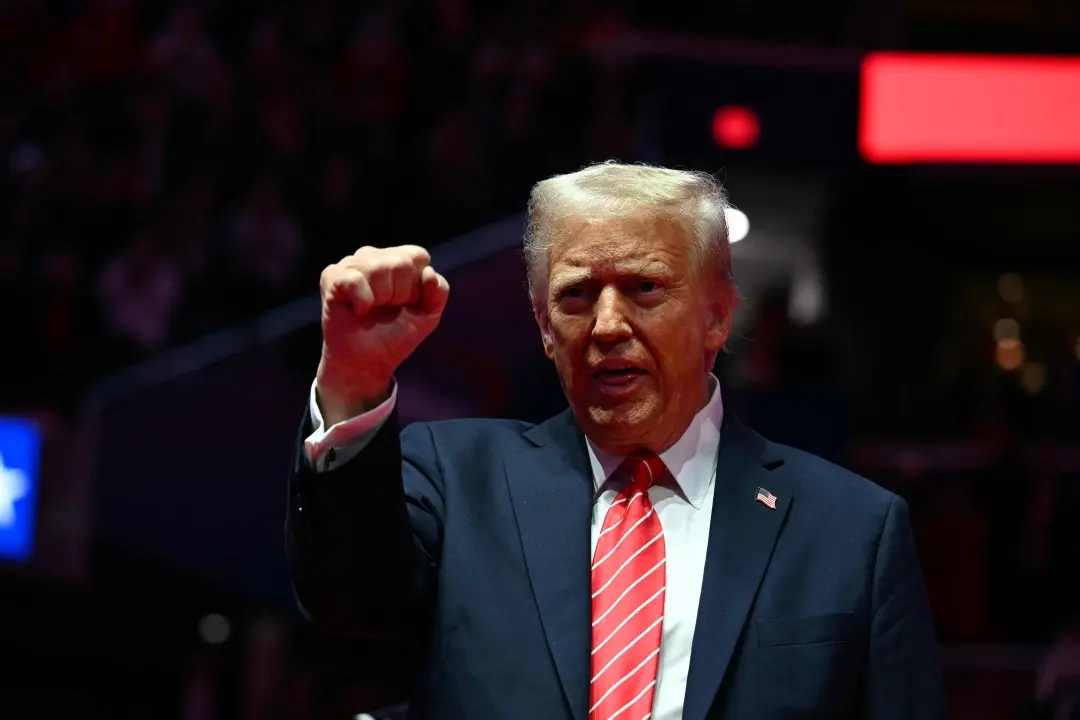
On his first day in office, President Donald Trump introduced strict new immigration and asylum policies, including a declaration to deploy troops to the US-Mexico border. In a controversial move, he also announced his intent to end birthright citizenship, a practice enshrined in American law for over a century.
Birthright citizenship grants automatic US citizenship to anyone born on American soil, regardless of their parents' immigration status. Trump’s efforts to overturn this long-standing provision are expected to face significant legal challenges.
Trump used his inaugural Oval Office press conference to declare a national emergency at the southern border. He signed an executive order aiming to revoke the automatic right to US citizenship for certain individuals born in the country.
The executive order states that children born in the US will only qualify for citizenship if at least one parent is a US citizen, a legal permanent resident (green card holder), or a member of the US military.
"The federal government will not recognize automatic birthright citizenship for children of illegal aliens born in the United States. We are also going to enhance vetting and screening of illegal aliens," a Trump official said during a briefing.
During his inauguration speech, Trump added, "All illegal entry will be immediately halted, and we will begin the process of returning millions and millions of illegal aliens back to the places from which they came."
What is Birthright Citizenship?
Birthright citizenship guarantees that anyone born on US soil automatically becomes a citizen, regardless of their parents' citizenship or immigration status. This right, rooted in the 14th Amendment of the US Constitution, was established in 1868 to ensure citizenship for all individuals born in the United States.
The relevant part of the 14th Amendment reads:
"All persons born or naturalised in the United States, and subject to the jurisdiction thereof, are citizens of the United States and of the State wherein they reside."
Details of the Executive Order
The executive order signed by Trump outlines the new restrictions:
- Citizenship will not be granted to individuals born in the United States if their mother was unlawfully present in the country and their father was not a US citizen or lawful permanent resident.
- Citizenship will also be denied if the mother’s presence in the US at the time of birth was lawful but temporary (e.g., under a student, tourist, or work visa), and the father was not a US citizen or lawful permanent resident.
All federal departments and agencies are required to issue guidance on the implementation of these new rules within 30 days of the executive order.
How does it affect Indians?
According to data from the US Census Bureau, over 5 million Indian Americans currently reside in the United States, and millions have been awaiting green cards for years, some for decades. The Trump administration’s actions could have far-reaching consequences, potentially affecting millions of undocumented immigrants, including approximately 725,000 Indians. With an estimated 11 to 14 million undocumented individuals in the US, Trump has painted a dire picture of an "invasion" of illegal immigrants and pledged to prioritize the removal of approximately 655,000 individuals with criminal charges or convictions, followed by those with deportation orders.
The removal of birthright citizenship, aimed at discouraging immigration, is expected to exacerbate the backlog in the immigration process. While logistical challenges make a full-scale roundup unlikely, targeted deportations and policy changes could still deeply impact families and communities across the nation.