Two passengers, one berth, full fare: Is Indian Railways preparing to end RAC tickets?
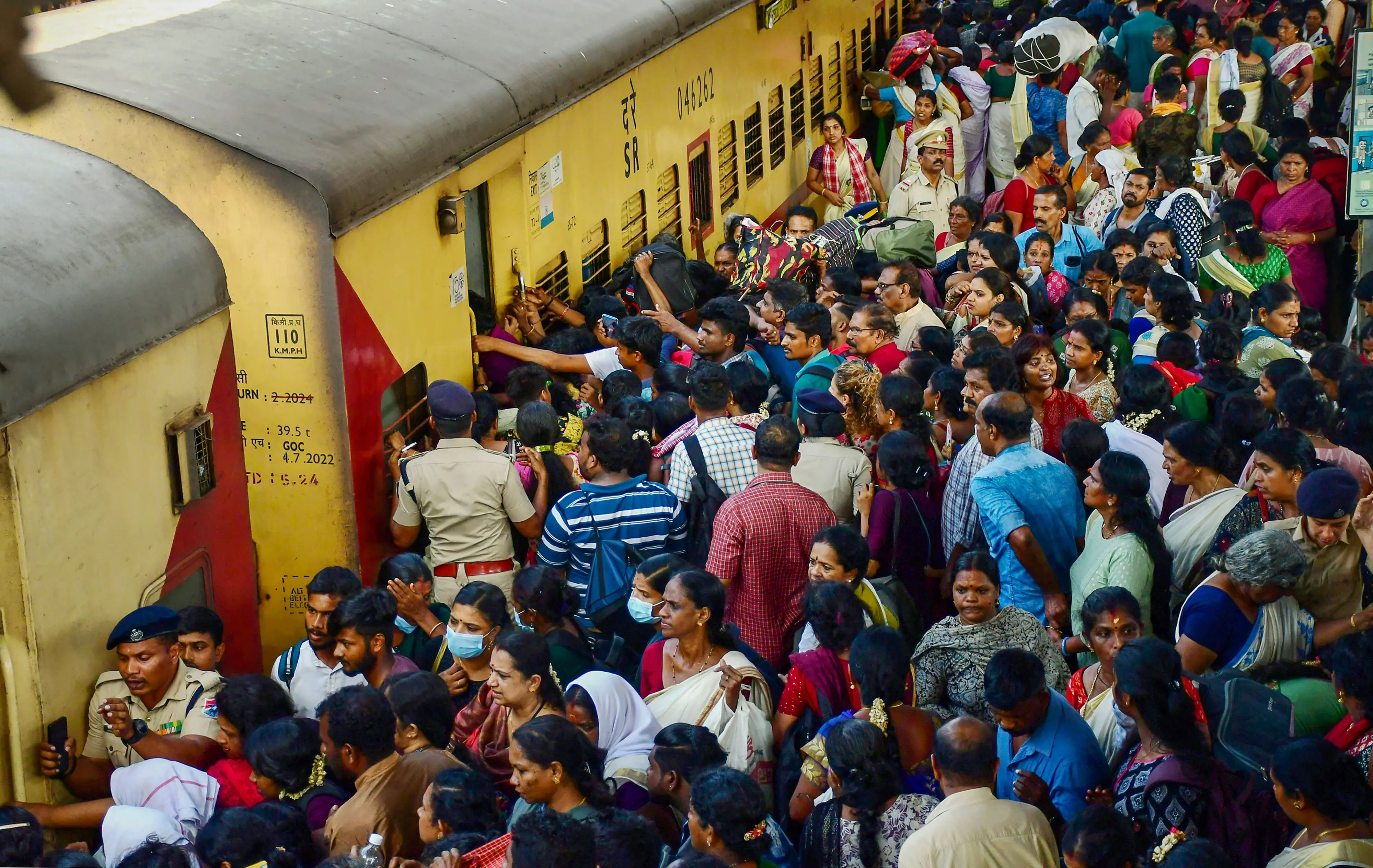
Mumbai: Indian Railways may consider doing away with the Reservation Against Cancellation (RAC) system following growing passenger complaints over two people having to share a single berth despite paying the full ticket fare. The system, which allows passengers to travel with a confirmed seat but not a full berth, has become a source of disputes, particularly during long-distance journeys.
The Reservation Against Cancellation (RAC) system on Indian trains could face a possible overhaul amid increasing complaints from passengers about having to share berths during their journeys.
Under the existing arrangement, two passengers holding RAC tickets are allotted one berth, generally a side-lower berth, which they must share. Both passengers pay the full ticket fare despite receiving only half the sleeping space.
Passengers have increasingly raised concerns about the arrangement, particularly on long-distance routes where sharing a single berth for several hours can become uncomfortable.
The primary demand among affected passengers is that every confirmed ticket should come with an individual berth. Some have also argued that if the Railways continues issuing RAC tickets, passengers should be charged only half the applicable fare.
How many RAC berths are available in different train coaches?
The number of RAC berths varies depending on the coach class and configuration.
Under the existing arrangement:
- Sleeper class: Seven side-lower berths are generally allocated to RAC passengers, allowing 14 passengers to share them.
- Third AC: Five berths are generally designated for RAC passengers.
- LHB coaches: Six RAC berths are provided in the relevant configuration.
- Second AC (2A): Three berths are usually allocated for RAC passengers, although the number can vary in LHB coaches.
The allocation means that passengers with RAC status can board the train, but they do not necessarily receive an individual sleeping berth.
Why RAC passengers face disputes during long journeys
The arrangement can become particularly difficult during overnight and long-distance journeys.
When two RAC passengers share a side-lower berth, they must manage limited seating and sleeping space. Disagreements can also arise between RAC passengers and the passenger holding the side-upper berth.
One common source of conflict is the use of the side-lower berth during designated sitting hours. Questions about who should occupy the available space and when the seat should be vacated can lead to arguments inside coaches.
While the arrangement may be manageable for shorter journeys, passengers say it becomes increasingly inconvenient on longer routes.
Vande Sleeper trains follow a different arrangement
Vande Sleeper trains follow a different reservation arrangement, with fully confirmed berths allocated to passengers rather than the conventional RAC system.
This has brought renewed attention to the possibility of changing the existing RAC arrangement across other train services.
However, there is no confirmed announcement in the supplied report that Indian Railways has decided to abolish RAC tickets.
What do passengers want?
Passengers have raised two principal demands:
- Every passenger with a confirmed reservation should receive an individual berth.
- If two passengers continue to share one berth under the RAC system, the ticket fare should be reduced accordingly.
- The debate highlights the balance Indian Railways must maintain between accommodating more passengers and ensuring comfortable travel conditions.
- For now, the possibility of scrapping RAC remains under consideration, and passengers will have to wait for an official decision on any proposed changes.
Would scrapping RAC make train travel more comfortable?
RAC was introduced as a way to accommodate additional passengers while ensuring that they can travel even when full berths are unavailable.
However, the system creates a distinction between having a confirmed right to travel and having a confirmed sleeping berth.
1. Confirmed ticket does not always mean a full berth
RAC passengers can board the train, but two passengers may have to share one side-lower berth. This is particularly inconvenient for overnight journeys.
2. The fare question is central to the controversy
Passengers argue that paying the full fare for half a berth is unfair. However, RAC tickets also guarantee travel and a designated seat, unlike waitlisted tickets that may not permit boarding in reserved coaches.
3. Removing RAC could affect reservation availability
If RAC berths are eliminated, the Railways would need to decide whether to reduce the number of passengers accommodated in reserved coaches or introduce another arrangement for passengers awaiting cancellations.
This could affect ticket availability, particularly on heavily booked routes.
4. The key question is what alternative the Railways would offer
Simply abolishing RAC may not resolve the wider problem of high demand for reserved train accommodation. Any replacement system would need to balance passenger comfort, affordability and access to confirmed travel.
The larger question is whether Indian Railways will prioritise individual berth allocation or retain RAC as a way to accommodate more passengers.