Indian Railways to begin trials for first hydrogen train in December
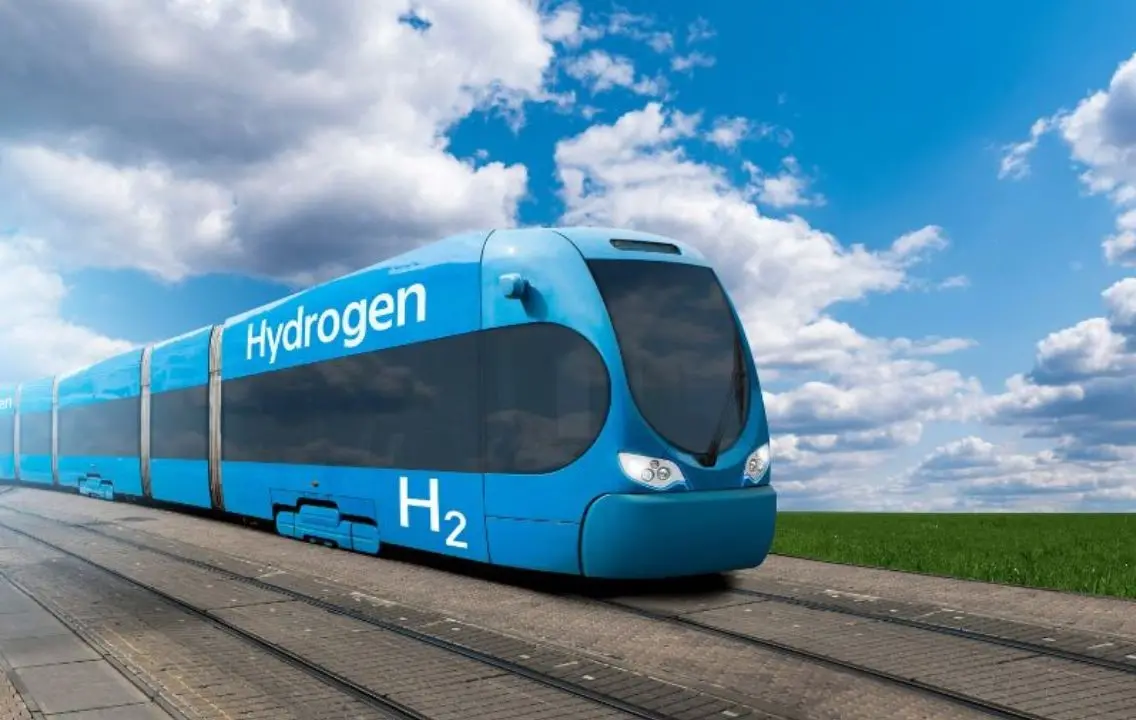
In a historic move towards sustainable transportation, India will launch its first hydrogen-powered train on a trial run this December, advancing Indian Railways’ ambition to eliminate emissions and reduce noise pollution. The train, which operates without diesel or electricity, is expected to become fully operational early next year, aligning with Indian Railways' goal to achieve net-zero carbon emissions by 2030.
The trial run will cover the Jind-Sonipat route in Haryana, spanning 90 kilometers, with the train reaching speeds up to 140 km/h. Manufactured by the Integral Coach Factory in Perambur, the hydrogen train marks a significant innovation in Indian Railways’ green initiatives. If trials succeed, Indian Railways plans to produce 35 more hydrogen-powered trains and expand services to other routes nationwide by 2025.
This new train uses hydrogen fuel cells that combine hydrogen with oxygen to generate electricity, powering its motors. The byproducts of this chemical reaction are only water and steam, resulting in zero emissions and a cleaner, quieter operation than diesel engines. Each fuel tank can carry enough hydrogen to power the train for up to 1,000 kilometers before refueling, making it feasible for extended routes. Countries such as Germany, Sweden, and China already have hydrogen-powered trains, setting a precedent that India is now following.
A 40,000-liter water tank, installed on top of the engine, supplies the hydrogen production system. As hydrogen is generated, it is combined with oxygen from the atmosphere to create the electricity needed to run the train, while a lithium battery stores any surplus energy. This eco-friendly approach significantly reduces air pollution and noise, producing 60% less sound than conventional diesel engines. Indian Railways will construct dedicated water storage facilities to support the train's operation, as about 40,000 liters of water per hour is needed to sustain the chemical processes.
Hydrogen-powered trains represent a cornerstone in Indian Railways' efforts to cut its carbon footprint. The trains eliminate harmful emissions such as carbon dioxide, nitrogen oxides, and particulate matter, reducing the adverse impact on air quality. In addition to environmental benefits, they provide a quieter, more efficient journey without sacrificing passenger capacity or speed.