Where is the proof? Indian envoy challenges Canada on Nijjar allegations
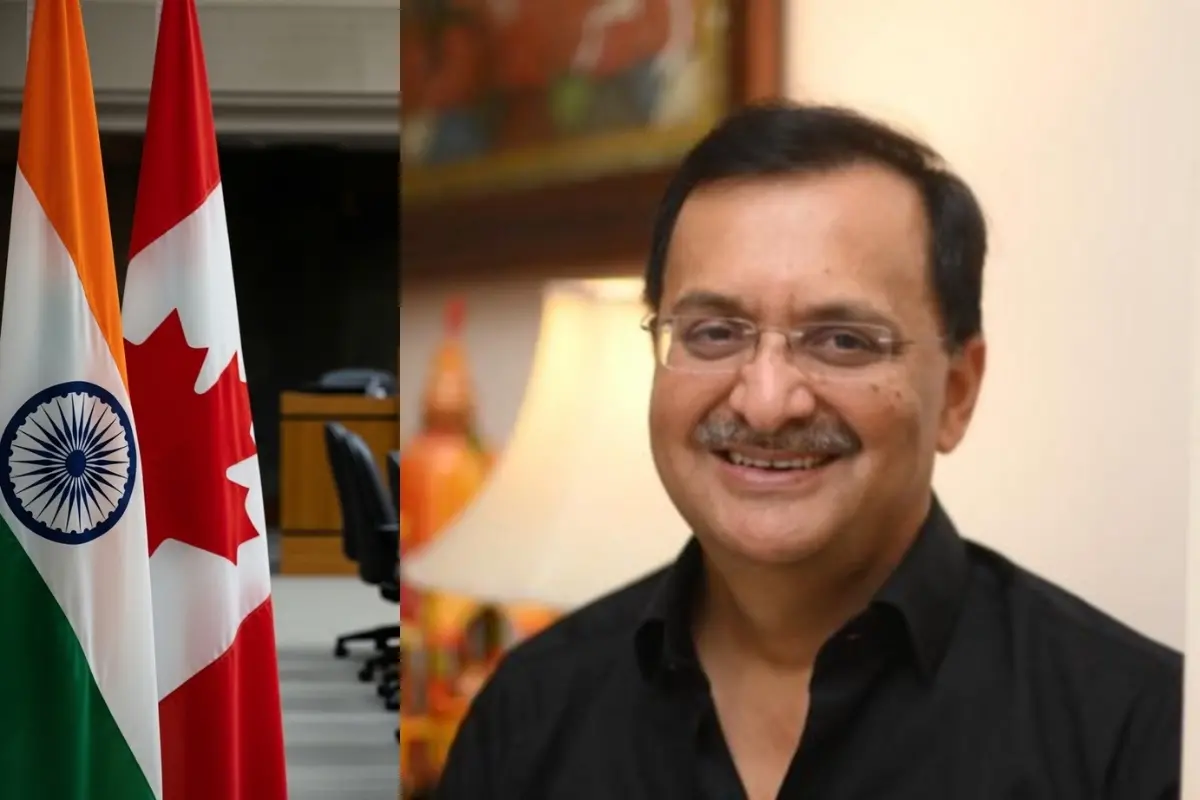
New Delhi: Indian High Commissioner to Canada Dinesh K Patnaik has dismissed allegations made by Canadian authorities linking India to the killing of Sikh separatist leader Hardeep Singh Nijjar, asserting that no evidence has been provided to support claims against the Indian government.
In an interview with CBC News, Patnaik said the ongoing legal case related to Nijjar’s death in Surrey, British Columbia, clearly names four individuals and does not implicate the government of India. He stressed that New Delhi has consistently asked Ottawa to share concrete evidence if it expects India to take any action.
Patnaik questioned Canada’s handling of terrorism-related cases, citing the 1985 Air India bombing investigation, which he said has not resulted in a single conviction despite decades of discussions between the two countries on extremism operating from Canadian soil.
The envoy reiterated that India has rejected former Canadian prime minister Justin Trudeau’s 2023 allegations of possible Indian involvement in Nijjar’s killing as “absurd” and “motivated”, adding that accusations without proof cannot be accepted.
He said India remains open to cooperation and has never ruled out action if credible evidence is presented, even if individuals linked to the Indian government are found to be involved. However, he emphasised that Canada has so far shared only information, not evidence.
Patnaik also pointed out instances where intelligence inputs provided by India to Canadian authorities in the past were allegedly not acted upon, only to later prove accurate. He argued that the same standards of evidence should apply to accusations made against India.
India–Canada ties deteriorated sharply after Trudeau’s remarks in September 2023 but have shown signs of improvement recently, including a trade visit to India by British Columbia Premier David Eby. Despite this, Patnaik underlined that restoring full trust would depend on transparency and evidence-based engagement from the Canadian side.
(With PTI inputs)