UPI at 23.2 billion transactions: How India became the world's digital payments powerhouse
A record 23.20 billion UPI transactions in May is more than just another milestone—it is the latest sign of India's transformation into the world's leading digital payments market, powered by a home-grown platform that has reshaped how millions pay, transfer and transact every day.
India's Unified Payments Interface (UPI) reached a new milestone in May 2026, processing a record 23.20 billion transactions worth ₹29.90 lakh crore, according to data released by the National Payments Corporation of India (NPCI).
The figures represent a 24 per cent increase in transaction volume and a 19 per cent rise in transaction value compared with the same month last year. On average, Indians carried out nearly 748 million UPI transactions every day during May, with daily transaction values approaching ₹96,465 crore.
While the numbers are impressive, they tell a much bigger story—one of how India emerged as a global leader in digital payments within a decade.
From a little-known platform to a national habit
When UPI was launched in 2016, digital payments in India were still in their early stages. Cash remained the preferred mode of payment for most transactions, and online transfers often involved lengthy processes.
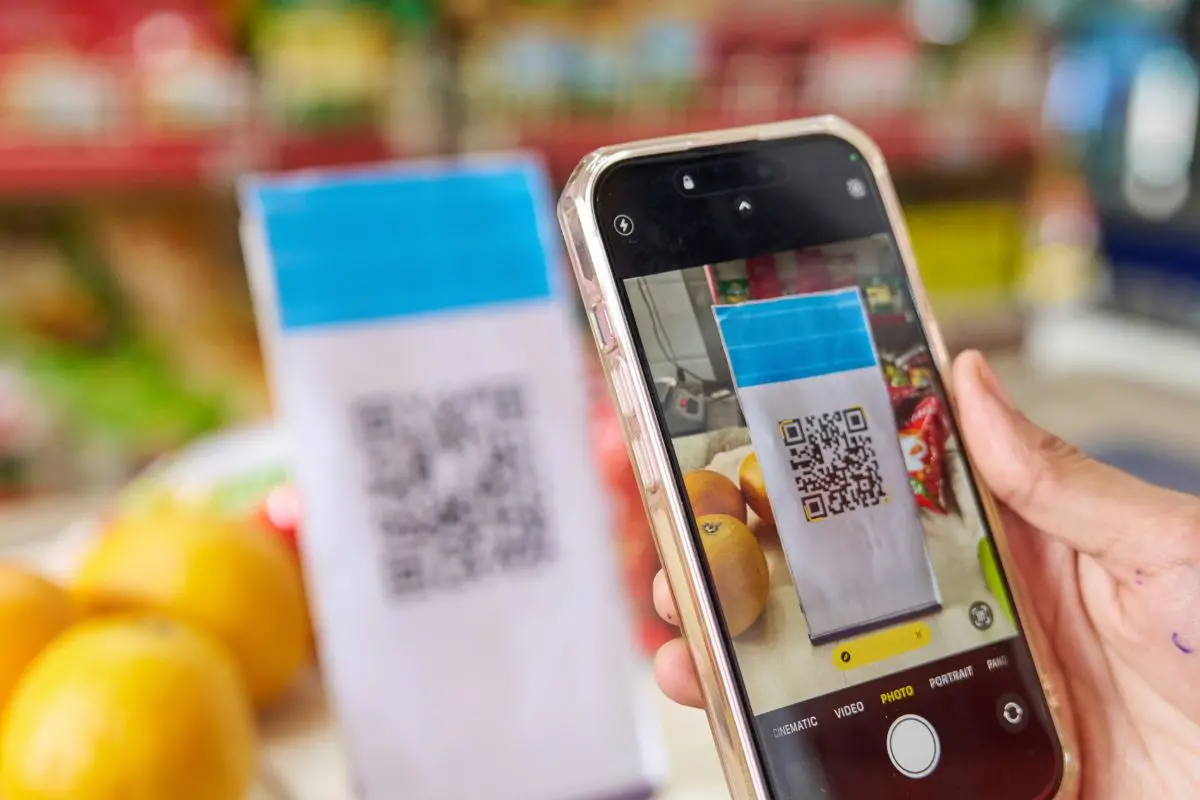
Today, scanning a QR code has become second nature for millions of Indians. Whether buying vegetables from a roadside vendor, paying utility bills, booking tickets or transferring money to friends and family, UPI has become deeply integrated into everyday life.
The platform processed just 2 crore transactions in FY2016-17. By FY2025-26, that number had crossed 24,162 crore transactions, reflecting one of the fastest technology adoption stories in the world.
Why UPI succeeded where others struggled
Several factors helped fuel UPI's rapid rise.
Unlike many digital payment systems globally, UPI was designed to be simple, free for most users and accessible across multiple banking platforms. Users could transfer money instantly using mobile numbers, QR codes or virtual payment addresses without needing bank account details each time.
The widespread availability of affordable smartphones, low-cost internet access and increasing digital literacy further accelerated adoption. The COVID-19 pandemic also encouraged contactless payments, helping digital transactions become a daily necessity for many consumers and businesses.
Government initiatives promoting Digital India and financial inclusion added further momentum to the ecosystem.
The backbone of India's digital economy
Today, UPI accounts for approximately 85 per cent of all digital transactions in India and facilitates nearly half of the world's real-time digital payments.
The platform has become a critical part of India's financial infrastructure, enabling instant transactions across banks, businesses and consumers around the clock.
For small businesses and street vendors, UPI has reduced dependence on cash and made accepting payments easier than ever. For consumers, it has simplified transactions while improving convenience and transparency.
India's payment innovation goes global
UPI's success is now attracting international attention. The platform has expanded beyond India and is operational in several countries, including the United Arab Emirates, Singapore, Sri Lanka, France and Qatar.
The international rollout allows travellers and businesses to make payments more easily while showcasing India's digital public infrastructure model to the world.
Many countries are studying India's approach to real-time payments, viewing UPI as a potential blueprint for building efficient and inclusive digital payment systems.
The major players behind the growth
The UPI ecosystem is dominated by a handful of major apps that have helped popularise digital payments across the country.
PhonePe currently leads with around 48 per cent market share, while Google Pay accounts for roughly 35 per cent. Together, these platforms process the majority of UPI transactions, although several other apps continue to compete for users.
Their user-friendly interfaces, cashback incentives and extensive merchant networks have played a significant role in driving adoption.
Yet cash isn't disappearing
Interestingly, the rise of UPI has not led to the disappearance of cash. Data shows that currency in circulation grew by 11.4 per cent during FY2025-26.
This suggests that digital payments and cash are not necessarily competing against each other. Instead, consumers appear to be using multiple payment methods depending on the situation. While UPI dominates many day-to-day transactions, cash remains important in several sectors and regions.
What comes next for UPI?
As transaction volumes continue to grow, experts expect UPI to play an even bigger role in India's digital economy. International expansion, new payment features, deeper integration with businesses and continued financial inclusion efforts could further strengthen the platform's position.
With 23.20 billion transactions in a single month, UPI is no longer just a payment system. It has become one of the defining success stories of India's digital transformation and a model that is increasingly drawing global attention.