India stands its ground against International Court Order on Indus Waters Treaty
India has chosen not to engage with the Court of Arbitration (CoA) in The Hague regarding the Indus Waters Treaty (IWT), even as the tribunal proceeds with hearings and document requests. The latest issue involves an order issued last week by the CoA, requesting India to submit operational "pondage logbooks" from its hydroelectric plants as part of the “Second Phase on the Merits.” The CoA has scheduled hearings on February 2-3 at the Peace Palace in The Hague, noting that India has neither filed a counter-memorial nor indicated participation.
A government source was quoted by NDTV as saying, "The so-called CoA, which has been set up illegally, continues to conduct parallel proceedings alongside the neutral expert. Since we do not recognise its legitimacy, we do not respond to any of its communications. Moreover, with the Indus Waters Treaty currently in abeyance, India is not obligated to engage. Pakistan is using this as a tactic to try and involve us and create the impression that we are still participating.”
The current standoff follows India’s unprecedented decision on April 23, 2025, to place the Indus Waters Treaty in abeyance. This move came a day after the Pahalgam terror attack, in which 26 civilians were killed by Pakistan-linked terrorists. India linked its water cooperation explicitly to Pakistan’s actions, marking a shift in policy: cooperation cannot continue amid continued hostility.
Pakistan, whose agriculture relies heavily on the Indus River system, has reacted strongly, summoning diplomats, sending delegations abroad, filing multiple legal actions, and hosting international conferences, all to pressure India. The country’s water storage is critically low, with key reservoirs like Tarbela and Mangla near dead capacity, turning what was once a technical treaty issue into a strategic vulnerability.
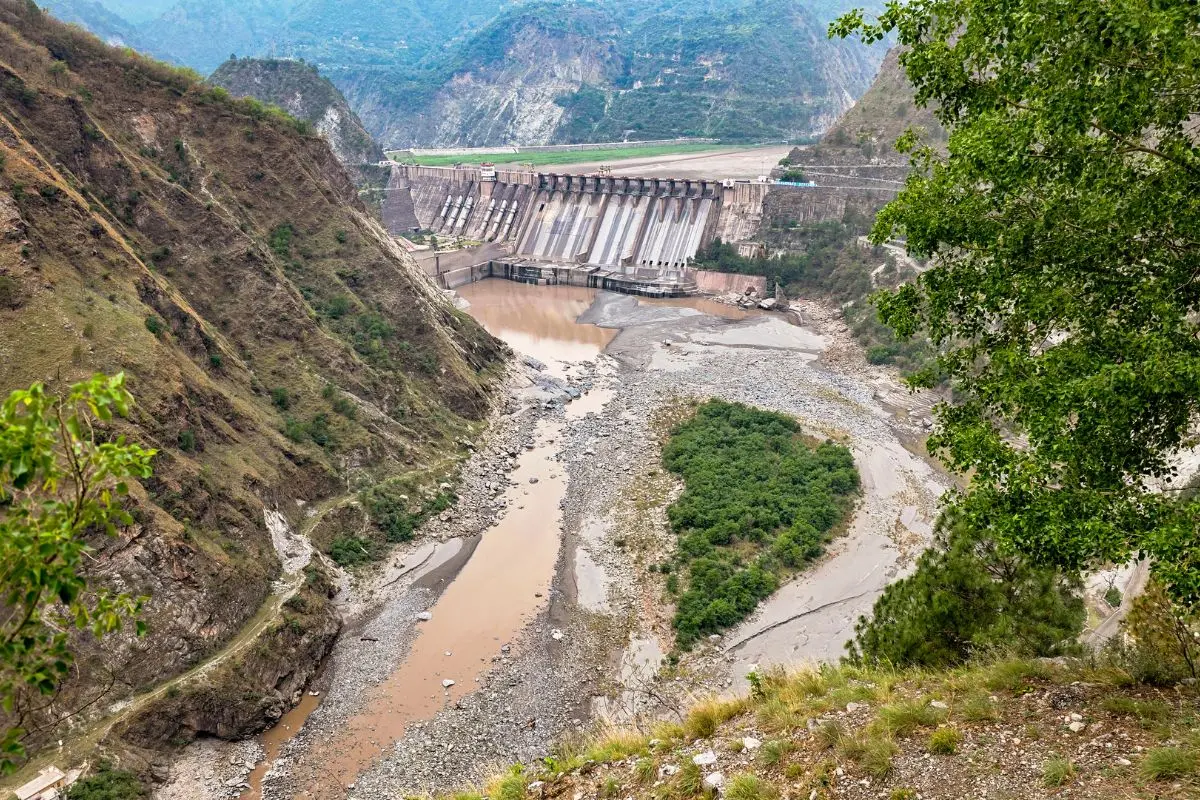
Despite India’s stance, the Hague court is moving ahead as if the treaty remains fully operational. On January 24, 2026, it scheduled hearings and, at Pakistan’s request, demanded India provide internal operational logbooks from Baglihar and Kishanganga hydroelectric projects. The court warned that failure to comply could lead to adverse inferences. India, however, maintains that these disputes fall under the neutral expert’s domain, calling Pakistan’s approach “forum shopping.”
The broader dispute underscores the strategic dimension of the issue. India views its disengagement from the CoA as a calculated diplomatic move, signalling that treaties cannot operate in isolation from ground realities. For Pakistan, the internationalisation of the IWT is a critical survival strategy, but without India’s participation, the CoA proceedings risk becoming a one-sided record rather than a binding resolution. (With inputs from Agencies)