Middle East airspace disruption: How India is responding to rising tensions
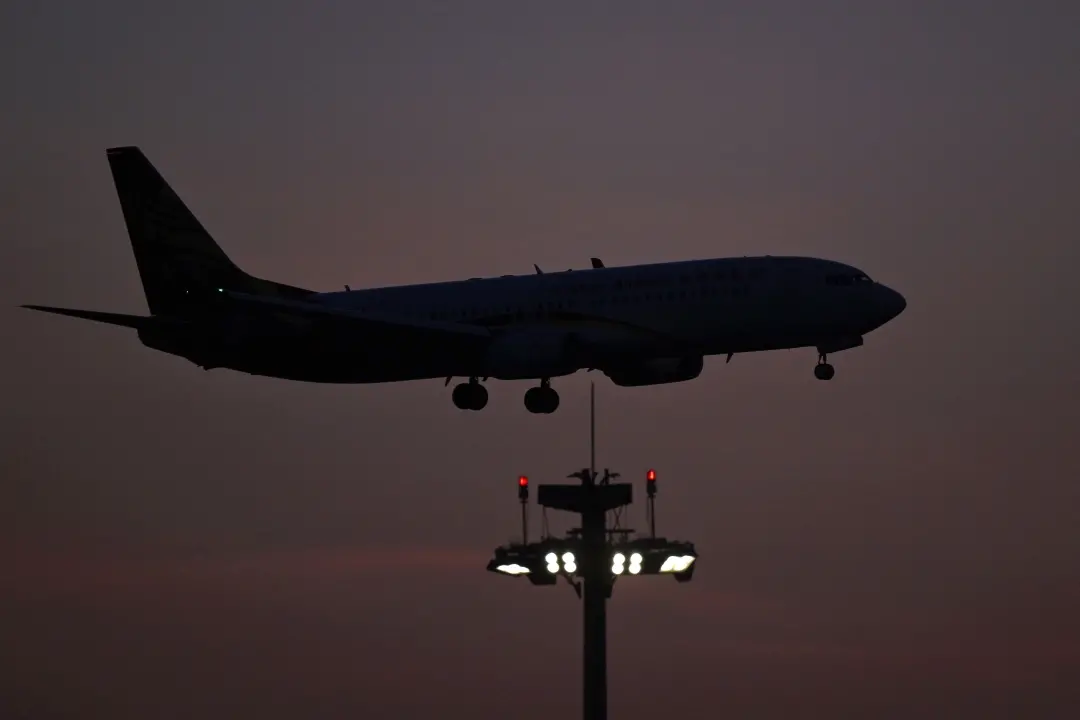
New Delhi: India is closely monitoring the evolving airspace situation across parts of the Middle East following the recent US-Israel strikes on Iran, with aviation authorities taking coordinated steps to minimise disruption to international flight operations.
According to the Ministry of Civil Aviation, Indian carriers have made calibrated adjustments to their schedules, with long-haul and ultra-long-haul flights progressively resuming via alternative routings that avoid restricted airspace. The move comes amid heightened security risks in the region.
Aircraft and crew repositioning measures are currently underway to restore operational stability at the earliest. Authorities said passenger safety remains the top priority as the Middle East conflict continues to impact aviation corridors.
Special relief flights for stranded passengers
Airlines are deploying additional capacity where required and are working closely with foreign aviation regulators and Indian missions abroad to ensure safe and orderly movement of passengers.
IndiGo has scheduled 10 special relief flights from Jeddah to India on March 3 to facilitate the return of stranded passengers, subject to necessary approvals and prevailing airspace conditions. The airline is coordinating with the Consulate General of India at Jeddah to streamline passenger facilitation.
Foreign carriers operating between India and Gulf destinations are also conducting limited services, depending on operational feasibility and regional airspace restrictions, an official release said on Monday.
Passengers have been advised to check real-time flight status updates directly with their airlines before proceeding to airports and to rely only on official communication channels. Airlines have also been directed to maintain transparent communication regarding refunds, rescheduling, and passenger assistance in compliance with regulatory norms.
Also Read| First Gulf flight lands in Bengaluru as Dubai airports partially reopen
High-level review meeting
The situation was reviewed in a high-level meeting chaired by Civil Aviation Minister Rammohan Naidu, with Civil Aviation Secretary Samir Kumar Sinha and senior officials in attendance.
The Ministry said it remains in continuous coordination with airlines, airport operators, regulatory bodies and the Ministry of External Affairs to ensure safe operations and the orderly restoration of international services.
Background: Escalating Middle East conflict
The aviation disruption follows coordinated US and Israeli airstrikes across multiple Iranian cities on February 28, targeting military command centres, air-defence systems and missile infrastructure. The strikes reportedly resulted in the death of Iranian Supreme Leader Ayatollah Khamenei, with large explosions reported in Tehran and other key locations across Iran.
In retaliation, Iran launched ballistic missiles and drones targeting US assets and allies in the region, including Israel, Bahrain, Kuwait, Qatar, Saudi Arabia, the United Arab Emirates and Jordan, significantly escalating tensions in West Asia and increasing risks to civilian and expatriate populations.
ANI