India weighs prescription-only rule for cough syrups after child deaths
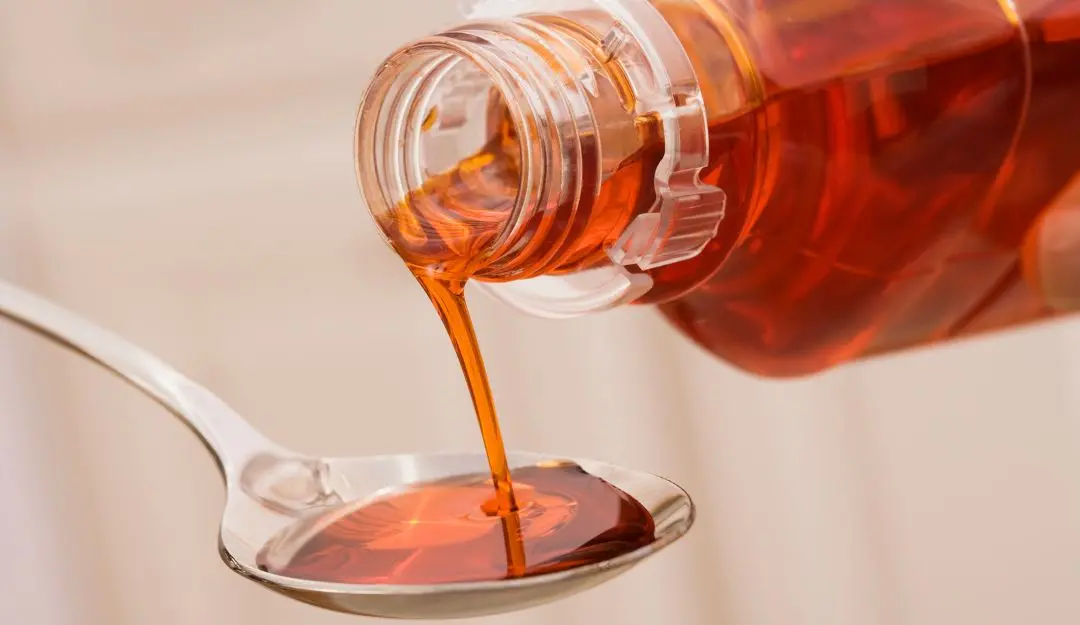
New Delhi: The Indian government is considering a tightening of drug-sale regulations following a series of child deaths linked to contaminated cough syrups in recent months. Under a proposal now before the Drugs Consultative Committee (DCC), cough syrups may soon be removed from the list of medicines that can be sold freely without a licence, effectively making them available only on prescription.
As per a News18 report, the DCC has been asked to examine whether cough syrups should be taken out of Schedule K, a category reserved for low-risk, everyday medical products that can be sold even in remote areas without the need for a fully licensed pharmacy. The agenda paper refers to the recent cases in which children suffered poisoning and acute kidney failure after consuming syrups found to be containing diethylene glycol, an industrial chemical used in paints, inks, and brake fluids.
At present, Schedule K covers a wide range of items deemed safe for routine use, including syrups, lozenges, pills and tablets for coughs, as well as first-aid essentials such as liniments, bandages, absorbent cotton, adhesive plasters, tincture of iodine and tincture of benzoin. These products are exempt from licensing requirements provided they are sold in their original manufacturer-sealed packaging. Notably, the document refers only to the status of “syrups”, leaving other cough remedies such as lozenges and pills untouched for now.
Schedule K also includes common over-the-counter medicines such as aspirin and paracetamol tablets, analgesic balms, antacid preparations, gripe water for infants, and inhalers used to treat colds and nasal congestion.
If approved, the proposed change would mark a major shift in access to one of the country’s most widely used remedies, reflecting growing concern over the safety and quality of cough syrups sold across India.
The Coldrif tragedy
Earllier this year, at least 24 children, most of them under five, died in Madhya Pradesh after allegedly being given contaminated cough syrup, while three further deaths were recorded in neighbouring Rajasthan.
The children initially presented with fever and colds, but their conditions rapidly deteriorated as severe kidney complications developed. Despite receiving intensive care, none of the affected children survived.
The incident prompted the World Health Organization (WHO) to issue a global alert concerning three substandard cough syrups manufactured in India: Coldrif, Respifresh TR and ReLife.
An inquiry by authorities in Tamil Nadu and Madhya Pradesh subsequently found that Coldrif samples were “not of standard quality” and were severely contaminated.
In the aftermath, several states, including Tamil Nadu, Madhya Pradesh, Kerala, Karnataka, Punjab, Himachal Pradesh, Uttar Pradesh, Puducherry, West Bengal and Delhi, imposed bans on the sale of Coldrif syrup.