Solar power dominance: India achieves over half its energy from clean sources
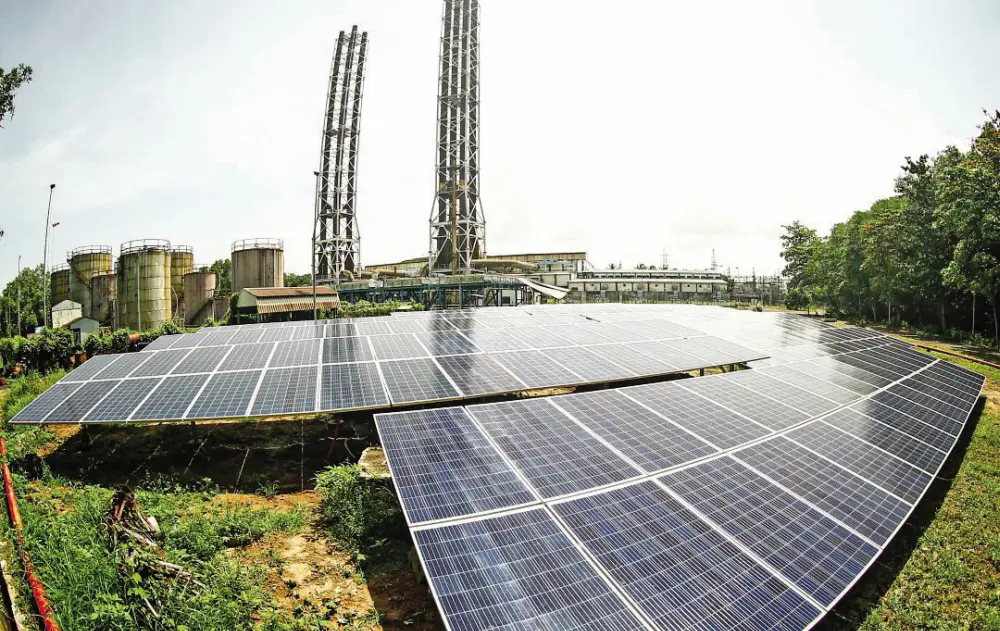
New Delhi: India’s solar capacity has reached 129 gigawatts (GW), while the country’s non-fossil electricity capacity has crossed 259 GW, accounting for more than 50 per cent of the nation’s total installed power capacity as of October 2025, according to official data released on Tuesday. The milestone marks a significant transition towards low-carbon energy.
The solar sector has witnessed dramatic growth over the past decade, rising from just 3 GW in 2014 to 129.92 GW by October 2025, an increase of more than fortyfold. With this, solar has become the single largest component of India’s renewable energy portfolio, overtaking wind, hydro and biomass.
The surge in solar projects has pushed the renewable share of the overall power mix steadily upward. Officials attribute this expansion not only to market demand but also to a strong policy and regulatory framework that has prioritised clean energy.
India’s national targets and climate commitments under the Panchamrit Declaration announced at COP26 in Glasgow in 2021 form the backbone of this strategy. The five-point framework includes achieving 500 GW of non-fossil fuel-based electricity capacity by 2030, securing a 50 per cent share of installed capacity from non-fossil sources by 2030, reducing projected carbon emissions by 1 billion tonnes by 2030, lowering carbon intensity by 45 per cent by 2030, and reaching net-zero emissions by 2070.
Multiple large-scale government programmes are being implemented to accelerate progress toward these goals. The PM Surya Ghar scheme is a major pillar of the country’s net-zero roadmap. Approved by the Cabinet on February 13, 2024, with a total outlay of ₹75,021 crore, the initiative aims to equip one crore households with rooftop solar systems and provide up to 300 units of free electricity every month.
The National Solar Mission, launched in January 2010, continues to play a central role in expanding solar deployment nationwide. The Production-Linked Incentive (PLI) scheme for solar PV modules, with an outlay of ₹24,000 crore, is supporting domestic manufacturing of high-efficiency solar equipment and reducing reliance on imports.
IANS