Indira Gandhi's rejection of Kahuta strike was a 'shame,' says ex-CIA officer Barlow | WATCH
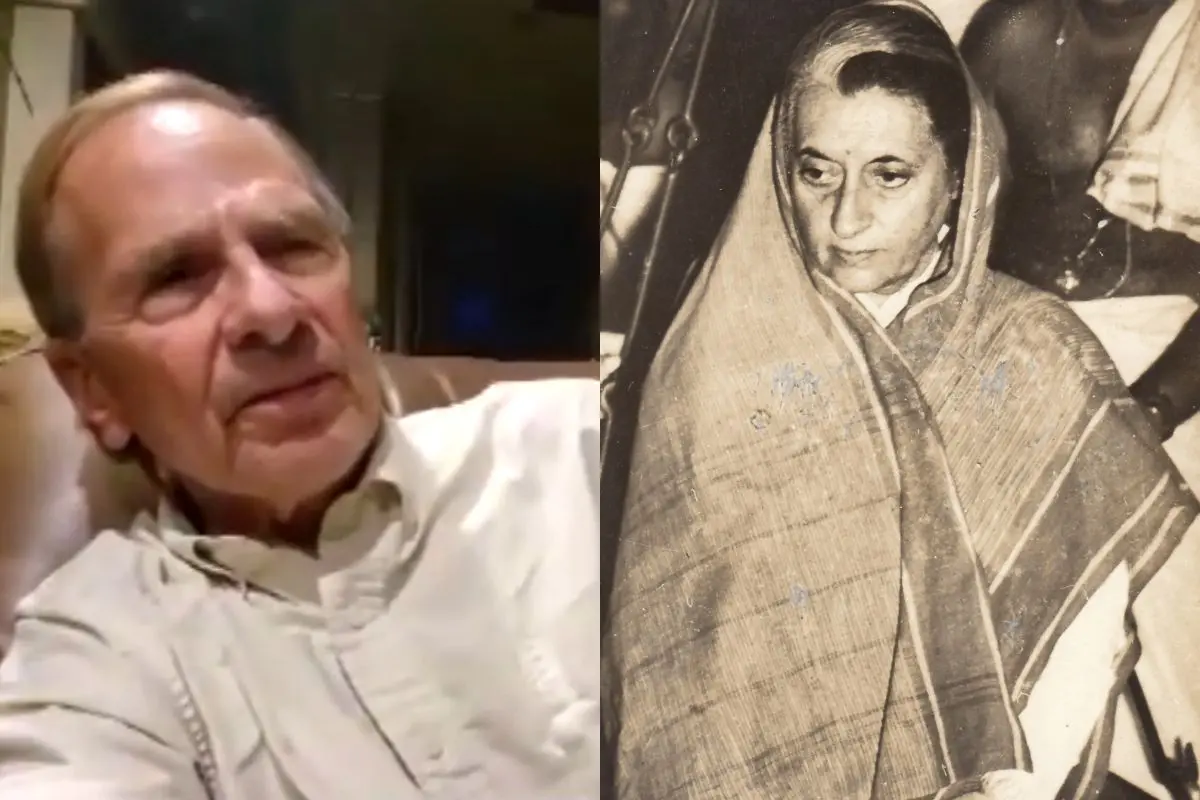
Washington: Former CIA officer Richard Barlow has revealed that a proposed joint covert operation by India and Israel in the early 1980s to destroy Pakistan's Kahuta nuclear facility could have "solved a lot of problems" had it been approved. In an interview with ANI, Barlow described the Indian government’s refusal to greenlight the mission as a "shame."
Barlow, who served as a counterproliferation officer in the CIA during Pakistan’s clandestine nuclear buildup, said he had heard about the planned strike during his intelligence career but was not involved, as he was out of government service between 1982 and 1985.
Reports and declassified accounts indicate that India and Israel had allegedly planned a preemptive attack on Kahuta, Pakistan’s uranium enrichment plant, to halt its nuclear weapons programme and prevent proliferation, particularly to countries like Iran. However, the plan never materialised, reportedly due to the reluctance of then Indian Prime Minister Indira Gandhi and concerns over potential geopolitical fallout.
Barlow noted that the US administration under President Ronald Reagan would have likely opposed any such strike, especially one involving Israel, as it risked jeopardising Washington’s covert operations against the Soviet Union in Afghanistan.
He said Pakistan had leveraged America’s dependence on its cooperation in the Afghan conflict to shield its nuclear programme. Barlow cited comments by Munir Ahmad Khan, the then head of the Pakistan Atomic Energy Commission, who warned US lawmakers such as Congressman Stephen Solarz that any disruption in aid to Pakistan could affect US support for the Afghan Mujahideen.
Referring to Israel’s then Prime Minister Menachem Begin, Barlow remarked that Reagan would have forcefully resisted any unilateral attack on Kahuta. The facility, established under nuclear scientist AQ Khan, later became the core of Pakistan’s nuclear weapons programme, which culminated in the country’s first atomic tests in 1998.
With inputs from ANI