India is curbing solar output — here’s why it is happening and what it implies
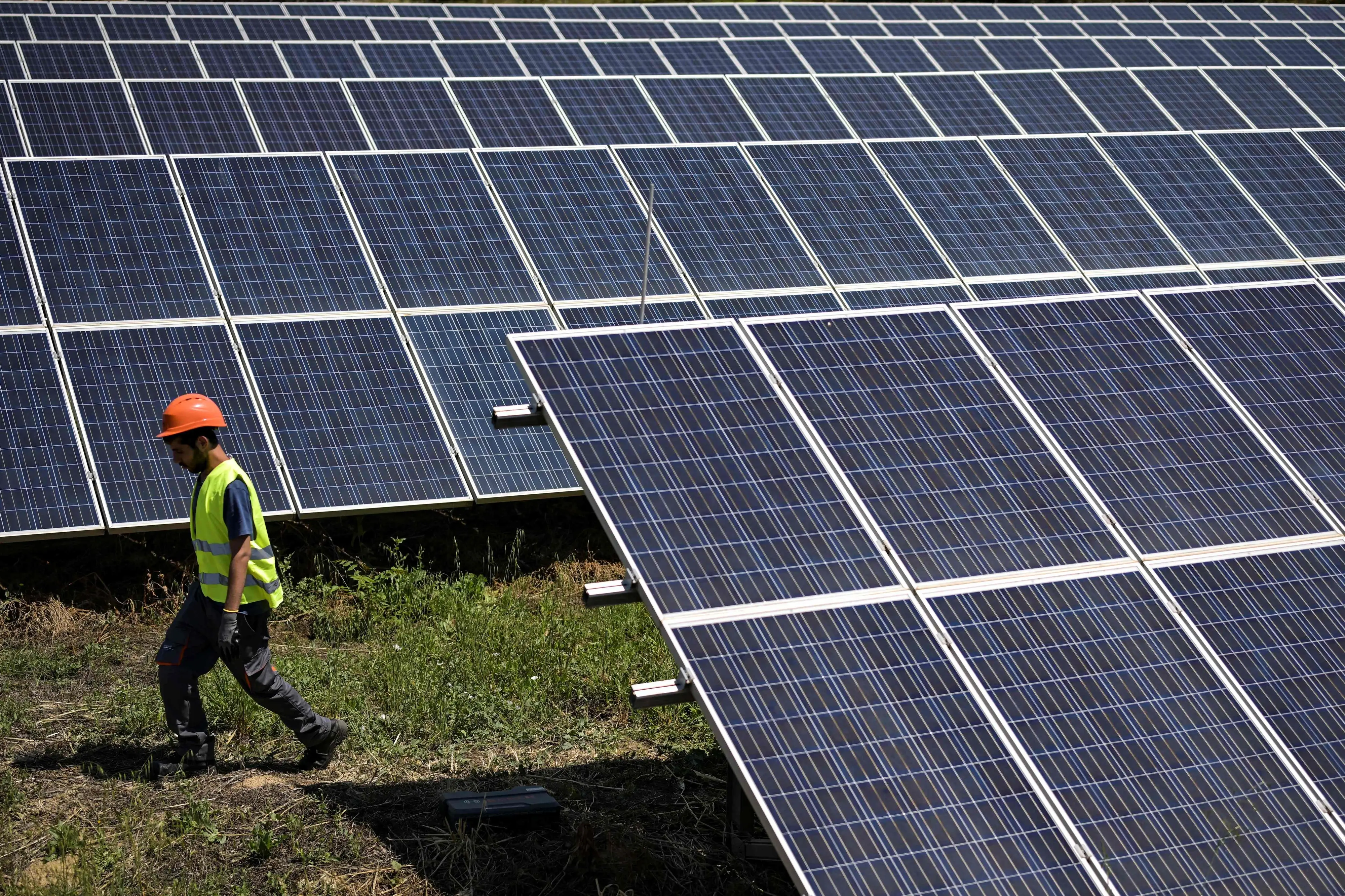
India is reducing solar output during periods of low demand to maintain grid stability and ease pressure on congested transmission lines, according to a Reuters report citing the Ministry of New and Renewable Energy (MNRE). The ministry confirmed that some plants had come online ahead of schedule, while transmission projects faced delays, worsening bottlenecks.
Losses for developers
The National Solar Energy Federation of India (NSEFI), representing companies such as Adani, Tata, Amazon, SHV and Gentari, highlighted that curtailments in Rajasthan have been severe. Reuters reported producers losing over $26 million since April, with output reduced by as much as 48 per cent during peak hours. Down To Earth noted that about 3–4 gigawatts of capacity had been curtailed since March, resulting in losses of up to Rs 250 crore.
Delays in transmission
NSEFI said projects in Rajasthan had already been deferred by nearly 20 months due to infrastructure delays, but even those ready for commissioning remain stuck. Critical transmission projects such as the Khetri-Narela and Bhadla II-Sikar II lines are facing up to two years of delay, according to the federation’s letter to MNRE.
Impact beyond Rajasthan
While Rajasthan is worst affected, Reuters reported that Tamil Nadu, Gujarat and Maharashtra have also seen output reductions. Tamil Nadu’s Renewable Energy Producers Association found solar output 10 per cent lower than expected during April–June, though the state energy department described curtailment as a last-resort measure.
Investor confidence at risk
Down To Earth cited NSEFI’s call for urgent government action, including fast-tracking transmission projects, compensation mechanisms, and battery storage deployment. Experts, such as those at the Centre for Science and Environment, warned that without upgraded infrastructure, India’s target of 280 GW solar capacity by 2030 could face serious risks.