India joins elite hypersonic club: DRDO successfully tests long-duration scramjet engine
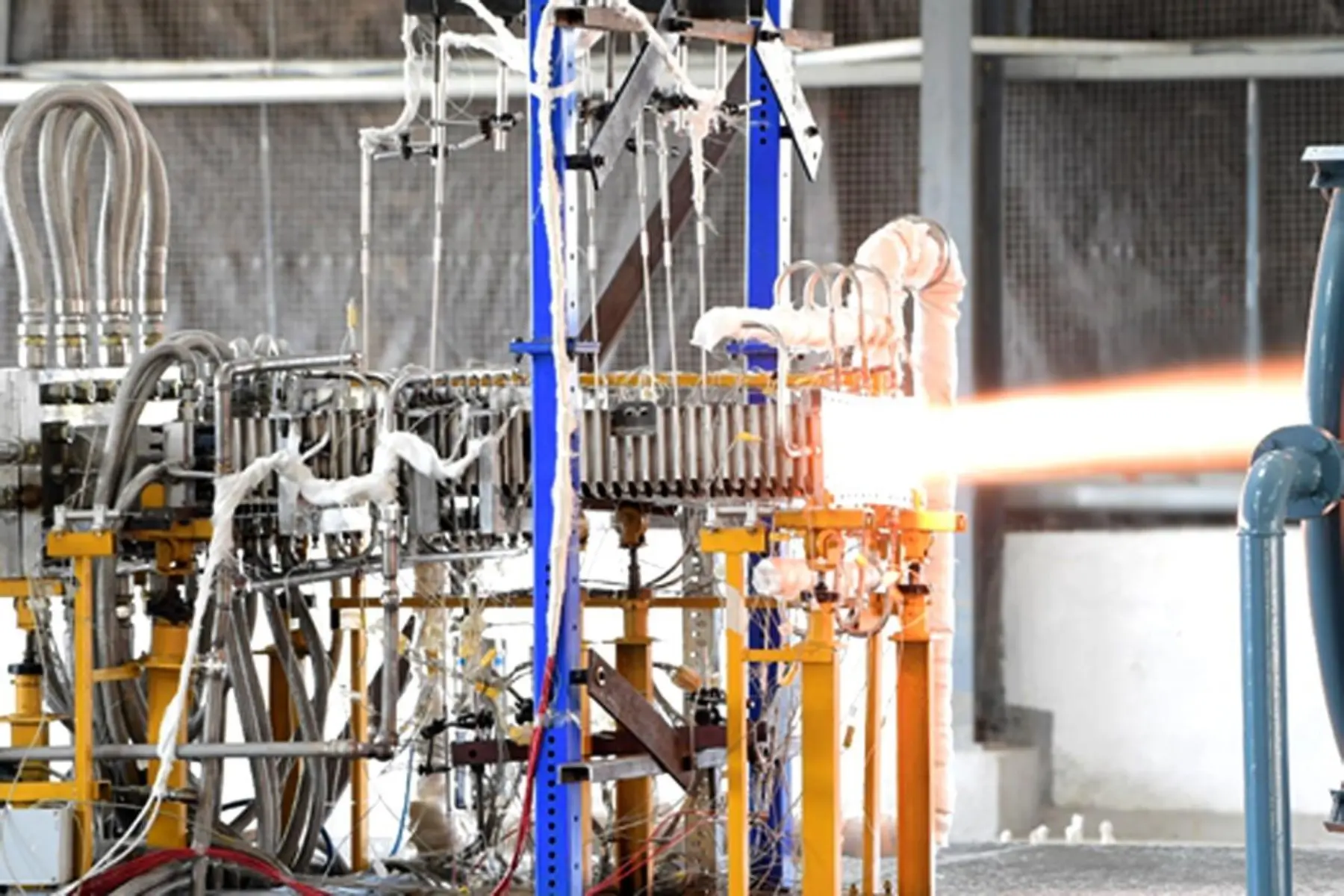
New Delhi: India’s defence establishment on Friday announced a major breakthrough in the race for hypersonic weapon dominance, marking a successful 12-minute endurance test of an advanced scramjet engine.
The Defense Research & Development Laboratory (DRDL), a Hyderabad-based wing of the state-run Defense Research and Development Organisation (DRDO), conducted the extensive ground trial of its "Actively Cooled Scramjet Full Scale Combustor" on Jan. 9. The engine was operated for more than 720 seconds at the Scramjet Connect Pipe Test (SCPT) facility, proving its ability to sustain the extreme thermal and mechanical stresses of high-speed flight.
The Ministry of Defence characterised the milestone as "path-breaking," noting that it builds upon a previous long-duration subscale test completed in April 2025. The successful trial of a full-scale combustor, the core of an air-breathing engine, moves India closer to deploying a cruise missile capable of travelling at speeds exceeding Mach 5, or more than 6,100 km/h.
“The successful test positions India at the forefront of advanced aerospace capabilities,” the ministry stated, adding that the hardware and test infrastructure were realised through an integrated partnership between DRDO, academia, and private industry.
Strategic Implications and "Operation Sindoor"
Hypersonic cruise missiles represent a leap in modern warfare due to their ability to manoeuvre at high speeds within the atmosphere, making them significantly harder to intercept than traditional ballistic missiles. The new engine utilises supersonic combustion, where fuel is burned in a stream of air moving at speeds faster than sound.
Defence Minister Rajnath Singh, in a statement on X (formerly Twitter), lauded the achievement as a "solid foundation" for the nation's sovereign missile program.
The announcement comes during a period of high strategic confidence for India. During a review meeting on Jan. 1, Singh noted that indigenous weapon systems played a "decisive role" in Operation Sindoor—a 2025 military response to cross-border terrorism. Defence analysts say the success of homegrown systems like the Akash surface-to-air missile and the BrahMos supersonic cruise missile during that operation has accelerated the push for next-generation hypersonic tech.
DRDO Chairman Samir V. Kamat congratulated the engineering teams, emphasising that the validation of the actively cooled combustor design is a critical hurdle cleared for the "Project Vishnu" initiative, which aims to field operational hypersonic systems by the end of the decade.
With inputs from ANI