India surpasses Germany to become third-largest producer of wind and solar energy
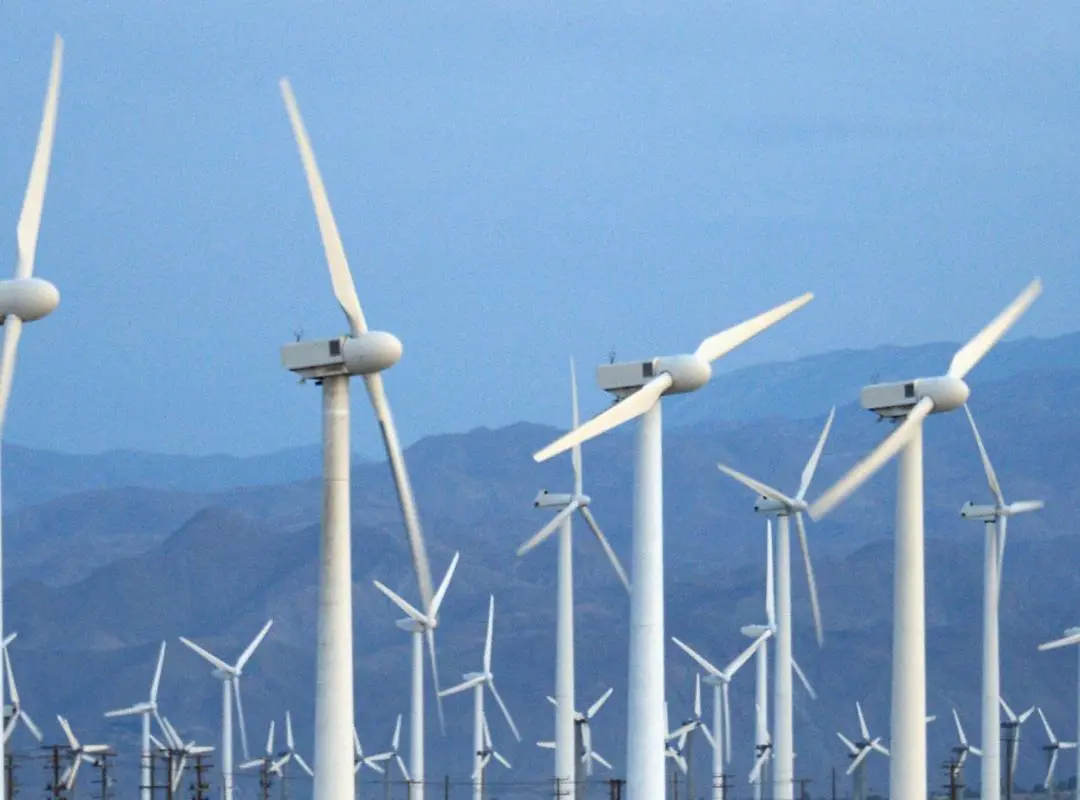
India emerged as the world's third-largest producer of electricity from wind and solar energy in 2024, surpassing Germany, according to a recent report published by global energy think tank Ember. The sixth edition of Ember's Global Electricity Review revealed that wind and solar energy combined generated 15% of global electricity last year, with India contributing 10%.
The report also highlighted that low-carbon sources, including renewables and nuclear energy, provided 40.9% of global electricity in 2024, marking the first time this milestone has been reached since the 1940s.
In India, clean energy accounted for 22% of the country’s electricity generation, with hydropower leading at 8%, followed by wind and solar, which together contributed 10%.
Globally, renewable energy sources were the primary drivers of clean electricity growth, adding a record 858 terawatt hours (TWh) in 2024—an increase of 49% compared to the previous record set in 2022. Solar power continued to be the largest source of new electricity for the third consecutive year, contributing 474 TWh in 2024, and marking its 20th year as the fastest-growing energy source. In just three years, global solar generation doubled, reaching 6.9% of the global electricity mix.
India also saw a significant boost in solar power, which provided 7% of the country’s electricity in 2024, more than doubling its contribution since 2021. India added 24 gigawatts (GW) of solar capacity in 2024—more than double the amount added in 2023—making it the third-largest market globally, behind China and the US. The country also ranked fourth worldwide in terms of the largest increase in solar generation, adding 20 TWh.
Phil MacDonald, managing director of Ember, emphasized that "solar power has become the engine of the global energy transition." He added, "Paired with battery storage, solar is set to be an unstoppable force. As the fastest-growing and largest source of new electricity, it is critical in meeting the world’s ever-increasing demand for electricity."
The Ember report, which covers 88 countries representing 93% of global electricity demand, also provides a historic dataset for 215 countries. Aditya Lolla, Ember's Asia Programme Director, noted the rapid acceleration of the clean energy transition in Asia, led by solar and other renewable sources. He stated that a robust clean energy market is essential for meeting the region's rising electricity demand and ensuring energy security and economic resilience.
Neshwin Rodrigues, Senior Energy Analyst at Ember, highlighted that while India has made significant strides in adopting renewable energy, it faces the challenge of scaling up its clean energy generation to meet future demand.
In February, UN climate chief Simon Stiell referred to India as a "solar superpower," emphasizing that fully embracing the global clean energy shift would propel India's economic growth. India's climate commitments include achieving 50% of its electricity capacity from non-fossil fuel sources by 2030, as part of its Nationally Determined Contributions (NDCs) submitted to the UNFCCC in 2022. Additionally, India has set a target of reaching 500 GW of non-fossil fuel capacity by 2030. Although this goal was not officially included in the updated NDCs, it remains a key element in the country’s energy planning documents, such as the 14th National Electricity Plan.
Ember’s February report also warned that India may not meet its 500 GW renewable energy target by 2030 unless funding increases by 20% annually from current levels. PTI