India FDI rules changed for e-commerce: Who benefits?
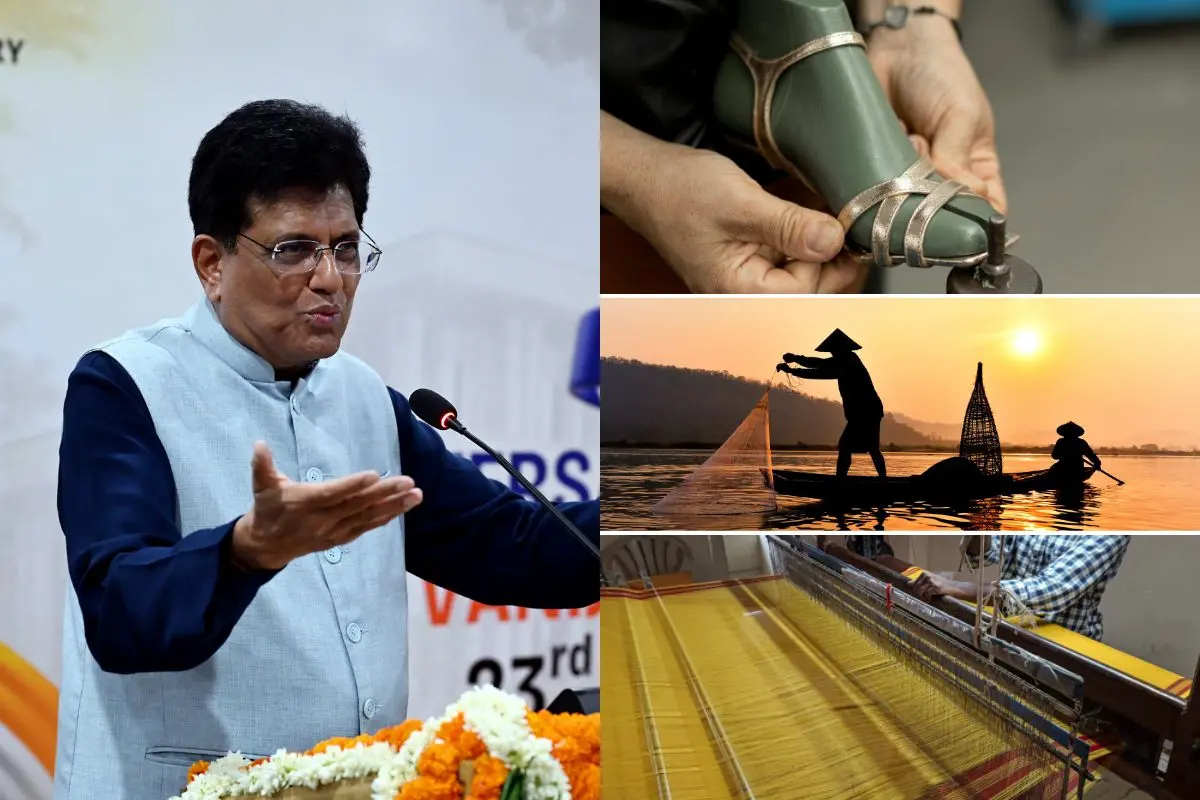
India has amended its Foreign Direct Investment (FDI) rules to facilitate large-scale e-commerce, a move the Centre says will help micro, small and medium enterprises (MSMEs), artisans, farmers and fishermen reach larger domestic and global markets.
Union Commerce and Industry Minister Piyush Goyal announced the change on Friday after the BRICS Trade and Industry Ministers' Meeting in Jaipur. He said the revised framework is intended to use e-commerce as a platform to expand market access for a wide range of products, including handloom, handicrafts, textiles, footwear and food items.
Who will benefit from the FDI rule changes?
The move is expected to create greater market opportunities for several groups that traditionally depend on smaller or more local markets.
- MSMEs: Small businesses could gain access to a wider pool of consumers through e-commerce platforms, allowing their products to be sold beyond their immediate markets.
- Artisans and handicraft producers: Traditional products such as handloom and handicrafts could reach more customers in India and abroad through online platforms.
- Farmers and fishermen: Goyal said the reforms would also benefit farmers and fishermen by expanding the market access available for their products.
- Textile and footwear businesses: Manufacturers and small enterprises in sectors such as textiles and footwear could use e-commerce to connect with a broader consumer base.
- Food businesses: Food products commonly purchased online have also been included in the categories highlighted by the minister, creating opportunities for businesses selling such products to reach more consumers.
What is the government trying to achieve?
At the centre of the policy change is a push to make e-commerce a larger channel for connecting Indian producers with consumers.
Goyal said India intends to leverage e-commerce to connect products made by small enterprises and traditional artisans with a much wider consumer base. The aim is not only to expand domestic market access but also to help these products reach global markets.
The government sees this as an opportunity to use digital commerce to connect smaller producers with customers who may otherwise be difficult to reach through conventional market channels.
Why MSMEs are a key focus
MSMEs were also a major focus of discussions at the BRICS Trade and Industry Ministers' meetings.
According to Goyal, the Commerce Ministers' meeting discussed ways to improve access to finance for MSMEs, strengthen trade flows between BRICS countries and simplify cross-border business procedures.
The ministers also discussed ensuring adequate financing for small businesses through banks and other financial institutions.
For small businesses, wider access to markets and finance could work together to support greater participation in domestic and international trade.
E-commerce and India's global market ambitions
The amended FDI framework comes alongside discussions on strengthening trade and investment among BRICS countries.
Goyal said the Commerce Ministers discussed enhancing bilateral trade, particularly imports and exports, while also looking at ways to make trade processes more efficient.
Greater use of digital technologies was another focus. The discussions included the adoption of digital systems to make trade processes paperless, improve efficiency and simplify regulatory procedures.
For Indian businesses selling products such as handloom, handicrafts, textiles, footwear and food items, the government's approach places e-commerce at the centre of efforts to expand market access.
AI, quantum computing and new jobs
The BRICS meetings also looked beyond trade and e-commerce, with emerging technologies forming part of the discussions.
Goyal said Thursday's Industry Ministers' meeting, chaired by India, focused on using technologies such as Artificial Intelligence (AI) and Quantum Computing to create new jobs and economic opportunities.
The discussions examined how these technologies could accelerate industrial and economic growth across BRICS nations.
Taken together, the meetings focused on expanding trade and investment, improving opportunities for MSMEs and using digital technologies to make business and trade easier.
The Centre's latest FDI rule changes are part of that broader push, with e-commerce positioned as a key route for connecting India's small businesses, farmers, fishermen and traditional producers with a larger consumer market.
With IANS inputs