India’s new e-Passport: Check eligibility, process, benefits and all you need to know
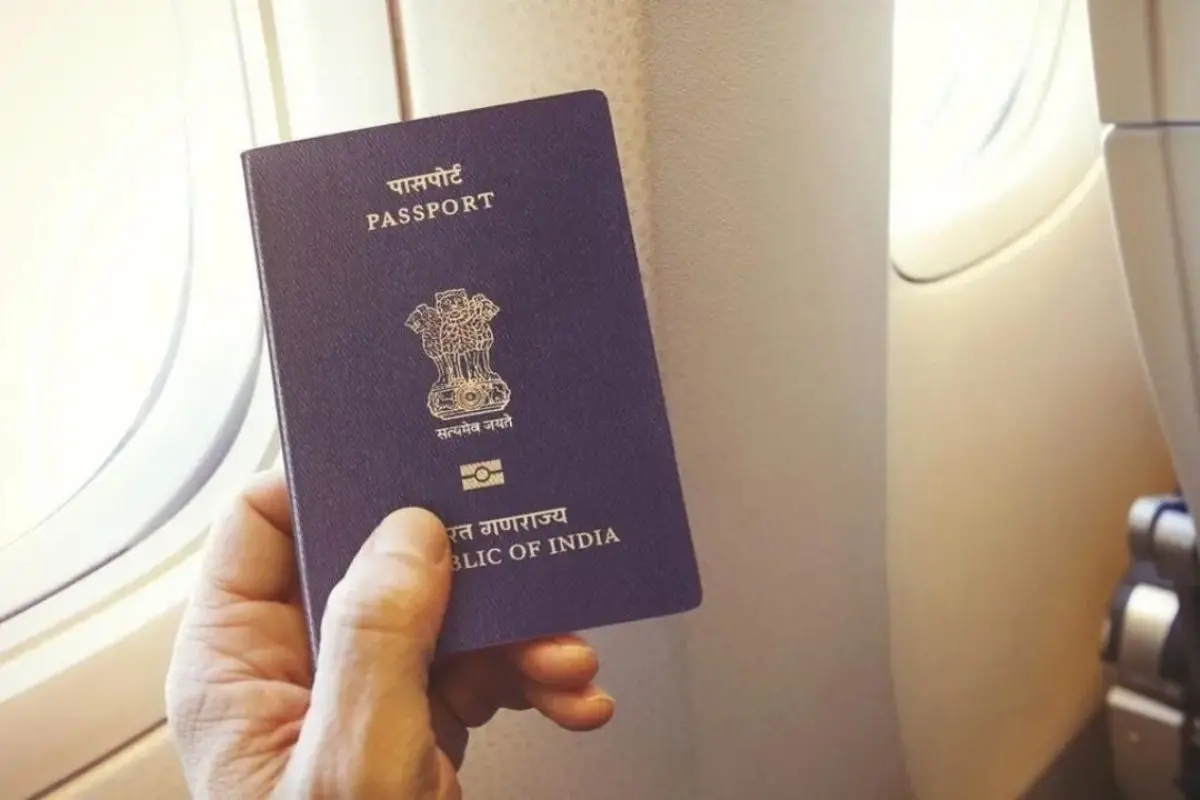
India has taken a major step toward modernising travel documentation with the nationwide rollout of electronic passports, or e-passports.
Designed to enhance security, speed up immigration checks, and align with international travel standards, the new system marks a significant technological shift in how Indian citizens will travel abroad in the coming years.
What is an E-Passport?
An e-passport looks similar to a traditional Indian passport but features an embedded electronic chip in its back cover. This chip securely stores the holder’s personal and biometric data, including fingerprints, facial recognition details, and digital signatures.
The system ensures that all printed information is digitally matched with the encrypted data in the chip, making tampering or forgery nearly impossible.
A gold symbol on the passport cover identifies it as an e-passport, helping airports and border authorities quickly route it through faster, automated checks. The chip enables quicker scanning and verification, reducing wait times for travellers.
Who Can Apply for an E-Passport?
Any Indian citizen eligible for a regular passport can apply for an e-passport. Currently, the service is available at select Passport Seva Kendras (PSKs) and Post Office Passport Seva Kendras (POPSKs).
Applicants are advised to verify whether their nearest centre has begun issuing e-passports before starting the process.
The government plans a phased expansion of the facility nationwide, ensuring both new applicants and those renewing their passports can shift to the upgraded format.
How to apply
The application process for an e-passport remains identical to that of a traditional passport. Applicants must:
- Register on the official Passport Seva portal
- Fill out and submit the online application form
- Pay the required fee
- Book an appointment at a PSK or POPSK
During the appointment, biometric data—fingerprints and photographs -- will be captured. Once the application is verified and processed, the e-passport with its embedded chip is printed and dispatched to the applicant’s registered address.
Benefits and what lies ahead
E-passports bring multiple advantages: stronger security, faster immigration clearance, and improved international acceptance of Indian travel documents.
The embedded chip significantly reduces risks of identity theft, duplication, or misuse, making global travel safer and more seamless.
As the rollout continues, applicants should check whether their local passport office or Seva Kendra is equipped to issue e-passports.
The move represents a major transition toward a smarter, more secure travel ecosystem—one that strengthens India’s digital identity framework and enhances global mobility for its citizens.