‘Students can graduate as job creators’ Sitharaman’s mega hubs under scrutiny
New Delhi: The Parliament continued discussions on the Union Budget 2026–27 on Wednesday, with the Opposition raising concerns over transparency, fiscal priorities, and India’s role in the global economy.
Leader of Opposition Rahul Gandhi addressed the Lok Sabha, warning about the “weaponisation of finance and energy” in a volatile global order. He said, “The global order is shifting, US dominance is being challenged, and India’s data has become the single most valuable asset in the US-China contest. Claims that the era of war is over are shockingly incorrect.”
Gandhi also expressed concerns about the India–US interim trade framework, arguing that cheaper imports could undermine domestic industries. “This trade deal risks flooding Indian markets with American agricultural products and impacts farmers, textiles, and key sectors,” he said, highlighting what he described as the government’s “one-sided approach.”
Finance Minister outlines key allocations
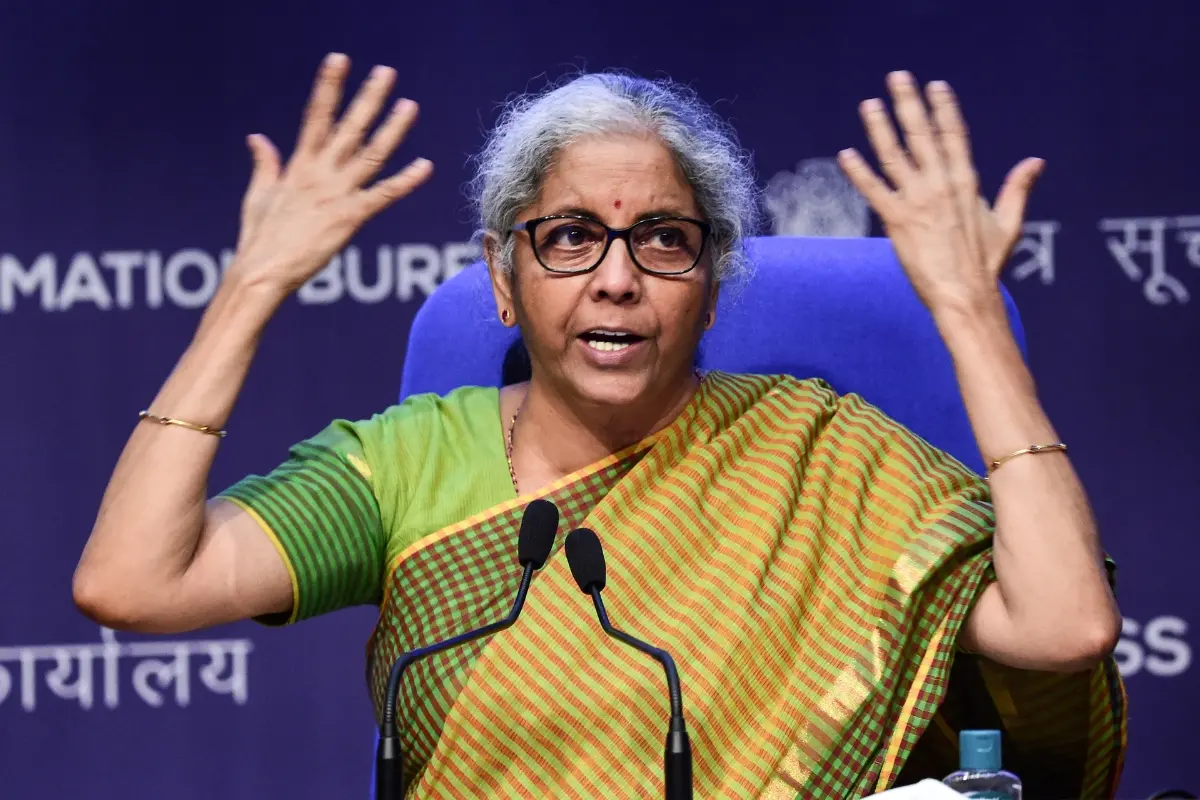
Union Finance Minister Nirmala Sitharaman responded with details of projected tax receipts, expenditure, and capital allocations. She said gross tax receipts are expected at Rs 44.04 lakh crore, a rise of 8% over the revised estimates for 2025–26. Total expenditure is pegged at Rs 53.47 lakh crore, with capital expenditure of Rs 12.22 lakh crore, representing 3.1% of GDP.
Sitharaman also highlighted government initiatives such as five regional medical hubs aimed at boosting medical tourism, and the creation of mega entrepreneurship hubs near industrial clusters. “We are willing to work with states to set up higher education and skill development centres, so students can emerge as entrepreneurs,” she said.
Critics question priorities and implementation
Opposition MPs questioned the government’s emphasis on large infrastructure projects and trade agreements, arguing that local industries and social welfare programs may receive insufficient attention. Congress MP Shashi Tharoor said, “The lack of reciprocity in trade deals puts Indian producers and farmers at a disadvantage.” Samajwadi Party chief Akhilesh Yadav similarly called for clearer strategies to protect domestic employment and resources.
Rahul Gandhi further urged scrutiny of energy and defence policies, saying, “We cannot ignore the concentration of power in corporate hands and the growing risks of external influence over India’s strategic assets.”