India ends transshipment facility for Bangladesh following Yunus' 'landlocked' remarks
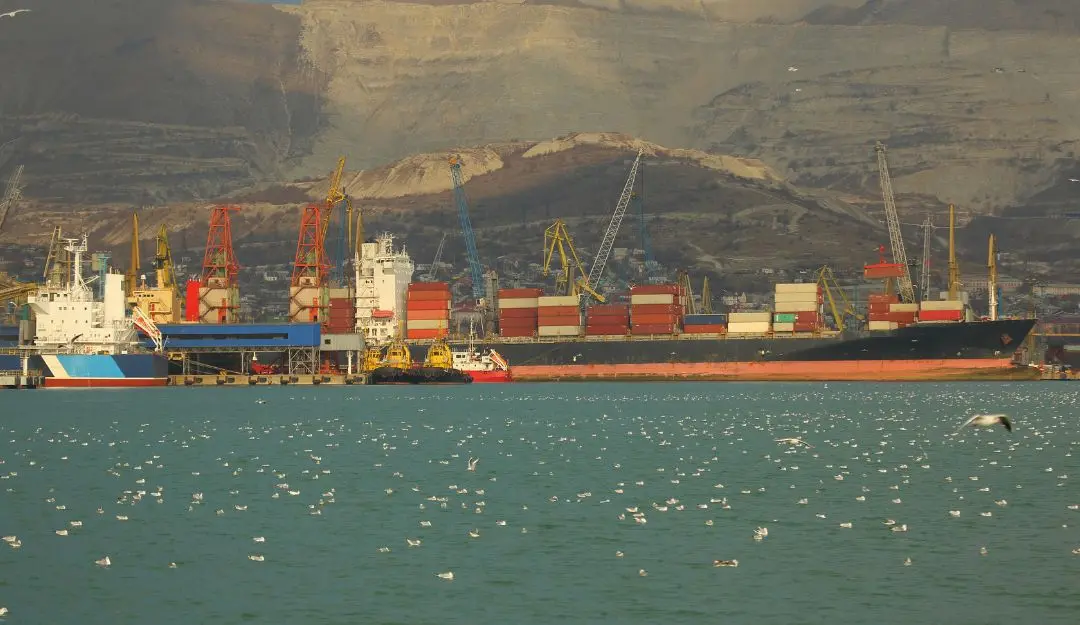
New Delhi: In an important move reflecting growing tensions between New Delhi and Dhaka, India has withdrawn the transshipment facility it had provided to Bangladesh for routing exports to the Middle East, Europe and other international destinations via Indian ports and airports.
The decision came shortly after Muhammad Yunus, head of Bangladesh's interim government, made remarks during a visit to China, describing India’s northeastern states as "landlocked" and dependent on Bangladesh for access to the sea. The comment, seen as provocative, appears to have contributed to the escalation in diplomatic strain.
While the facility allowed Bangladeshi goods to be transported through Indian infrastructure for global trade, the Ministry of External Affairs cited operational challenges. "The transshipment arrangement had started to cause congestion at our ports and airports, leading to logistical delays and impacting our own exports," said ministry spokesperson Randhir Jaiswal. The facility was officially withdrawn on April 8.
However, India clarified that this decision would not affect Bangladeshi exports destined for Nepal and Bhutan, as both are landlocked nations and such access is guaranteed under World Trade Organisation (WTO) guidelines.
The transshipment arrangement between the two countries was introduced in 2020 and formally implemented in 2022. Over the years, Bangladesh utilised several Indian ports and airports, including the Indira Gandhi International Airport in Delhi, for exporting goods to various global markets.
Tensions between India and Bangladesh have escalated on several fronts. Notably, New Delhi expressed displeasure with Dhaka's portrayal of a recent meeting between Prime Minister Narendra Modi and Muhammad Yunus on the sidelines of the BIMSTEC summit in Bangkok. Indian officials described parts of Dhaka’s version—particularly references to attacks on minorities and an extradition request involving former Prime Minister Sheikh Hasina—as misleading and politically charged.
According to Yunus’ press secretary Shafiqul Alam, the interim leader raised the matter of Hasina's extradition during the meeting and claimed that Modi’s response was “not negative.” However, Indian sources strongly contested this account and criticised its accuracy.
India also raised concerns about ongoing violence targeting minorities, especially Hindus, in Bangladesh. PM Modi reportedly pressed Yunus on the safety and security of these communities and advised against any rhetoric that could further strain bilateral ties.
In addition, India responded cautiously to Bangladesh’s decision to welcome Chinese participation in the Teesta river project. While India and Bangladesh share 54 rivers, including the Teesta and Ganga, any cooperative efforts are expected to be addressed through the Joint Rivers Commission, a mechanism set up for institutional dialogue. The External Affairs Ministry noted that meaningful discussions depend on a conducive overall atmosphere.