Bangladesh seeks constructive ties after EAM Jaishankar raises concerns over anti-India rhetoric
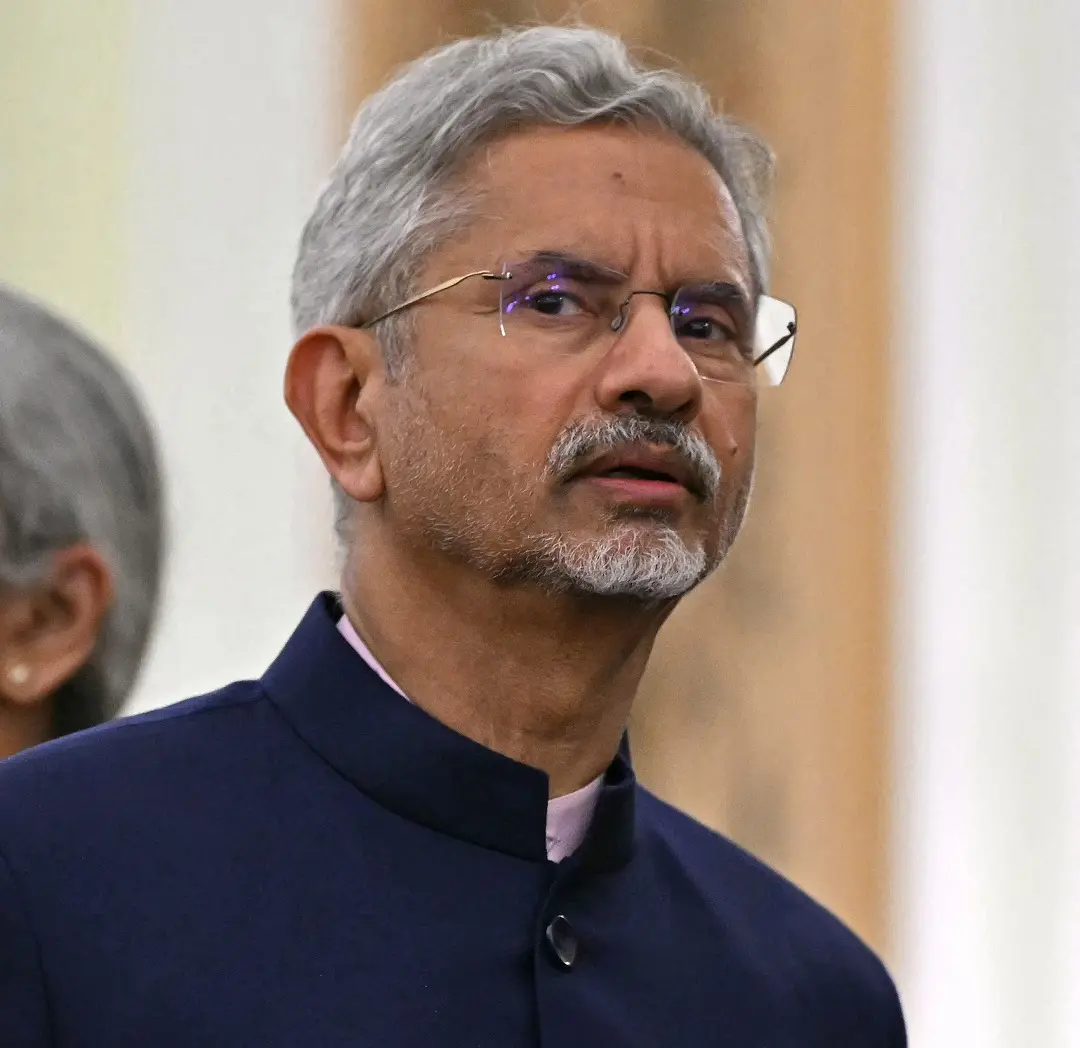
New Delhi: Bangladesh seeks a constructive relationship with India, grounded in mutual respect and shared interests, Foreign Affairs Adviser Md. Touhid Hossain said on Monday. His remarks came in response to Indian External Affairs Minister S. Jaishankar’s recent statements on bilateral relations.
Hossain emphasised that Bangladesh has a clear stance on its ties with India, stating, “We want a relationship built on mutual understanding, and there is no ambiguity in our position.” He also noted that India must decide what kind of relationship it wants with Bangladesh.
Responding to Jaishankar’s observation that “there are anti-India remarks from Bangladesh,” Hossain said Bangladesh would determine its own stance but added that the relationship is a mutual matter.
“Of course, Bangladesh will determine its stance. But at the same time, India also needs to decide what kind of relationship it wants with Bangladesh. This is a mutual matter, and there is nothing wrong in stating that,” Hossain was quoted as saying by the state-run BSS news agency.
Hossain also criticised ousted prime minister Sheikh Hasina’s comments during her visit to India, arguing that her statements harmed Dhaka-Delhi relations.
“If we want to improve ties, then a former prime minister making various statements while enjoying Indian hospitality only fuels tensions. It is widely recognised that her remarks are adding fuel to the fire,” he asserted.
What did Hossain say about Bangladesh’s minority issue?
Hossain dismissed concerns over the treatment of minorities in Bangladesh, asserting that it was a domestic issue.
“Bangladesh’s minorities are Bangladesh’s issue, just as how India treats its minorities is India’s concern,” he was quoted as saying by the Dhaka Tribune.
“Therefore, I believe the policy of non-interference should be followed. We are looking after the issue of minorities. They are citizens of Bangladesh. They have the same rights as I do, and the government will try to ensure those rights,” he added.
During their meeting on the sidelines of the 8th Indian Ocean Conference in Muscat, Jaishankar conveyed that Bangladesh “should not normalise terrorism.” Meanwhile, India’s concern over anti-India remarks and minority rights in Bangladesh was highlighted at an event in New Delhi.
The Vivekananda International Foundation (VIF) hosted an exhibition and panel discussion titled The Never-Ending Persecution of Minorities in Bangladesh, which detailed the systemic discrimination and violence faced by religious and ethnic minorities in the country.
India’s National Security Adviser (NSA), Ajit Doval, attended the event, underscoring India’s concerns over the plight of minorities in Bangladesh. The panel featured diplomats, journalists, and security experts who examined the socio-political and international dimensions of the crisis.
The exhibition, curated by the Foundation Against Continuing Terrorism (FACT), showcased visual documentation of human rights violations, forced displacements, and attacks on religious minorities, including Hindus, Buddhists, Christians, and Ahmadiyya Muslims in Bangladesh.
The event aimed to raise awareness and encourage discourse on regional security and minority rights, reinforcing India’s commitment to advocating for human rights.
How is Bangladesh positioning itself?
Despite tensions over anti-India remarks and minority rights, Bangladesh is seeking to strengthen its ties with India, reaffirming its commitment to mutual respect and reciprocal interests.
“We have a clear decision that we want good working relations with India on the basis of mutual respect and reciprocal interest. We have no ambiguity about this,” Hossain reiterated.