Joined the protest, promised not to protest again: Imran Khan tenders ‘unconditional apology’ to Bombay HC
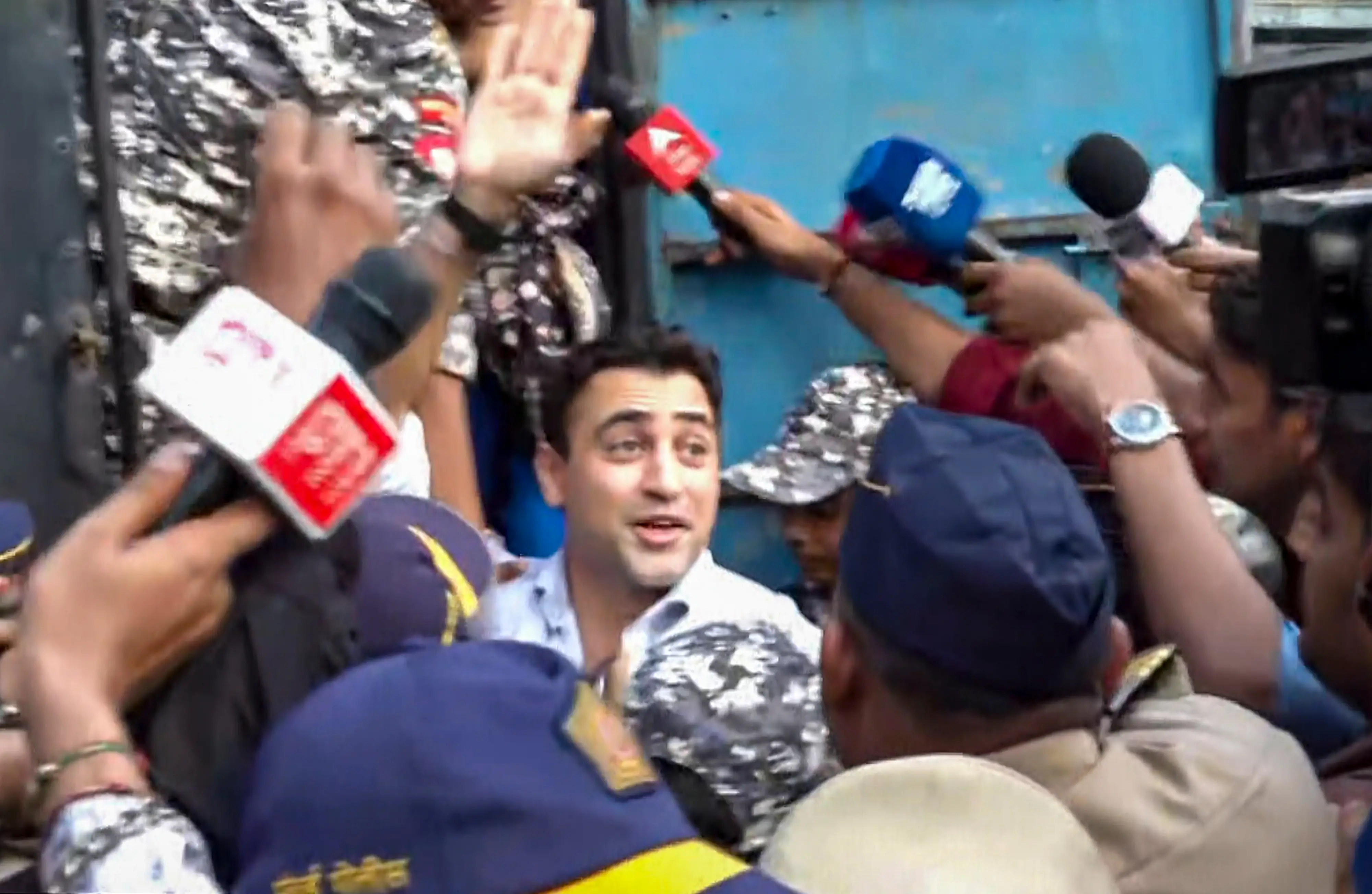
Mumbai: Actor Imran Khan on Monday tendered an unconditional apology before the Bombay High Court for participating in a protest against Chief Election Commissioner (CEC) Gyanesh Kumar in Mumbai. The actor, who is a US citizen and an Overseas Citizen of India (OCI) cardholder, also submitted an undertaking that he would not participate in similar protests in the future.
The development came during the hearing of Khan's petition challenging a 'Leave India Notice' issued by the Foreigners Regional Registration Office (FRRO), Mumbai, on October 14. The notice had directed him to leave India by October 28.
After considering his apology and undertaking, the Bombay High Court continued its interim order keeping the notice in abeyance. The protection will remain in place until December 7, when the matter is scheduled to be heard again.
Why did the Bombay High Court ask Imran Khan to apologise?
During the hearing, a division bench of Chief Justice Mahesh Chandra Tripathi and Justice Advait Sethna questioned Khan's participation in the protest against the Special Intensive Revision (SIR) exercise.
The court observed that Khan, as an OCI cardholder, could not claim the same rights as an Indian citizen and questioned why he had participated in an agitation concerning an electoral exercise. It asked him to clarify whether he had attended the protest for any purpose other than participating in the demonstration.
The bench asked Khan to tender an unconditional apology and provide an undertaking that he would not participate in similar protests in the future. Khan subsequently complied with the court's directions.
How did the FRRO issue the 'Leave India' notice?
Khan was detained during a protest against Chief Election Commissioner Gyanesh Kumar in Mumbai on October 10. Following the incident, BJP leader Kirit Somaiya filed a police complaint alleging that the actor had violated OCI rules and visa conditions.
The Mumbai Police subsequently forwarded an FIR to the FRRO. The FRRO issued the 'Leave India Notice' on October 14, directing Khan to leave the country by October 28.
Khan challenged the notice before the Bombay High Court, arguing that it had been issued without giving him an opportunity to respond. The court had initially put the notice on hold until November 2.
What did Imran Khan's lawyer and the Centre argue?
Senior advocate Venkatesh Dhond, appearing for Khan, told the court that the actor had not been called for questioning or asked to record a statement in connection with the case. He also submitted that Khan had no association with the protest organisers.
Dhond told the bench that Khan had lived almost his entire life in India, apart from the first two years after his birth in the United States. He also informed the court that Khan had received OCI status in 2006.
Additional Solicitor General Anil Singh, representing the Centre, opposed the petition. He argued that an OCI cardholder does not enjoy the same rights as an Indian citizen and that the government has powers to restrict a foreign national's stay in India.
The Centre also referred to Khan's petition, in which he reportedly said he had attended the protest out of curiosity, while arguing that his social media activity had encouraged people to participate.
The High Court, while acknowledging the Centre's powers concerning OCI cardholders, questioned whether the FRRO could issue such a notice without first giving Khan an opportunity to respond, particularly in the absence of established violations of law over his years in India.
What happens next?
The Bombay High Court has continued its interim protection against the 'Leave India' notice until December 7. The FRRO will have to give Khan an opportunity to respond to the notice before deciding the matter.
The next hearing in his petition is scheduled for December 7. The court's interim order does not amount to a final decision on the validity of the notice or Khan's challenge to it.
What the case raises about OCI rights and freedom of expression
The case brings into focus the distinction between the rights of Indian citizens and those available to Overseas Citizens of India.
OCI cardholders are foreign citizens of Indian origin who receive specified privileges under the law, but they do not enjoy all the constitutional and political rights available to Indian citizens. They cannot vote or contest elections, and their right to participate in political activities is subject to applicable restrictions.
The proceedings also raise questions about the exercise of the government's powers over foreign nationals and the requirement to follow principles of natural justice. The High Court has not ruled that the FRRO lacks the authority to issue a 'Leave India' notice. Instead, its interim intervention has focused on giving Khan an opportunity to respond before the authorities make a decision.
The next hearing on December 7 will be significant in determining how the FRRO proceeds with the notice after considering his response.