How farmers’ panel ended BJP’s 20-year control of Gujarat’s iconic Bardoli sugar factory
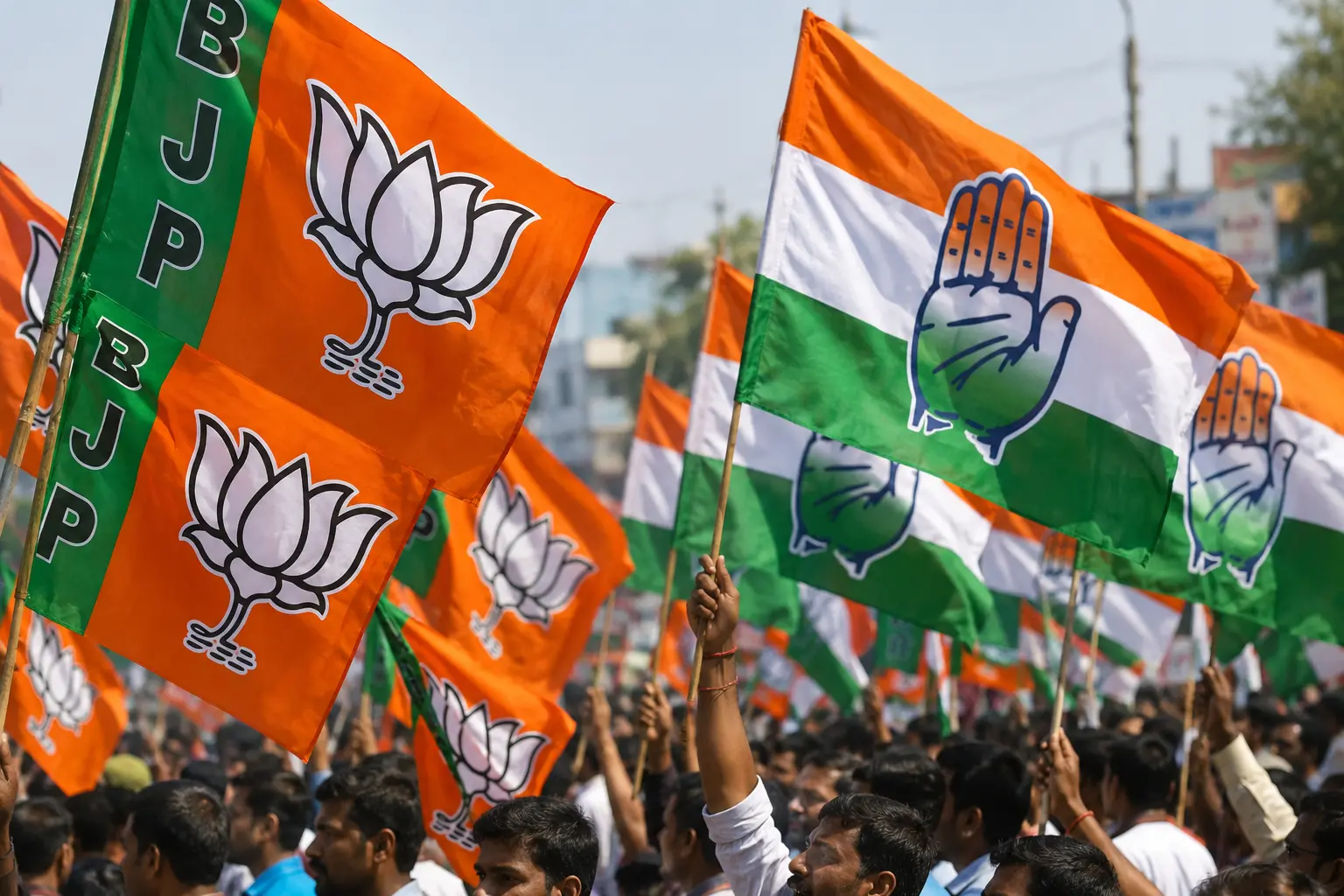
The result at Gujarat’s iconic Bardoli sugar factory has delivered a sharp political jolt to the BJP: a panel formed by sugarcane farmers has swept the co-operative’s management elections, bringing an end to the party-backed camp’s two-decade hold over the institution.
The Kisan Parivartan Panel won 14 of the 15 seats contested in the August 16 election to the management committee of the Shree Khedut Sahakari Khand Udyog Mandli Ltd, popularly known as the Bardoli sugar factory.
The BJP-backed Sahakar Panel was reduced to just one seat, which Anil Patel won uncontested.
The outcome is significant not merely because of the numbers. The Bardoli factory, founded in 1955 as Gujarat’s first co-operative sugar factory, has long occupied an important place in the political and farming landscape of Surat district.
With an annual turnover of Rs 600 crore, it is also reportedly among Asia’s largest co-operative sugar factories.
For the BJP, the defeat becomes more striking because several prominent party-linked figures were in the fray, including Bardoli MLA Ishvar Parmar.
The farmers’ panel built its campaign around issues directly affecting sugarcane suppliers, particularly the minimum support price and delays in payments for crushed cane.
Its message appeared to resonate with voters who, according to the panel’s members, wanted the co-operative to remain focused on farmers rather than party politics.
‘The major reason behind our panel’s victory is that voters did not want politics to enter the cooperative sector,’ said Mukesh Patel, who won from the Tundi seat and led the Kisan Parivartan Panel.
Patel alleged that the Bardoli sugar mill had increasingly become a hub for BJP activities in Surat district. The farmers’ panel, he said, would now focus on addressing the concerns of sugarcane growers.
The election was held for 14 of the 15 elected seats, with the contest essentially becoming a direct battle between the BJP-backed Sahakar Panel and the Kisan Parivartan Panel, which was formed by sugarcane farmers.
The previous management had only two members from the farmers’ panel.
Bardoli MLA Ishvar Parmar among major losers
One of the biggest upsets came in the SC/ST seat, where BJP’s Bardoli MLA Ishvar Parmar was defeated by Tarunkumar Vaghela of the Kisan Parivartan Panel.
Vaghela, who had lost the Bardoli Assembly election to Parmar in 2022 while contesting on a Congress ticket, turned the tables in the co-operative election. He polled 1,424 votes, comfortably ahead of Parmar’s 882.
Vaghela said the farmers’ campaign centred on the problems of sugarcane suppliers and the failure to ensure timely payments and the minimum support price.
‘My opponent was senior BJP leader Ishwar Parmar, but we touched farmers’ sentiments and assured them that we would do better than the outgoing panel,’ Vaghela said.
The farmers’ panel also scored another major victory against Bhavesh Patel, former Surat district panchayat president and vice-chairman of the Bardoli sugar factory.
Contesting from the Mota seat on the Sahakar Panel, Bhavesh Patel lost to Kisan Parivartan candidate Satish Patel.
Another notable result saw Atul Patel, husband of former Surat district panchayat president Bhavini Patel, win for the farmers’ panel against Parimal Patel, the Surat district president of Khedut Samaj Gujarat, an independent farmers’ organisation.
Two women candidates from the Kisan Parivartan Panel also emerged victorious.
A 20-year BJP hold comes to an end
The Bardoli sugar factory has a 19-member board. Four members are appointed ex officio: a government representative from the Directorate of Sugar, a representative of the Surat District Bank, one from the Kisan Sangh and the managing director. The remaining seats are elected every five years.
That structure means the latest election does not completely determine the composition of the board, but the scale of the farmers’ panel's victory marks a dramatic shift in the elected component of the management.
The BJP, meanwhile, has sought to play down the political significance of the result.
Surat district BJP president Bharat Rathod said both the Sahakar and Kisan Parivartan panels included BJP functionaries, with the exception of Tarun Vaghela and Parimal Patel.
However, the electoral arithmetic tells a more striking story: a panel built around farmers’ grievances swept almost the entire elected contest and displaced a BJP-backed group that had controlled the factory for 20 years.
For a co-operative with deep roots in Gujarat’s sugarcane economy and a prominent place in Surat’s political landscape, the Bardoli verdict is therefore more than a change in management.
It is a clear expression of farmer discontent, and a warning that political influence in co-operatives can be vulnerable when local agricultural concerns take centre stage.