Bengal election 2026: What Gen Z wants; TMC comeback or BJP-led parivartan 2.0?
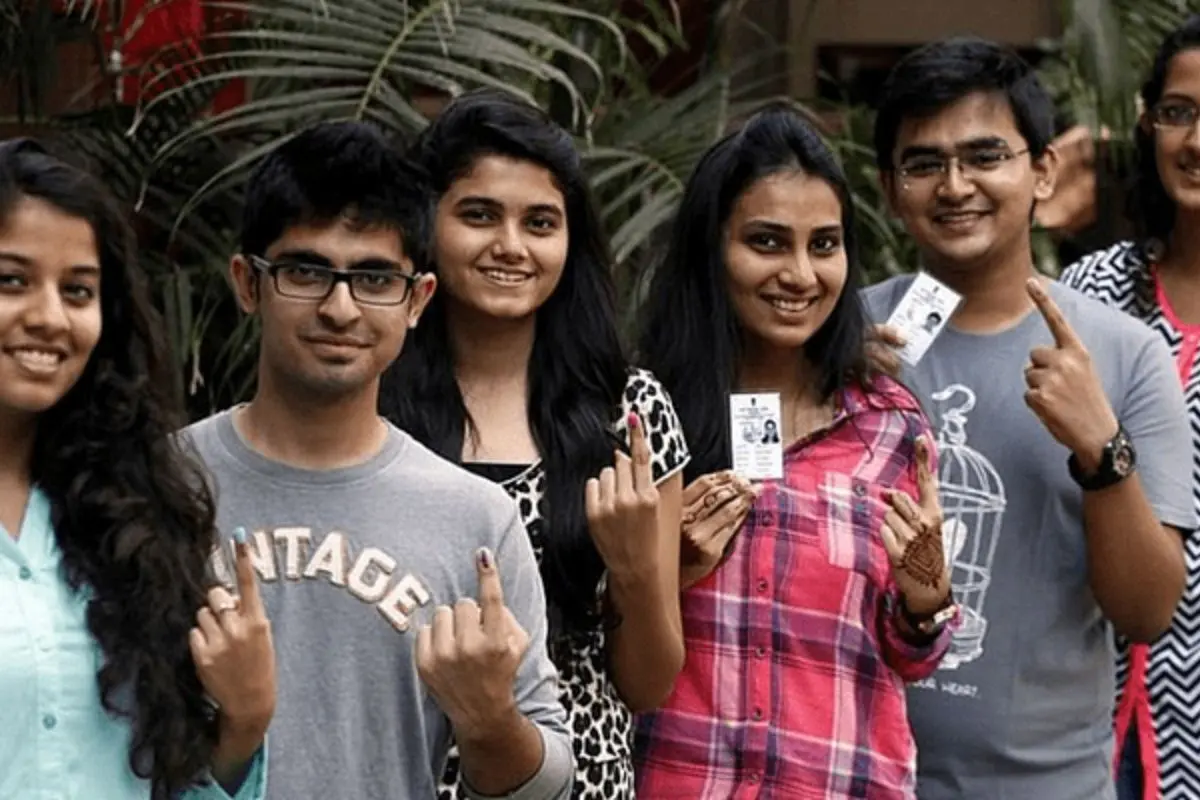
The 2026 West Bengal Assembly election is shaping up as a high-stakes battle not just between political parties but between competing visions of the future.
At the heart of this evolving contest stands a decisive and unpredictable force, Gen Z voters.
Comprising millions of first-time and young voters, this demographic is redefining electoral politics in the state.
For them, the choice between a Trinamool Congress (TMC) comeback and a BJP-led ‘Parivartan 2.0’ is no longer rooted in legacy, ideology, or inherited political affiliations.
Instead, it is driven by a pragmatic assessment of opportunities, governance, and long-term prospects.
Unlike older voters who witnessed the 2011 political shift firsthand, Gen Z views that transition as distant history. Their political engagement is shaped more by present realities than past narratives.
Armed with social media awareness and digital exposure, they approach electoral promises with scepticism and a strong inclination toward fact-checking.
The ruling TMC continues to draw significant support from sections of young voters, particularly in rural Bengal and among women.
Welfare schemes such as ‘Kanyashree’ and ‘Sabuj Sathi’ have played a crucial role in building trust and tangible impact.
For many beneficiaries, these initiatives are not abstract policies but lived experiences that supported their education and mobility.
Additionally, the party’s emphasis on Bengali cultural identity resonates with a segment of Gen Z voters who perceive it as a safeguard against external political dominance.
For them, continuity under the TMC represents stability and assurance that existing benefits will not be disrupted.
However, the appeal of continuity is increasingly being challenged, especially in urban centres and among educated youth. Here, dissatisfaction is growing over employment opportunities and economic stagnation.
Many young voters express frustration over the lack of large-scale private investment and industrial growth, which has led to a persistent outflow of talent to cities like Bengaluru, Pune, and Hyderabad.
Equally significant is the impact of corruption allegations, particularly in recruitment processes. For a generation that values meritocracy, such controversies have eroded confidence in existing systems.
This has strengthened the BJP’s narrative around transparency, governance reform, and its promise of a ‘double engine’ government aligned with the Centre.
Gen Z voters are also less likely to remain loyal to any single political entity. Their engagement is fluid, issue-based, and often shaped by real-time developments.
Social media platforms have amplified their voices, allowing them to openly critique governance failures and demand accountability.
Interestingly, a large section of this demographic identifies as “apolitical,” though their concerns are deeply political in nature.
They are less interested in charismatic leadership and more focused on administrative efficiency.
Their expectations resemble those of a corporate mindset, seeking leadership that can function like a CEO, delivering jobs, infrastructure, and innovation.
As campaigning intensifies, both TMC and BJP are recalibrating strategies to appeal to this critical voter base. From digital outreach to campus engagement, efforts are underway to align with youth aspirations.
Ultimately, the defining question for Gen Z remains simple yet powerful: who can ensure a dignified future within West Bengal? The answer to this may well determine the outcome of the 2026 election.
- Trend: Gen Z leaning issue-based: Split between TMC’s welfare continuity and BJP’s jobs-driven change
- Verdict: Too close to call; youth vote emerging as decisive swing factor
- Vote margin: Narrow edge (within 2–4%), dependent on urban youth turnout