Galwan, China and power: Why General Naravane’s book has triggered a national storm
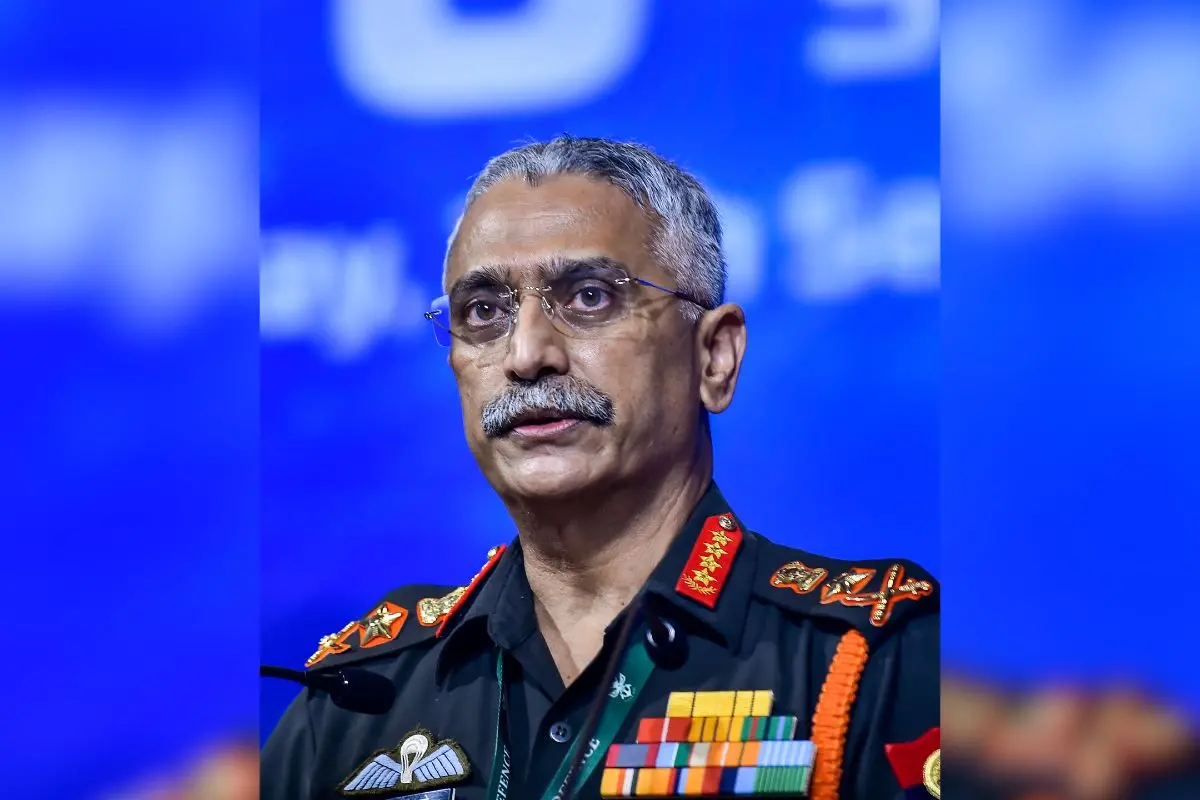
Manoj Mukund Naravane, former Chief of the Indian Army, has once again found himself at the centre of national conversation, this time not in uniform, but as an author.
His memoir, ‘Four Stars of Destiny’, has quickly become one of the most discussed books in India’s strategic and political circles, triggering debate far beyond the military community.
General Naravane served as India’s 28th Army Chief from December 2019 to April 2022, a period marked by some of the most complex security challenges in recent decades.
His tenure coincided with the deadly Galwan Valley clash with China in 2020, prolonged military standoffs along the Line of Actual Control (LAC), heightened tensions with Pakistan, and the operational and logistical pressures brought on by the Covid-19 pandemic.
So why has his book attracted so much attention?
The primary reason lies in its unusually candid tone. Unlike many military memoirs that stick to operational details or personal anecdotes, Naravane’s book delves into sensitive civil-military issues, strategic decision-making, and the behind-the-scenes dynamics of India’s national security establishment.
His reflections on China’s intentions, Pakistan’s military posture, and India’s internal defence preparedness have been widely quoted and scrutinised.
One of the most talked-about aspects of the book is Naravane’s commentary on the Galwan crisis. While careful not to reveal classified information, he offers insight into how military leadership assessed Chinese actions and the constraints under which decisions were taken. His account has reignited public discussion on border management, deterrence, and India’s long-term China strategy.
The memoir has also drawn attention for its references to civil-military relations. Naravane speaks about the evolving role of the armed forces in a democratic framework and the importance of professional autonomy, discipline, and institutional integrity.
These passages have sparked debate, particularly at a time when questions around military reforms, theatre commands, and defence modernisation are actively being discussed.
Another reason for the book’s popularity is Naravane’s public credibility. Known during his service for measured statements and a low-key leadership style, his shift to a more open narrative has surprised many readers.
Analysts say the book stands out because it balances restraint with honesty, offering rare glimpses into how India’s top military leadership views strategic threats.
Publishers report strong sales, while excerpts and interpretations of the memoir have dominated news cycles and social media discussions. Supporters have praised Naravane for contributing to informed public discourse on national security, while critics argue that some observations could be politically sensitive.
Regardless of where opinions fall, Four Stars of Destiny has achieved what few military memoirs manage in India, it has pushed defence and strategy into mainstream conversation.
For a country facing complex geopolitical challenges, that alone explains why General Naravane’s book is being talked about so widely.