Full-body scanners coming to 8 Indian airports: Why Cochin is testing them and what passengers should know
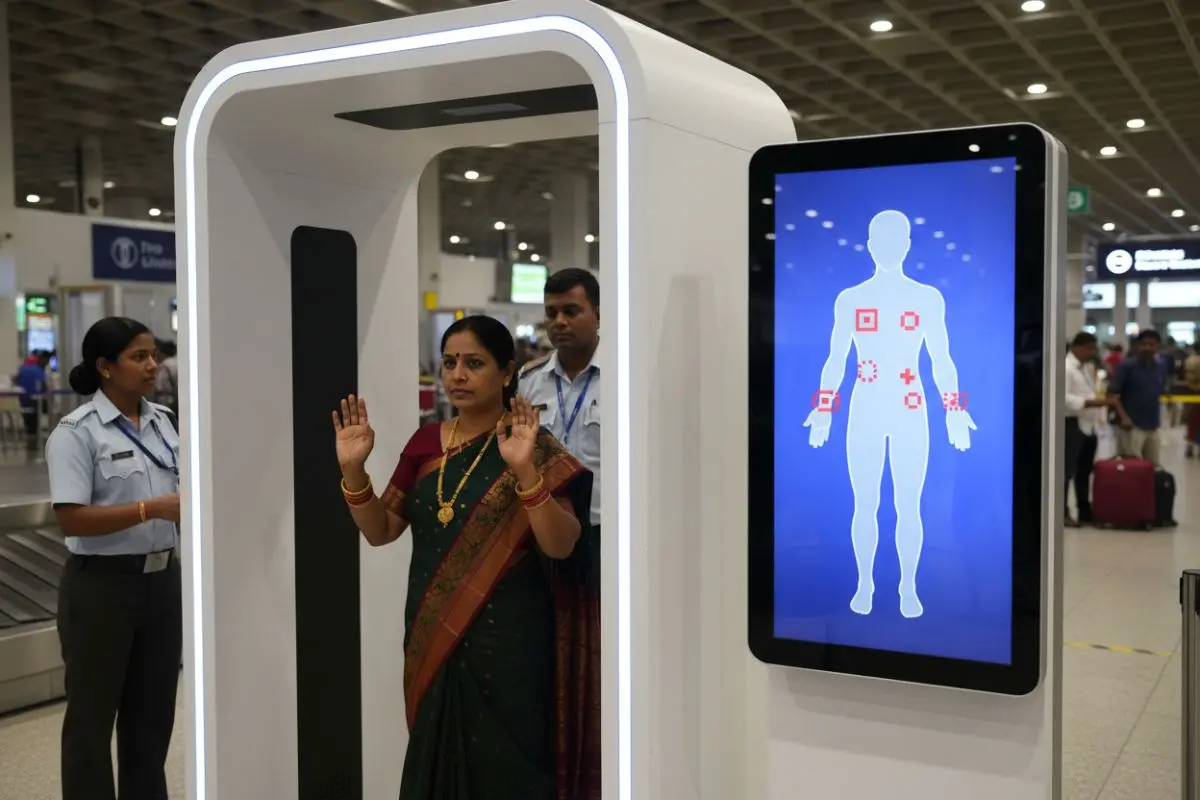
Full-body scanners are set to become part of security screening at eight Indian airports, with trials already underway at Bengaluru and Cochin airports as authorities assess how the technology works with passengers in India.
The Bureau of Civil Aviation Security (BCAS) is collecting data from the ongoing trials before finalising how the scanners will be introduced. The information includes how many alarms the machines generate, with the findings expected to help refine the technology's algorithms.
BCAS Director General Rajesh Nirwan said on Thursday that full-body scanners have been mandated for eight airports. The names of all eight airports were not immediately available.
Interestingly, Cochin airport is not among the eight airports where the scanners have been mandated, but it is one of the two airports where the technology is currently being tested.
For passengers, the trials could offer an indication of what full-body security screening may look like when the technology is deployed more widely.
One of the issues being examined is how often the scanners flag items that are commonly worn by people in India. BCAS is working with scanner manufacturers to refine the algorithms after concerns that jewellery and other items, including mangal sutras, could trigger alarms during screening.
Nirwan said the algorithms currently used by the scanners were developed for foreign markets and therefore need to be adapted to account for items typically worn by people in India.
Data collected from the Bengaluru and Cochin trials will be used to make those changes in coordination with vendors and original equipment manufacturers.
What will passengers see during a full-body scan?
Passenger privacy has been a concern since full-body scanners were first proposed for use at Indian airports several years ago.
BCAS says the technology has changed since then. According to Nirwan, newer scanners are being made "image agnostic", meaning they do not produce a detailed image of the passenger's body.
Instead, the system displays a model of a person. If it detects something suspicious, it indicates the relevant area of the body where the object is located rather than displaying the passenger's actual body image.
The technology is being refined as part of the ongoing trials, with the data expected to help authorities determine how the scanners should be configured for Indian airports.
India currently has 165 airports and is among the world's fastest-growing civil aviation markets. As the use of the technology expands, the ongoing trials will help determine how full-body screening works for passengers and how frequently alarms are triggered during routine security checks.
With PTI inputs