Buying supplements from your gym? What Maharashtra's new FSSAI warning means for gym owners and consumers
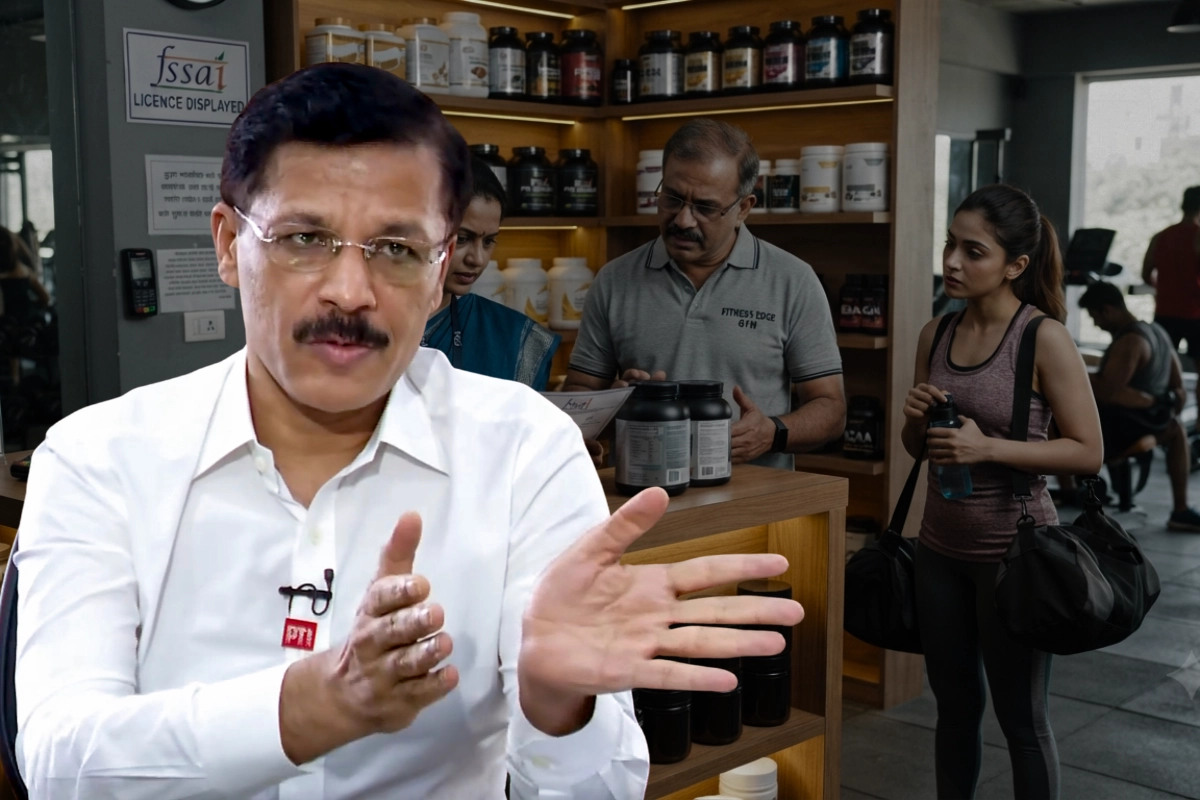
Mumbai: Gyms selling protein powders, health supplements and other nutraceutical products in Maharashtra will have to obtain a proper licence from the Food Safety and Standards Authority of India (FSSAI), Maharashtra Food and Drugs Administration (FDA) Commissioner Tukaram Mundhe has warned.
The senior official said strict action would be taken against gym operators selling supplements without the required authorisation. He also cautioned manufacturers, wholesalers and retailers against making misleading claims about the health benefits of supplements.
Speaking to reporters on Monday, Mundhe said every participant in the supply chain was individually responsible for ensuring that products being sold were genuine, safe and free from misleading claims.
He stressed that sellers could not escape accountability by blaming manufacturers if the products they stocked or sold were unauthorised, substandard or adulterated.
"Nutraceuticals and health supplements are being consumed improperly, and misleading advertising claims are being made about them. People in gyms often claim that eating protein powder will automatically build muscles. These misconceptions and false practices have no legal basis and must stop," he said.
Mundhe also clarified that manufacturers and producers of health supplements and nutraceuticals were not permitted to make specific health benefit claims or print such claims on product labels, as highlighted in his warning.
He further pointed out that holding an FSSAI licence did not give businesses permission to sell adulterated or substandard products. Manufacturers, wholesalers, retailers and gym operators must independently ensure that the products they deal in comply with applicable food safety requirements.
The warning follows a statewide compliance order issued by the Maharashtra FDA last week, introducing stricter oversight of health supplements, nutraceuticals and special dietary foods.
The order covers products associated with sports nutrition, weight loss, sexual wellness and herbal supplements. It brings different parts of the supply chain under scrutiny, including manufacturers, importers, distributors, warehouses, retailers, pharmacies, gyms and e-commerce platforms.
The enforcement drive aims to curb the sale of unauthorised and substandard products and prevent consumers from being misled by exaggerated or unsupported health claims.
What does the FSSAI warning mean for gym owners?
The warning makes it clear that gyms cannot treat supplement sales as an informal extension of their fitness services.
Gym operators selling protein powders, pre-workout products, vitamins or other covered health supplements must ensure that they have the appropriate FSSAI licence.
Here is what gym owners and fitness centres should do:
1. Obtain the required FSSAI licence: Gym operators intending to sell supplements must secure the appropriate licence before conducting sales.
2. Verify suppliers: Businesses should check whether manufacturers, distributors and suppliers are legitimate and whether the products comply with applicable requirements.
3. Check product labels: Supplements should not carry misleading or unauthorised health benefit claims.
4. Avoid unverified products: Gym owners should not stock adulterated, substandard or unauthorised supplements.
5. Maintain accountability: Sellers cannot shift responsibility to manufacturers when products sold through their premises violate food safety requirements.
Importantly, the licence requirement discussed by Mundhe concerns gyms selling supplements. It does not mean that every gym offering exercise and fitness services automatically requires an FSSAI licence simply because it operates as a gym.
What should consumers check before buying protein powder or supplements?
The FDA warning also has implications for people who regularly purchase supplements from gyms, fitness trainers, online platforms and retail stores.
Consumers should take the following precautions:
- Check the FSSAI details: Look for the applicable FSSAI licence or registration details on the product packaging and verify them where possible.
- Read the ingredients: Check the ingredient list, recommended usage and relevant warnings before purchasing.
- Look for misleading promises: Be cautious of products claiming guaranteed muscle growth, rapid weight loss or dramatic physical transformations.
- Check the packaging: Avoid products with damaged seals, unclear labels or missing manufacturer details.
- Verify the seller: Buy from identifiable and accountable sellers rather than relying solely on recommendations from gym trainers or influencers.
- Do not assume a licence guarantees quality: An FSSAI licence does not make an adulterated or substandard product acceptable.
Consumers should also remember that protein powder does not automatically build muscle. Muscle development depends on several factors, including exercise, nutrition, recovery and individual health requirements.
Can supplement companies advertise health benefits?
Mundhe's warning specifically targets unsupported and misleading health claims made by manufacturers and sellers.
Companies cannot use exaggerated promises to persuade consumers that a supplement will automatically produce particular physical or medical outcomes.
For example, claims suggesting that a protein powder alone guarantees muscle growth or that a particular supplement produces rapid weight loss can mislead buyers.
Product labels and advertisements must comply with the applicable FSSAI regulations governing health supplements, nutraceuticals and food claims.
The distinction is important: supplements are not substitutes for balanced nutrition, medical treatment or scientifically appropriate fitness programmes.
Who will be held responsible if an unsafe supplement is sold?
Stakeholder | Responsibility |
|---|---|
Manufacturers | Ensure products meet applicable safety and labelling requirements |
Importers | Ensure imported products comply with Indian regulations |
Distributors and wholesalers | Verify the legitimacy and compliance of products supplied |
Retailers and pharmacies | Ensure products sold meet applicable requirements |
Gym operators | Obtain the required FSSAI licence and verify products sold on their premises |
E-commerce platforms | Fall within the scope of the statewide compliance drive |
The Maharashtra FDA has emphasised accountability across the entire supply chain.The central message is that businesses cannot avoid responsibility simply by claiming that a manufacturer supplied the product.
Why Maharashtra is tightening supplement regulations
The health supplement market has expanded alongside the growing popularity of gyms, bodybuilding, weight management and sports nutrition. Protein powders, pre-workout formulations and other nutraceutical products are now widely marketed to people seeking faster fitness results.
However, the expansion of this market also raises concerns about product quality, exaggerated advertising and consumer awareness.
One major issue is the perception that supplements can deliver results without the other components of a fitness routine. Claims promising rapid muscle development or weight loss can influence consumers into purchasing products without understanding their ingredients, limitations or appropriate usage.
Maharashtra's enforcement drive seeks to address these concerns by extending accountability beyond manufacturers to distributors, retailers, gyms and online sellers.
The emphasis on gym operators is particularly significant because consumers may consider products recommended or sold inside fitness centres more trustworthy. The new compliance push makes it clear that gyms entering the supplement retail business must also meet the applicable food safety requirements.
The effectiveness of the exercise will depend on regular inspections, verification of licences, action against misleading advertisements and consistent enforcement across online and offline markets.
For consumers, the immediate takeaway is straightforward: check the product, verify the seller and do not believe claims that promise guaranteed fitness results.