FIR filed against TVK Chief Vijay for election code violations in Chennai rally
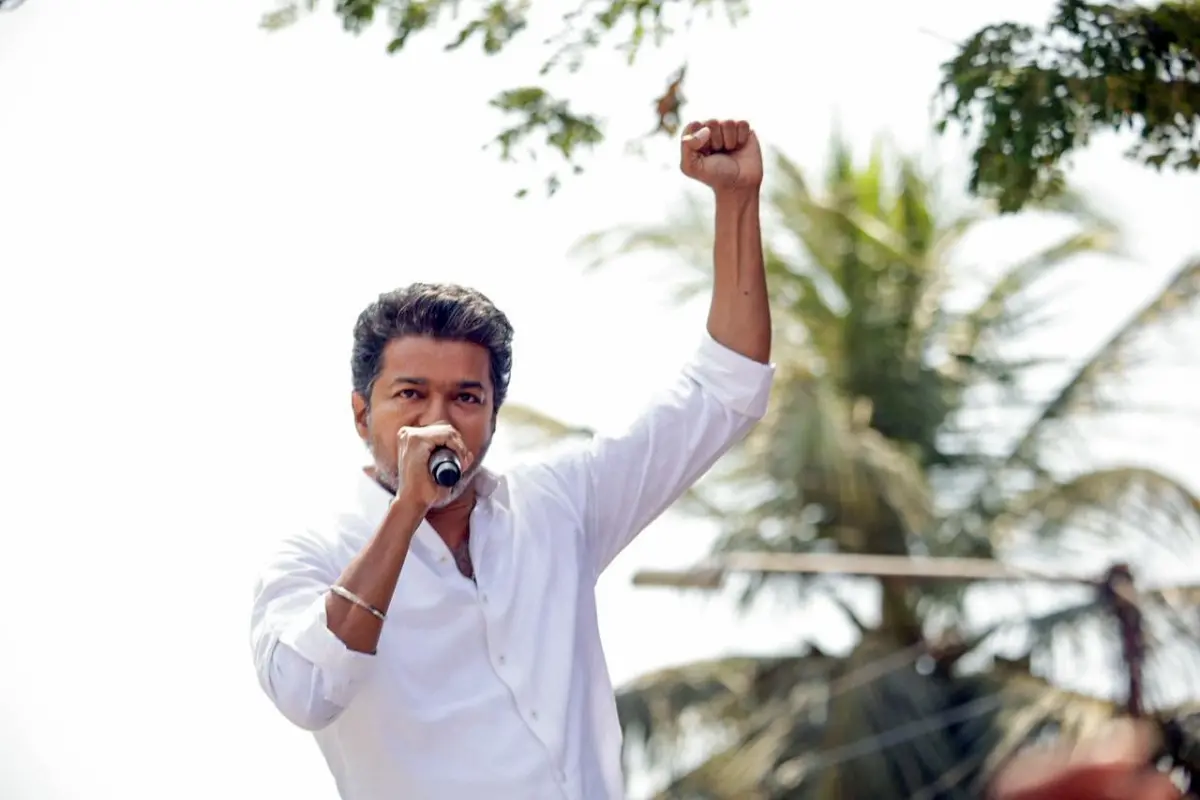
Chennai: Police have filed criminal charges against Tamizhaga Vettri Kazhagam (TVK) chief Vijay and several party members for alleged violations of the Model Code of Conduct (MCC) during a campaign event in the city, authorities confirmed on Tuesday.
The Peravallur police initiated the case under multiple sections of the Bharatiya Nyaya Sanhita (BNS) 2023. According to police sources, the charges include Section 126 (2) for voluntarily causing obstruction, Section 189 (2), and Sections 223, 3(A), and 3(5).
The legal action follows a campaign rally in Perambur ahead of the April 23 Assembly elections. Investigators allege that TVK supporters gathered well before the officially permitted time, resulting in significant public inconvenience.
Campaign Disruptions
Officials noted that the actor-turned-politician's roadshow utilised approximately 30 sound systems, exceeding standard noise regulations and causing a major disturbance in the residential area. Furthermore, the large procession reportedly paralysed local traffic, preventing the smooth flow of vehicles throughout the afternoon.
The 2026 elections mark the highly anticipated political debut for Vijay's TVK. The Perambur rally served as the launch of his statewide campaign. Vijay is currently contesting two Assembly seats: Perambur in Chennai and Tiruchirappalli East.
Election Vigilance
The Election Commission of India has intensified its monitoring of high-profile candidates as the state prepares for the single-phase polls. While the TVK leadership has not yet released a formal statement regarding the First Information Report (FIR), party cadres maintained that the turnout was a spontaneous display of public support.
Police officials stated that the investigation is ongoing and further statements from the campaign organisers will be recorded to determine if additional permit violations occurred during the event.
With inputs from PTI