Explainer | Why Manoj Jarange ended his fast: The Maratha quota deal
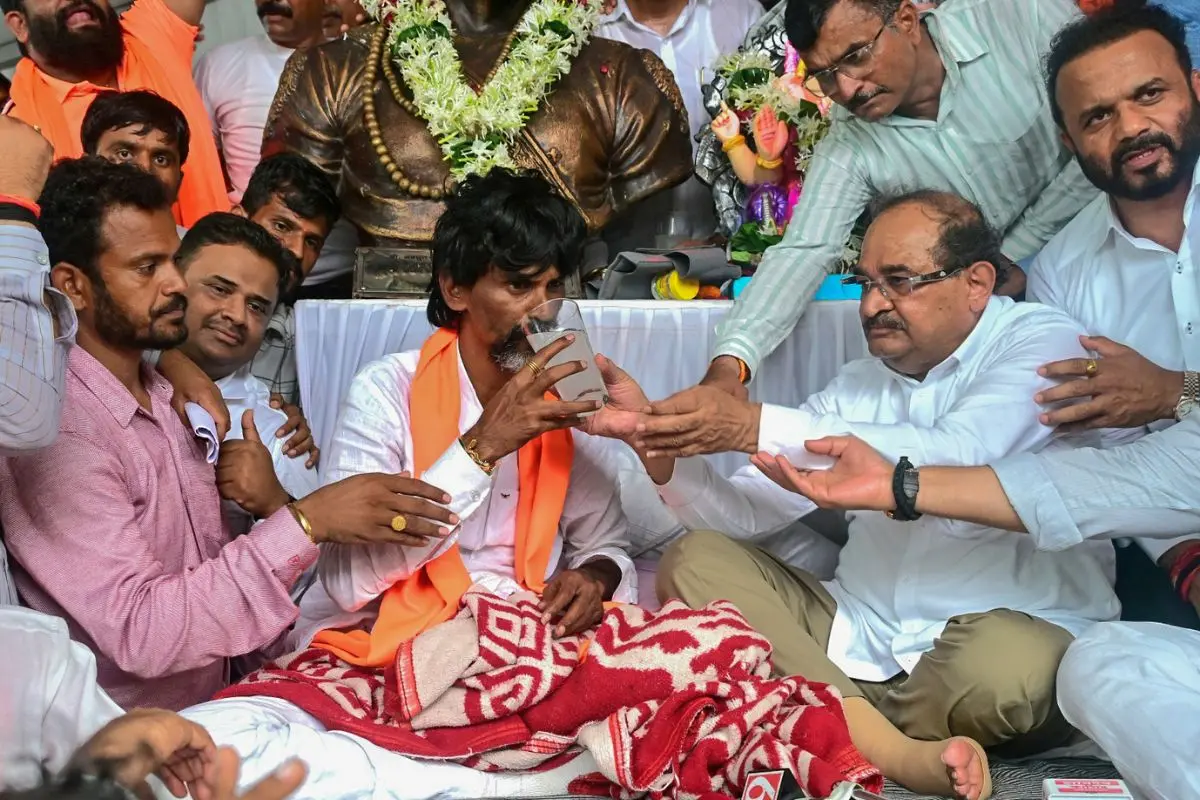
New Delhi: The long-standing agitation over Maratha reservation in Maharashtra took a significant turn on Tuesday as activist Manoj Jarange Patil ended his hunger strike after the state government agreed to a key demand: granting Kunbi caste certificates to eligible Marathas. The announcement, made at Mumbai’s Azad Maidan, sparked celebration among his supporters and marked what Jarange called a “victory for the Maratha community”.
Here’s a breakdown of the key developments.
Why was Manoj Jarange fasting?
Manoj Jarange, a prominent face of the Maratha quota movement, launched his hunger strike last week demanding that Marathas be recognised as Kunbis—an agrarian caste categorised under the Other Backward Classes (OBC) in Maharashtra. This classification would make them eligible for reservation benefits in education and government jobs under the OBC quota.
His central demand was the issuance of Kunbi caste certificates to all Marathas who could provide historical documentation proving such lineage.
What did the Maharashtra Government agree to?
On the fifth day of Jarange’s fast, the Maharashtra cabinet sub-committee on Maratha quota—headed by Minister Radhakrishna Vikhe Patil—accepted most of his demands, including:
Issuing caste certificates to Marathas with Kunbi lineage after proper verification.
Immediate issuance of a government resolution (GR) on the use of the Hyderabad Gazetteer for verifying claims.
Implementation of the Satara Gazetteer (another historical record) within a month.
Withdrawal of cases filed against Maratha protesters by the end of September.
Financial compensation and jobs for families of deceased protesters. Jarange said ₹15 crore has already been disbursed and the rest will follow shortly.
The GR issued by the government stated that scrutiny committees will be formed to verify historical records, ensuring the process is “time-bound and transparent”.
What is the Hyderabad gazetteer and why is it important?
The Hyderabad Gazetteer is a colonial-era document listing historical and social data of communities under the former Hyderabad State. It includes records identifying Marathas as Kunbis in certain regions, which Jarange and his supporters argue justifies their inclusion in the OBC category.
The government’s resolution to officially use this gazetteer as a basis for issuing caste certificates marks a major shift in its approach to the quota issue.
How did the court react?
Earlier on Tuesday, the Bombay High Court directed Jarange and his supporters to vacate Azad Maidan, stating that they did not have legal permission to protest there. The court criticised the state’s handling of the situation and threatened action if law and order were not maintained.
In response, Jarange’s lawyer, Satish Maneshinde, issued an apology to the court on behalf of the protesters. The court later allowed Jarange to remain at the protest site until Wednesday morning.
What happens next?
Jarange has said his team will leave Mumbai by 9 PM on Tuesday, following the government’s formal acceptance of demands. The protest at Azad Maidan, which had drawn thousands, is now expected to wind down peacefully.
However, the long-term solution to the Maratha reservation issue remains politically and legally sensitive. While the government’s use of historical gazetteers may help Marathas access OBC benefits on an individual basis, a blanket reservation policy for the community still faces legal hurdles and is subject to judicial scrutiny.
What does this mean for Mumbai and Maharashtra?
The development has brought temporary relief to residents of Mumbai, which had seen increased tension and disruption due to the protest. Security around Azad Maidan and CSMT was ramped up, and roads near the protest site were cleared of vehicles by police.
This compromise may ease pressure on the state government in the short term, but the underlying socio-political demands of the Maratha community remain an ongoing challenge.
In Jarange’s words:
"We will leave Mumbai if the Maharashtra government issues GRs on the Maratha quota demands," he said before ending his fast, later calling it a "win for the community".