Eggs exit Bengal mid-day meals as ISKCON takes charge; teachers fear students may not adapt
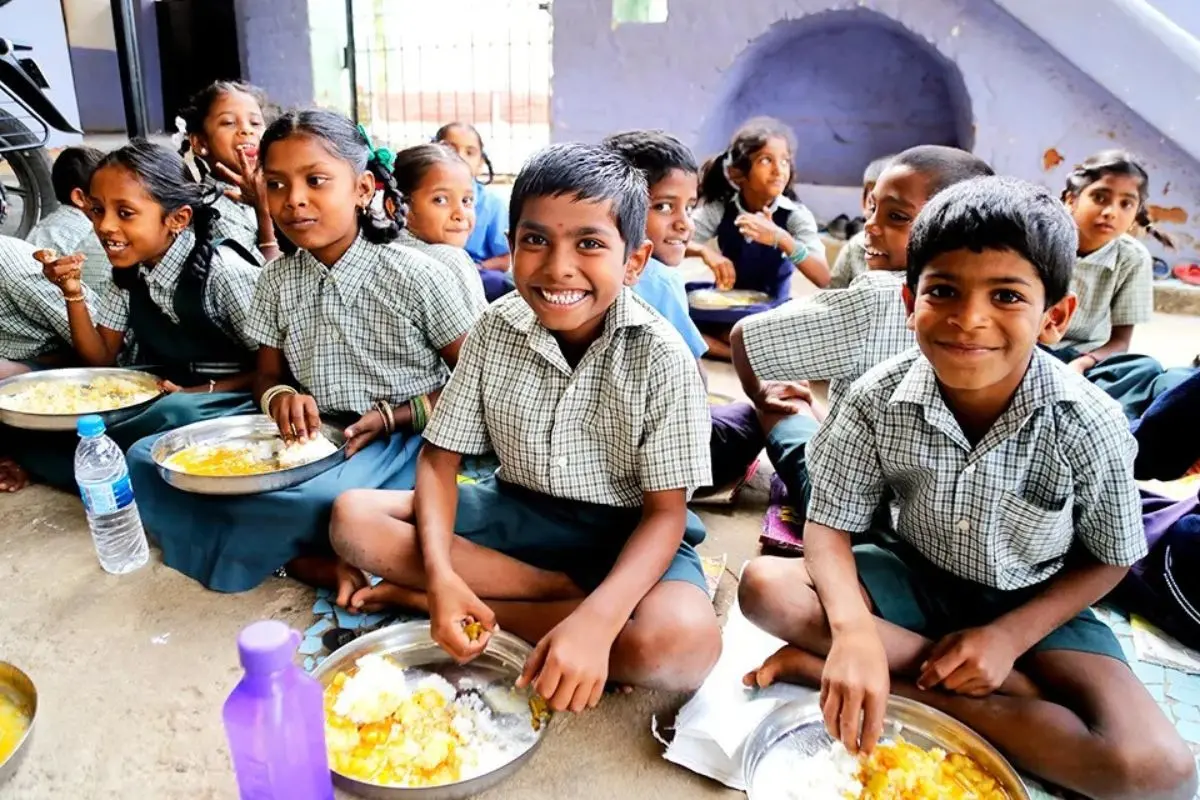
Kolkata: Eggs, long considered a vital source of protein for schoolchildren in West Bengal, are set to be removed from the mid-day meal menu in government and aided schools under the Kolkata Municipal Corporation (KMC) area as the state government partners with the International Society for Krishna Consciousness (Iskcon) to provide cooked meals.
Announcing the move during the 2026-27 state budget, Finance Minister Swapan Dasgupta said the material cost for primary school mid-day meals would be increased from ₹6.78 to ₹10 per student.
He also announced that Iskcon would be engaged to provide ‘nutritious cooked mid-day meals’ in schools within the KMC area.
The decision marks a significant change in a state where eggs have been a regular feature of school meals and are widely viewed as an affordable and effective tool in tackling child malnutrition.
Under the existing system, students typically received an egg once a week alongside rice, dal and vegetables on other days. In several schools, teachers even pooled resources to occasionally provide chicken or fish to students.
Nutrition debate and questions over food choice
With Iskcon following a strictly vegetarian food philosophy, eggs will be replaced by alternatives such as paneer, rajma, soybeans and khichdi.
The organisation has maintained that nutritional standards will not be compromised.
Radharaman Das, vice-president and spokesperson of Iskcon Kolkata, said meals would be scientifically planned to ensure adequate protein intake.
Through its Annamrita Foundation, the organisation already supplies meals to more than one million students across multiple states and says it has experience operating large-scale school feeding programmes.
However, the move has generated concern among educators and nutrition advocates.
School heads and teachers point out that attendance often rises on days when eggs are served and fear that students may not readily accept unfamiliar items such as rajma and paneer.
Some teachers have argued that the issue is not merely nutritional but also about food preferences and choice.
Until now, students who did not consume eggs could opt for other items, but under the new arrangement all students will receive a vegetarian menu.
The decision has also triggered political debate. Opposition parties have accused the BJP government of attempting to influence food habits in a state where non-vegetarian food forms an important part of everyday culture.
Critics argue that removing eggs from school meals could alienate children accustomed to traditional Bengali diets.
The government and Iskcon, however, insist that the initiative is focused on improving meal quality, hygiene and delivery systems.
Officials have described the arrangement as a pilot project, with further details expected after schools are identified and implementation guidelines are issued.
The mid-day meal programme remains one of India’s largest nutrition schemes, covering nearly 1.11 crore students across West Bengal.
As the pilot rolls out in Kolkata, its impact on nutrition, student acceptance and school attendance will be closely watched.