‘How can public money be personal?’ Gokhale questions ECI over CEC’s trips
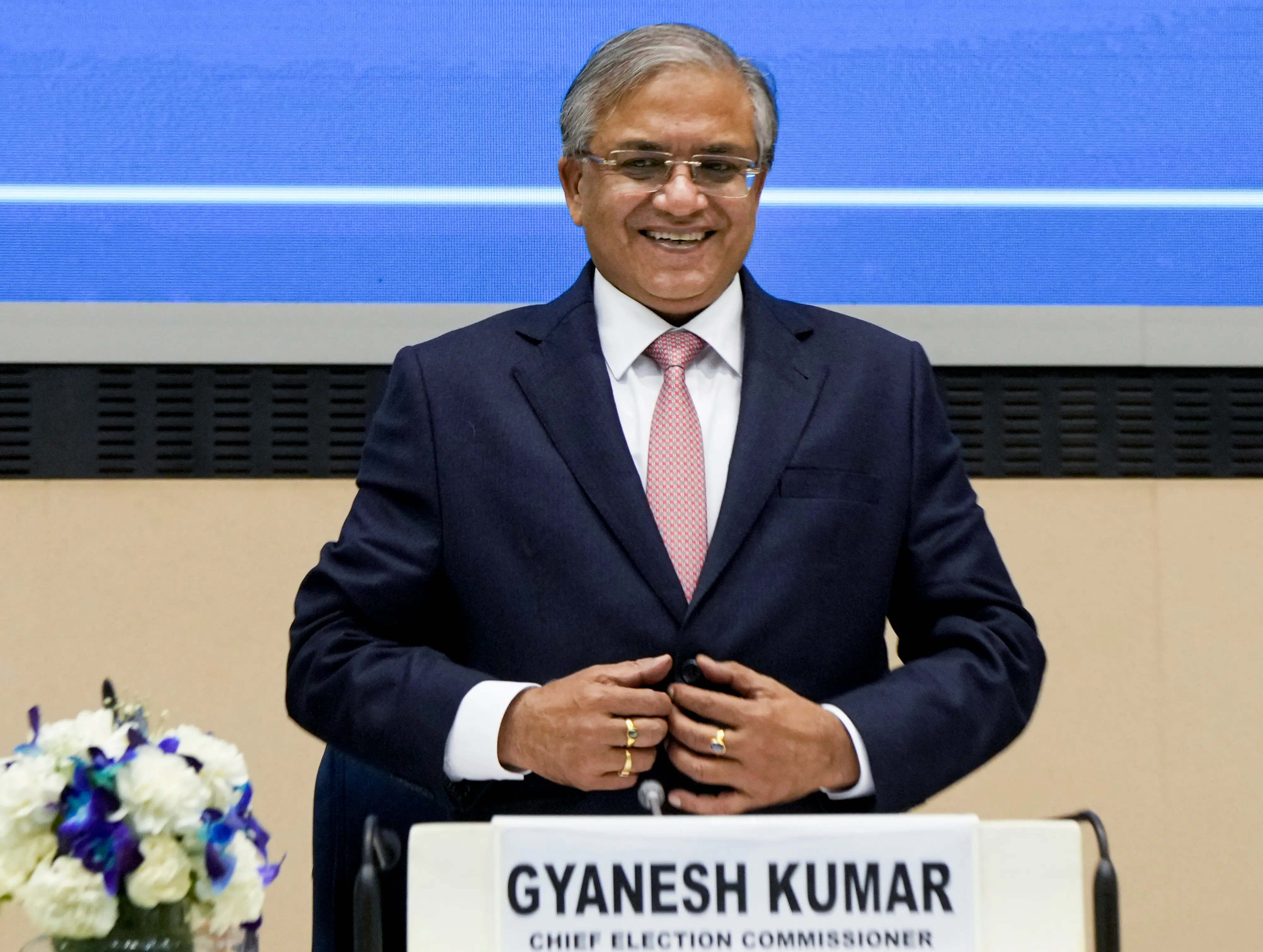
New Delhi: The Election Commission has reportedly declined to provide details of Chief Election Commissioner Gyanesh Kumar’s official visits and expenditure from public funds, citing “personal information” as the reason for withholding the details.
Former Trinamool Congress Rajya Sabha MP Saket Gokhale said he had sought details through the Right to Information Act about all official visits undertaken by CEC Gyanesh Kumar and the expenditure incurred from public funds.
According to Gokhale, the Election Commission refused to provide the information, classifying it as “personal information”.
The response has prompted Gokhale to question why expenditure incurred on official visits using public money should be treated as private information.
Gokhale questions ECI’s transparency
Gokhale criticised the decision in a post on X, arguing that the public should be able to know how much money is spent on official travel by a constitutional authority.
He also compared the issue with the disclosure of expenditure related to the Prime Minister's foreign travel, asking why similar information concerning the CEC should not be available.
Gokhale further questioned what expenditure was incurred during Gyanesh Kumar's official visits and called for greater transparency from the Election Commission.
What is the wider issue?
The dispute centres on the balance between transparency under the RTI framework and exemptions for personal information.
Gokhale's request concerns official travel and expenditure from public funds, while the ECI has reportedly invoked the personal-information provision to deny the requested details.
The episode has renewed debate over the extent to which information about the expenses of senior constitutional authorities should be accessible to the public.
What does the law say?
Under Section 8(1)(j) of the RTI Act, personal information can be withheld in certain circumstances, particularly where disclosure has no link to public activity or would invade privacy. However, the law also provides for disclosure where larger public interest justifies it.
The key issue is whether official travel and expenditure paid from public funds can legitimately be treated as personal information.
Gokhale argues that official travel funded by public money should be subject to public scrutiny. He has questioned why details of such expenditure are being withheld and asked what makes the CEC’s travel information different from other publicly funded official expenses.
Some social media users backed Gokhale’s transparency demand, while others asked him to disclose details of his own official travel and expenses as a former MP.
These are political and social-media reactions and do not establish wrongdoing by the ECI.
The dispute highlights the tension between RTI-based transparency and privacy exemptions, particularly when the information concerns spending by a constitutional authority from public funds.
Separate questions over ECI accountability
Gokhale has also criticised the Election Commission over other transparency-related issues, including its handling of information sought through RTI.
His latest criticism comes amid wider political scrutiny of the poll panel and its decisions, with opposition figures repeatedly demanding greater disclosure and accountability from the institution.
The ECI's reported RTI response, rather than the political criticism surrounding it, is the immediate issue at the centre of the controversy.
The key point is that Gokhale sought information about official travel and public expenditure, while the ECI reportedly refused it by citing “personal information”.
Whether such information can legitimately be withheld depends on the precise nature of the records requested and the applicable RTI exemptions. The refusal itself does not establish that the expenditure was improper or that the ECI violated the law.
The controversy is therefore primarily about public disclosure, RTI exemptions and institutional transparency.