‘Draconian and designed to target opposition’: MP John Brittas slams new bill on arrested ministers
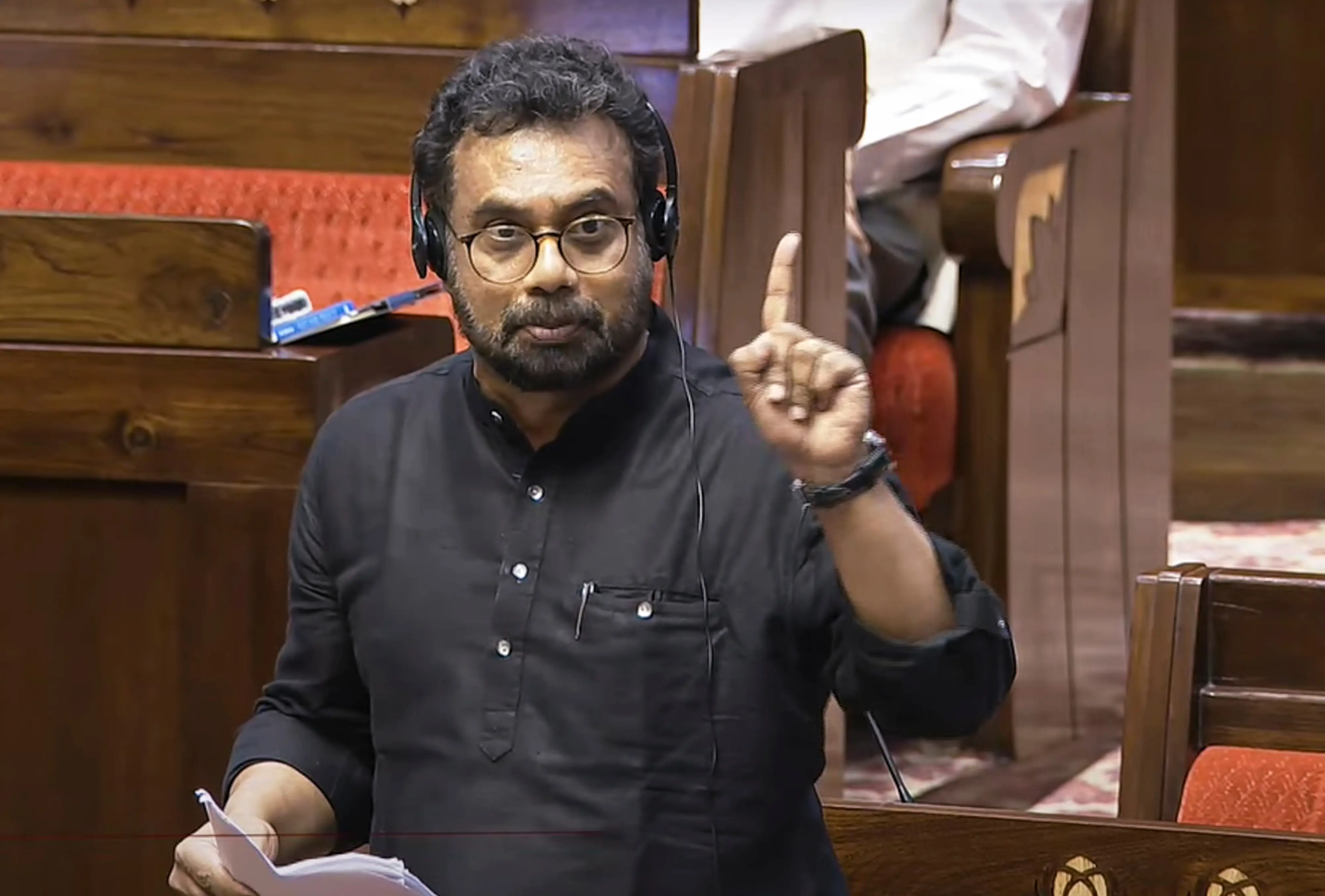
New Delhi: Rajya Sabha MP John Brittas has strongly criticised the new bill proposed by Union Home Minister Amit Shah, calling it “draconian” and alleging that it is aimed at destabilising opposition-led state governments and undermining India’s federal structure.
In a post on social media platform X, Brittas stated, “The new bill by Union Home Minister Shri Amit Shah, purportedly in the name of “public interest, welfare, and good governance,” is, in reality, draconian and designed to destabilize opposition-led state governments while undermining India’s federal structure."
He warned that in the current political climate, where central agencies are often accused of being weaponised against opposition leaders, the bill could be misused for ulterior political motives.
"The bill’s reference to “constitutional morality” contradicts its spirit,” he added, arguing that it undermines the established principle that disqualification and punishment should only follow conviction by a court, not mere arrest or detention.
What does the bill propose?
The government has introduced three bills in Parliament that mandate the automatic removal of the Prime Minister, Union Ministers, Chief Ministers, and State/UT Ministers if they are arrested and detained for 30 consecutive days on charges that attract a minimum punishment of five years or more.
The proposed bills are:
The Constitution (130th Amendment) Bill, 2025
The Government of Union Territories (Amendment) Bill, 2025
The Jammu and Kashmir Reorganisation (Amendment) Bill, 2025
As per the draft, if such leaders fail to resign by the 31st day of detention, they will automatically cease to hold office, regardless of whether the charges have been proven in court.
Why is it controversial?
Critics like Brittas argue that the bill violates the principles of natural justice and presumption of innocence, enshrined in the Representation of the People Act (Section 8), which ties disqualification to conviction, not arrest.
Many see this move as a way to politically target opposition leaders.