DMK backs Centre's delimitation Bills, MPs to sit separately from INDIA bloc in Lok Sabha
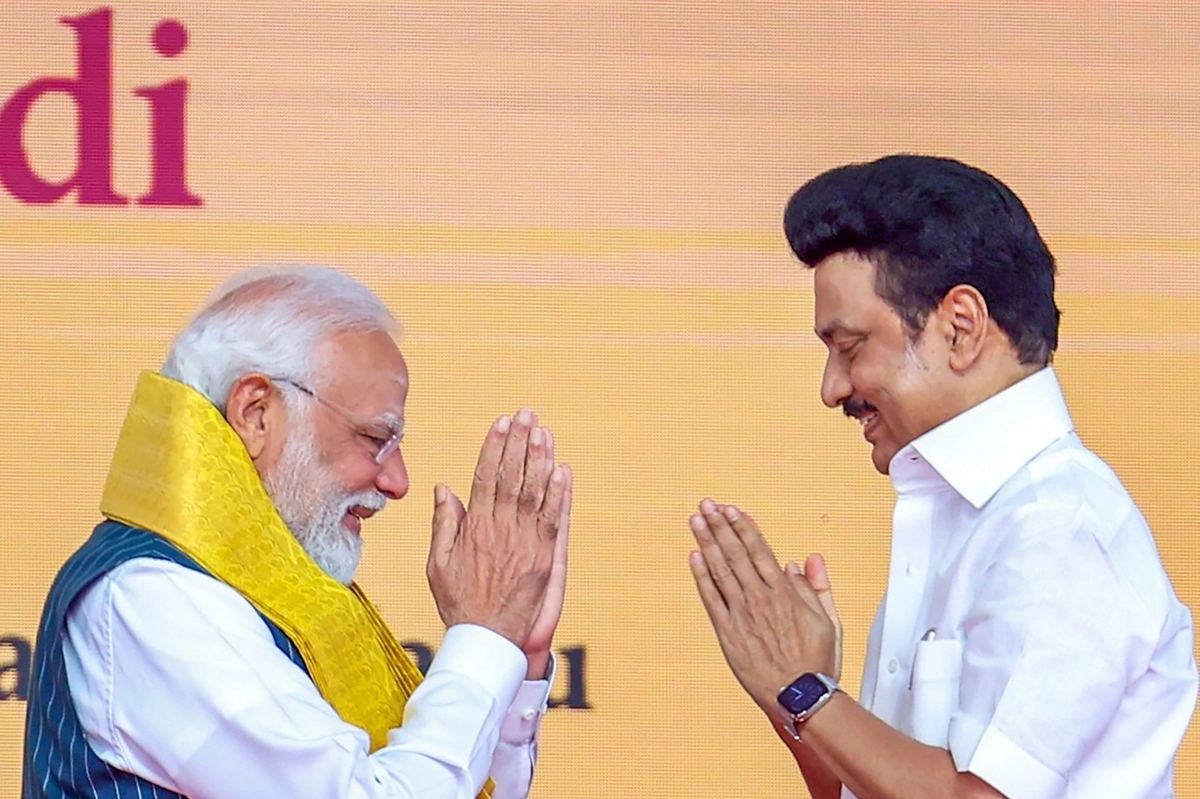
Chennai: The Dravida Munnetra Kazhagam (DMK) has decided to support the Centre's revised delimitation Bills, with its Lok Sabha MPs set to sit separately from the INDIA bloc during the upcoming special session of Parliament.
The Lok Sabha Secretariat has revised the seating arrangements for 97 MPs ahead of the session beginning Monday, November 30. The reshuffle moves the DMK's 22 MPs away from their previous seating arrangement with opposition parties and places them on the Treasury side, according to reports. The change came hours after the party formally announced its support for the revised legislation.
The seating change follows a request made by DMK MP Kanimozhi in May. She had written to the Lok Sabha Secretariat seeking separate seating after the political relationship between the DMK and Congress deteriorated in Tamil Nadu. Congress had backed actor-politician Vijay's Tamilaga Vettri Kazhagam (TVK) in the formation of the state government.
The latest seating reshuffle also affects MPs from the Samajwadi Party, the NCP (Sharadchandra Pawar), the Shiv Sena (UBT) and the Congress. NCP (SP) MP Supriya Sule is among those whose seating has changed and will now sit alongside DMK MPs Kanimozhi and Dayanidhi Maran.
Why has the DMK decided to support the Bills?
The DMK announced its decision after a meeting of the party's MPs chaired by president MK Stalin in Chennai on Saturday. The party had opposed the Centre's earlier constitutional amendment in April, arguing that the proposed delimitation exercise could affect the political representation of southern states.
Stalin said the revised proposal had incorporated two key demands made by the DMK in writing. These include protecting Tamil Nadu's share of representation in the Lok Sabha despite the proposed expansion of the House and maintaining the existing balance of representation among states for another 25 years.
Senior DMK leader and MP A Raja confirmed that the party would support the revised Bills. The party has 22 MPs in the Lok Sabha and eight in the Rajya Sabha.
How could DMK's support affect the Centre's numbers?
The DMK's backing could strengthen the government's position as it seeks to pass the constitutional amendment. Such an amendment requires a majority of the total membership of each House of Parliament, along with the support of at least two-thirds of members present and voting.
The DMK's 22 Lok Sabha MPs had voted against the earlier proposal in April. Their decision to support the revised legislation changes the parliamentary arithmetic ahead of the November 30 sitting. However, the final outcome will depend on the number of MPs present and voting and the positions taken by other parties.
The revised legislation proposes a 50 per cent increase in Lok Sabha seats allocated to every state and Union Territory. The proposed expansion would take the House's maximum strength to 850 members, comprising 815 seats for states and 35 for Union Territories.
The revised framework also seeks to protect the relative share of parliamentary representation among states for 25 years. This provision addresses concerns raised by southern states, including Tamil Nadu, that population-based delimitation could reduce their political influence because of their progress in population control.
A change in the DMK's parliamentary position
The DMK's decision is significant because the party had been among the prominent opponents of the Centre's earlier delimitation proposal. Its support for the revised Bills follows the inclusion of safeguards that the party says protect Tamil Nadu's representation.
The seating rearrangement also reflects the changing political relationship between the DMK and Congress following their differences in Tamil Nadu. However, the DMK's decision to back the delimitation Bills and its MPs' revised seating arrangement should not, by themselves, be interpreted as a formal announcement that the party has joined the BJP-led NDA.
The immediate significance is parliamentary: the Centre has secured the support of a party whose 22 Lok Sabha MPs had opposed the earlier version. The special session beginning November 30 will test whether the government can secure the constitutionally required majority for the revised proposals.