Is Modi government blocking lakhs of Instagram posts? Dhruv Rathee makes big claim
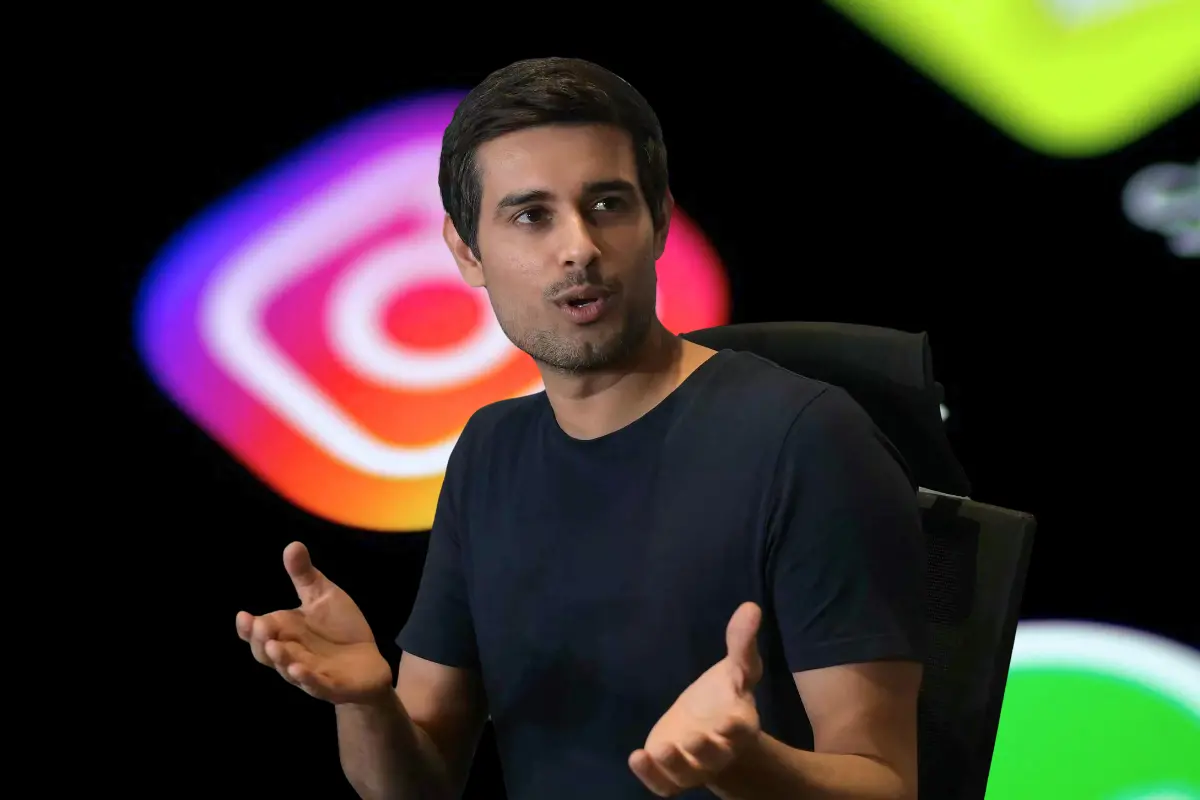
New Delhi: YouTuber Dhruv Rathee has alleged that lakhs of Instagram posts have been blocked in India, accusing the Narendra Modi government of issuing sweeping content-removal orders. His remarks have renewed debate over online censorship, government blocking powers and freedom of expression, amid complaints from the Cockroach Janata Party (CJP) about restrictions affecting its social media accounts.
“Lakhs of Instagram Posts BLOCKED by Modi Govt!” Rathee wrote in a post on X.
He claimed that posts across different political viewpoints, including content supporting Modi, were being affected. He also suggested that automated systems targeting particular hashtags could be responsible for some restrictions. Rathee estimated that removals over the preceding six months could amount to around one post per minute, although this figure has not been independently verified.
He urged users to save links to posts that become unavailable in India, suggesting that the material could be collected on a common platform. Rathee also argued that information could continue circulating through offline networks, saying: “Even in a country like North Korea, which is under a complete dictatorship, it is not possible for the government to censor everything.”
How the CJP protests brought Instagram restrictions into focus
Rathee's allegations follow months of complaints from CJP, founded by Abhijeet Dipke, about restrictions affecting its online presence.
In May 2026, CJP's X account was withheld in India following a legal demand. Dipke also reported problems accessing Instagram accounts and the movement's website. The Indian Express reported that the government cited national security concerns in connection with the X restriction.
The dispute intensified in July, when CJP held protests at Jantar Mantar in New Delhi over examination-related concerns and demanded the resignation of Union Education Minister Dharmendra Pradhan.
On July 22, Instagram briefly restricted CJP's official account in India before restoring access. Dipke blamed the government, writing on X: “Cockroach Janta Party’s Instagram account has been taken down by Narendra Modi.”
Some independent journalists and creators also reported restrictions affecting videos related to the demonstrations.
Dipke says restrictions will not stop public questions
Dipke has argued that removing posts or suspending accounts will not resolve the issues prompting public criticism. He maintains that concerns over examination irregularities, recruitment, unemployment and governance will persist even if social media accounts are blocked.
For CJP, social media has been a key channel for sharing political messages, documenting protests and reaching supporters. Restrictions can reduce the visibility of its content, but they do not necessarily address the grievances being discussed.
Whether individual restrictions were unlawful or unjustified must be assessed on the evidence and legal grounds applicable to each case.
Why are Instagram posts being restricted in India?
Section 69A of the Information Technology Act, 2000, allows the government to direct the blocking of public access to online information on specified grounds, including national security, sovereignty, public order and the prevention of certain offences. The process is governed by the Information Technology Blocking Rules, 2009.
Platforms may restrict content in response to legal requests, but a post becoming unavailable does not, by itself, establish why it was blocked or whether the decision was justified.
Critics argue that limited transparency can make it difficult for users to understand or challenge restrictions, particularly when political commentary, satire or journalism is affected.
Why the controversy matters
Dhruv Rathee's allegations raise questions about whether restrictions are limited to specific content or may also affect unrelated posts through automated moderation systems. That broader claim has not been independently established.
The reported cases involve different accounts and circumstances and should not automatically be treated as evidence of one coordinated crackdown. Establishing the scale of the alleged censorship would require information about the number of posts restricted, the orders issued and the reasons for each action.
The controversy highlights the need for transparency in government content-blocking requests and platform moderation decisions, as well as effective ways for affected users to challenge restrictions.