Dharavi 'ineligible' residents face move to hazardous Deonar site, bypassing environmental norms
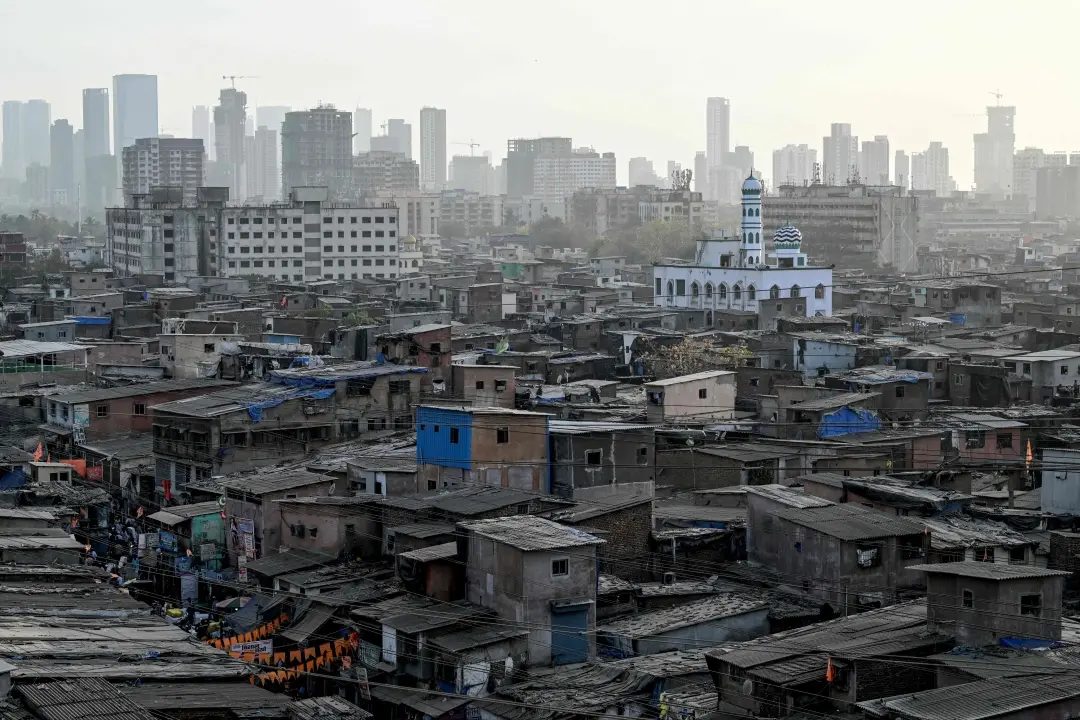
According to report, the relocation plan lacks essential legal backing. Despite the scale of the proposed housing at Deonar, no public consultations or stakeholder engagement have been conducted so far — a mandatory requirement under environmental law. Legal experts argue that bypassing due process in a project of this magnitude could set a dangerous precedent in urban planning and housing policy.
The investigative report by The Indian Express mentioned Deonar dumping ground, operational since 1927, has long been associated with severe air pollution, recurring fires, and respiratory health concerns among nearby populations. Several studies by the Maharashtra Pollution Control Board (MPCB) and independent researchers have flagged alarming levels of toxic gases including methane, hydrogen sulphide, and volatile organic compounds.
Impact on vulnerable populations
Activists have pointed out that the move disproportionately affects economically vulnerable families, many of whom were deemed “ineligible” under a 2000 cut-off date that critics say is arbitrary and discriminatory. “These families have lived in Dharavi for decades but are being pushed to one of the most hazardous zones in Mumbai,” said a representative of the Ghar Bachao Ghar Banao Andolan, a local housing rights movement.
A joint letter from environmental groups and urban policy experts has been sent to the Ministry of Environment, Forest and Climate Change (MoEFCC), demanding a stay on all construction at the Deonar site until an independent environmental assessment is carried out. Some legal petitions are also reportedly being prepared for filing in the Bombay High Court.
Political implications and accountability gaps
While senior government officials maintain that the plan is essential for the success of the Dharavi Redevelopment Project — often touted as one of India’s most ambitious urban renewal efforts — the mounting opposition is turning it into a political flashpoint. Activists, environmentalists, and some opposition leaders have called for a judicial inquiry into how the land transfer and approvals were sanctioned without adherence to existing laws and safety norms.
The Chief Minister’s Office (CMO) has yet to respond to requests for comment. Meanwhile, questions persist over the role of Navbharat Mega Developers Pvt Ltd (NMDPL), particularly regarding its responsibilities under the public-private partnership model. Experts say the failure to coordinate land clean-up, assess risk, and obtain clearances could amount to gross negligence.
Growing demand for project reassessment
Urban planners are urging the Maharashtra government to reassess the relocation strategy, suggesting alternatives like in-situ rehabilitation, mixed-use redevelopment, or tapping underutilised government land in safer zones. “Housing should not come at the cost of health and dignity,” said a senior planner at the National Institute of Urban Affairs.
With growing public scrutiny and potential legal challenges ahead, the future of the Deonar relocation component of the DRP hangs in the balance.