47 lakh names deleted: What Delhi voters need to know before December 4
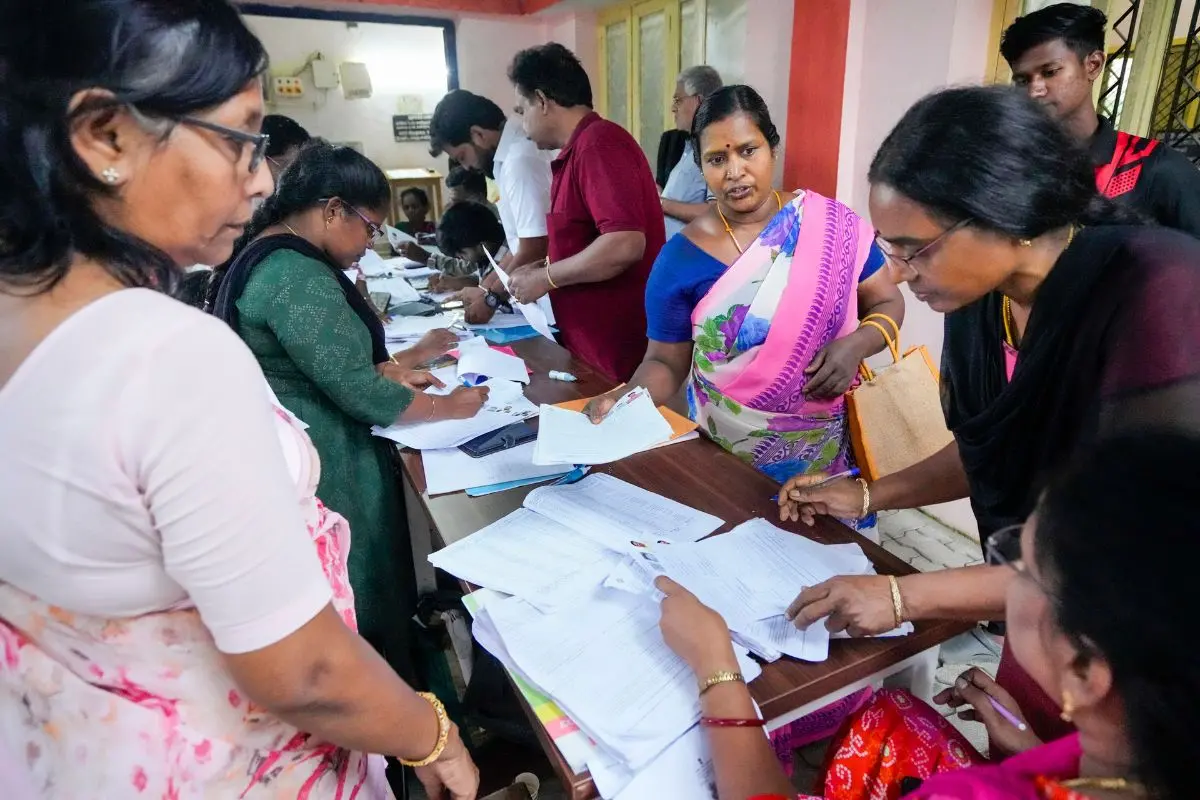
New Delhi: Delhi election officials have resolved around 20 lakh of the 33 lakh cases in which voters received notices over discrepancies in their details or because their names could not be mapped to the 2002 electoral rolls during the ongoing Special Intensive Revision (SIR).
According to the Delhi Chief Electoral Officer’s (CEO) office, a proactive campaign has been launched to help voters address these discrepancies. Officials have urged those facing issues with their electoral details to approach election authorities for assistance.
The CEO’s office said the Election Commission of India and the Delhi election administration were committed to ensuring that no eligible voter was excluded from the electoral rolls.
Special camps to help voters resolve discrepancies
Voters can contact any of Delhi’s 14,947 booth-level officers (BLOs), 902 assistant electoral registration officers (AEROs), 70 electoral registration officers (EROs), 13 district election officers (DEOs) or the Chief Electoral Officer to seek assistance.
Special camps are also being organised to help voters resolve SIR-related issues. The next camps are scheduled for October 18 and October 25, when BLOs will assist electors with their concerns.
The claims and objections window for the ongoing revision will remain open until October 30. Election officials are expected to dispose of the submissions by November 30, ahead of the publication of the final electoral rolls on December 4.
Over 47 lakh names removed from draft rolls
More than 47 lakh voters were removed from Delhi’s draft electoral rolls, which covered an electorate of around 1.45 crore.
The deletions were categorised as absent, shifted, dead and duplicate (ASDD) voters. Separately, notices were issued to around 33 lakh voters over logical discrepancies involving details such as names, ages and other information, or because their records could not be mapped to the 2002 electoral rolls.
The notices triggered criticism after several prominent figures, including Delhi Chief Minister Rekha Gupta, former chief minister Arvind Kejriwal, senior BJP leader L.K. Advani, former vice-president Jagdeep Dhankhar and senior advocate Kapil Sibal, were reported to have received them.
The CEO’s office has said the notice process is intended to address discrepancies and does not automatically mean that a voter’s name has been deleted from the electoral roll.
Over 2.17 lakh people apply for voter registration
Since the electoral rolls for Delhi’s 70 Assembly constituencies were published on August 31, a total of 2,17,391 people have submitted Form 6 to register as voters, according to the CEO’s office.
Eligible applicants who submit Form 6 along with the required documents will be included in the electoral rolls, the office said.
Voters who have not registered or need to correct their details should use the remaining claims and objections period to contact election officials and submit the necessary documents.
What the Delhi SIR figures mean
The SIR is intended to review electoral rolls and identify entries that may require verification. The figures released by Delhi election officials cover two distinct processes: the removal of names from the draft rolls under categories such as absent, shifted, dead and duplicate, and the issuance of notices to voters whose details contain discrepancies or could not be mapped to older electoral records.
These figures should not be treated as interchangeable. The 47 lakh deletions refer to names removed from the draft rolls, while the 33 lakh notice cases concern voters whose records were flagged for verification. The resolution of around 20 lakh notice cases does not, by itself, establish how many voters have been confirmed, restored or removed from the final list.
The remaining claims and objections period is significant for voters who believe their names or details have been incorrectly recorded. The October 30 deadline for submissions, November 30 deadline for disposal and December 4 publication date mark the key stages before the final electoral rolls are issued.
The final list will clarify the outcome of the revision, including which eligible voters are included after the verification and claims process.