Cold snap deepens: Delhi experiences unforeseen rain amidst alarming 'very poor' air quality levels
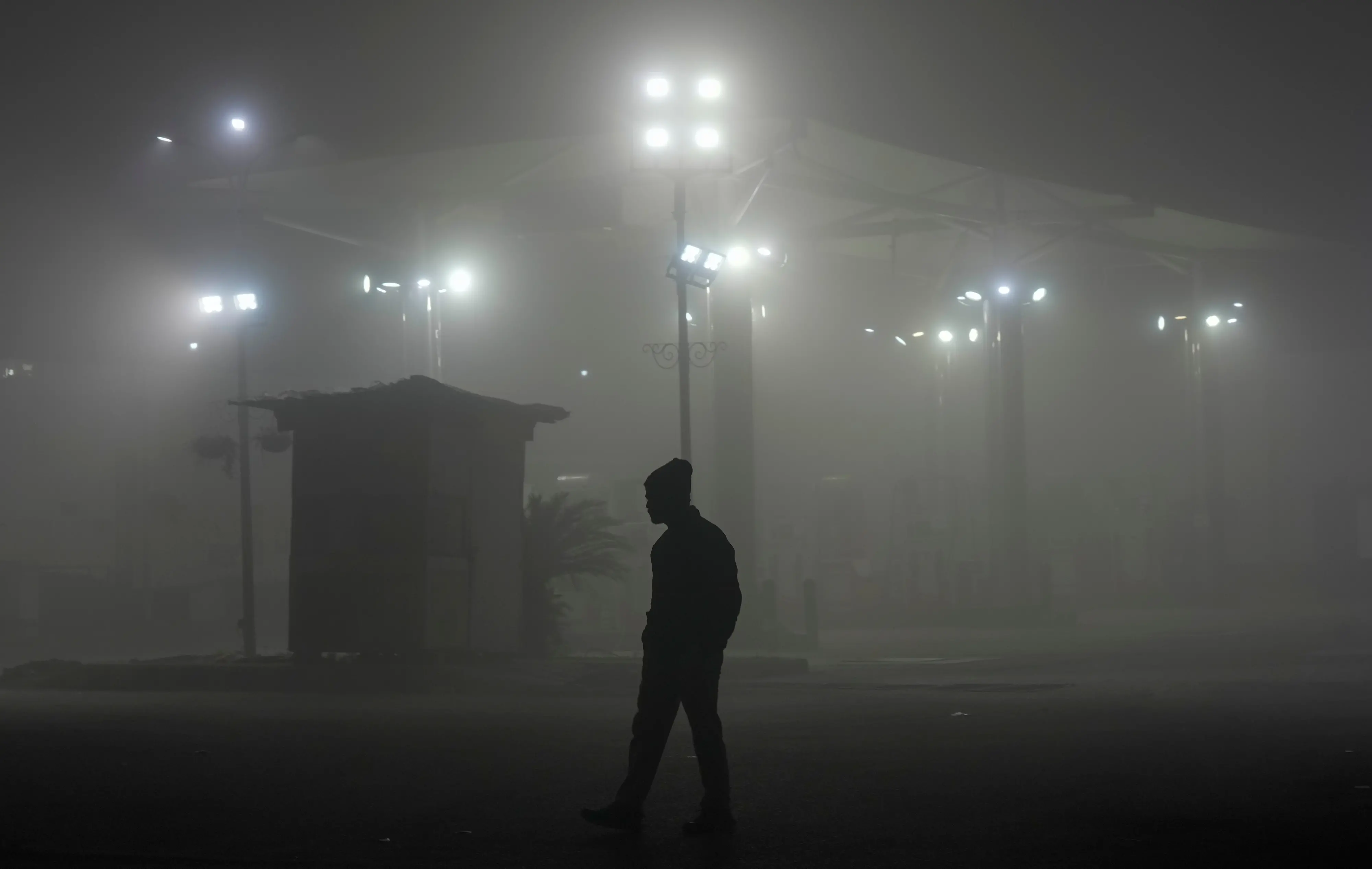
New Delhi: An unexpected spell of rain swept across Delhi and the National Capital Region (NCR) early Friday, intensifying the ongoing cold wave and catching many residents unprepared. Despite the rainfall, air pollution showed little improvement, with the Air Quality Index (AQI) staying firmly in the ‘very poor’ category.
Dark clouds covered the city before showers began around 6 am in several areas. Rainfall was moderate to heavy initially before turning light, while cold northwesterly winds further increased the chill. Parts of Gurugram also received rain, although no specific rain alert had been issued earlier.
According to the India Meteorological Department (IMD), Delhi’s minimum temperature is expected to remain around 5 degrees Celsius, with the maximum likely to be between 16 and 17 degrees Celsius. On Thursday, Safdarjung recorded a minimum of 5.8 degrees Celsius, nearly one degree below normal, marking the coldest morning of the season so far. Lodhi Road recorded 6.1 degrees Celsius.
Although rainfall often helps improve pollution levels, Delhi’s air quality remained severely compromised. At 8 am, the AQI was recorded at around 321, categorised as ‘very poor’, with several stations reporting alarming pollution readings.
Data from the Central Pollution Control Board (CPCB) showed Anand Vihar recording an AQI of 385, Chandni Chowk 335, Dwarka 346 and Wazirpur 336. Vivek Vihar reported one of the worst levels at 368, while IGI Airport recorded an AQI of 252. In Bawana, the AQI stood at 276, ITO reported 307, Jahangirpuri 340, Mundka 326 and Wazirpur 336.
Neighbouring NCR cities continued to experience polluted air as well. Ghaziabad recorded an AQI of 286, Noida deteriorated further to 370, and Gurugram reported AQI levels between 238 and 385 at different locations.
Delhi also continues to reel under intense cold conditions. On Thursday, Palam recorded the lowest minimum temperature at 4.8 degrees Celsius, while Ridge and Ayanagar reported 5.8 degrees Celsius. Maximum temperatures remained below normal across most weather stations.
Meanwhile, the IMD has warned of heavy rainfall in parts of southern India, while dense fog and severe cold conditions are expected to persist across northern and central regions. Minimum temperatures across North India are unlikely to see any major change over the next three to four days. Light to moderate fog is expected during mornings, with partly cloudy skies likely in some areas between January 10 and 12.
With no significant western disturbance forecast and no major rainfall expected in the coming days, Delhi and NCR are likely to continue facing harsh winter conditions coupled with poor air quality.
IANS