CJP protest crackdown: Delhi Police plans passport cancellation for those accused of rioting
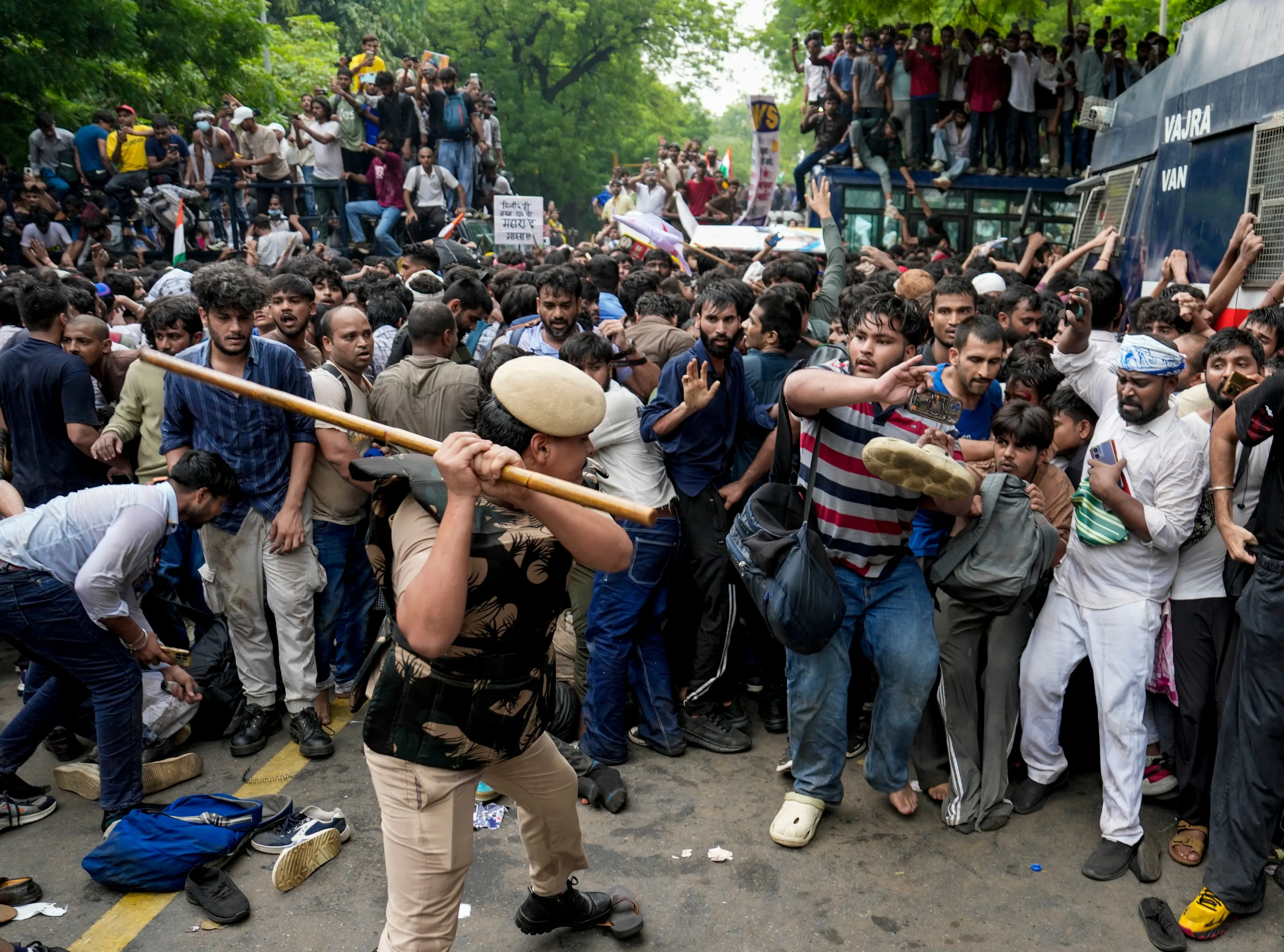
New Delhi: Delhi Police is set to begin passport cancellation proceedings against individuals identified as being involved in rioting during the Cockroach Janta Party's (CJP) Chalo Sansad march, signalling a stricter approach towards those accused of participating in violent incidents during protests.
The move will be taken along with other legal action under existing laws against those found responsible for violence, according to police officials. The decision comes after clashes broke out during the CJP's march towards Parliament on Monday, when protesters attempted to cross security barricades.
The police action has added a new dimension to the ongoing political dispute surrounding the NEET paper leak allegations, with the CJP accusing authorities of using excessive force against students and the government maintaining that law enforcement agencies acted to control an unlawful situation.
Violence during Chalo Sansad march
The confrontation took place during the CJP's Chalo Sansad march, organised as part of the group's campaign demanding accountability over alleged NEET examination irregularities and calling for the resignation of Union Education Minister Dharmendra Pradhan.
According to officials, protesters attempted to breach security barricades placed near Parliament. Security personnel responded by using tear gas shells, carrying out lathi charges and deploying anti-riot vehicles to control the situation.
Several protesters and police personnel suffered minor injuries during the clashes. The CJP claimed that its founder, Abhijeet Dipke, was detained following the incident.
The confrontation marked a major escalation in the agitation, which had earlier remained largely peaceful at Delhi's Jantar Mantar.
CJP announces nationwide protest call
Following the clashes, the CJP announced a nationwide peaceful protest on July 24, urging supporters to hold demonstrations in every district against what it described as police brutality against students during the NEET agitation.
The organisation appealed to student unions and other groups to coordinate locally, publicly highlight the demands raised by protesting students and express solidarity with those affected by the police action.
The party said the protests would remain peaceful and focused on raising concerns related to examination transparency, accountability and student rights.
Jantar Mantar protest gains momentum after clashes
Before Monday's confrontation, the protest at Jantar Mantar had remained limited in size, with students and activists gathering daily to demand action over alleged NEET irregularities.
However, the clash with police changed the scale of the movement. By Wednesday, a larger number of people began arriving at the protest site, with roads around Jantar Mantar witnessing increased crowds.
CJP organisers said they were no longer able to estimate the number of participants joining the agitation. Several protesters said videos showing the police action had influenced them to participate, with many arriving to express support for the students involved.
The increase in public participation has transformed the protest from a relatively small gathering into a wider movement drawing attention from political parties, student groups and civil society members.
What happens if a passport is cancelled?
If passports of individuals accused in the CJP protest violence are cancelled, they may lose the ability to travel abroad using those passports, as the document would become invalid. However, passport cancellation does not mean the person has been found guilty, as guilt can only be established through the judicial process. The action is an administrative measure that can be challenged through legal channels.
The move could have long-term consequences for those affected, including restrictions on international travel and complications related to work, studies or personal commitments abroad. The controversy lies in whether such action is a necessary step against those accused of violence or an excessive measure against people involved in a protest.
Centre and Opposition clash over NEET issue
The political battle over the protests also intensified, with the government and Opposition trading accusations over responsibility and accountability.
Union Minister Jitendra Singh accused Congress leader Rahul Gandhi of changing his position despite the government's willingness to hold discussions on the NEET issue in Parliament.
The government has maintained that it is ready for a debate and dialogue on examination-related concerns, while Opposition parties have continued demanding accountability from the Centre.
Congress leaders and MPs staged a protest outside Prime Minister Narendra Modi's official residence at 7, Lok Kalyan Marg, demanding action over the NEET issue and the alleged police response during the CJP march.
The party demanded the resignation of Union Education Minister Dharmendra Pradhan, a discussion on the examination controversy, an inquiry into the police action against protesters and accountability from the government.
Congress also raised demands targeting Prime Minister Narendra Modi and Union Home Minister Amit Shah over the handling of the protests.
Legal action and political pressure continue
The Delhi Police's decision to pursue passport cancellation proceedings represents an additional legal step against those accused of violent activities during the march. Passport restrictions are generally used as part of legal measures when authorities seek to prevent individuals facing serious allegations from leaving the country.
Meanwhile, the CJP continues to push ahead with its protest campaign, while the government has repeatedly called for dialogue over the issues raised by students.
With both sides maintaining their positions, the controversy surrounding the NEET allegations, police action and demands for political accountability continues to remain a major national issue.