Delhi moves fast on PG safety: New rules and portal due in 6 weeks
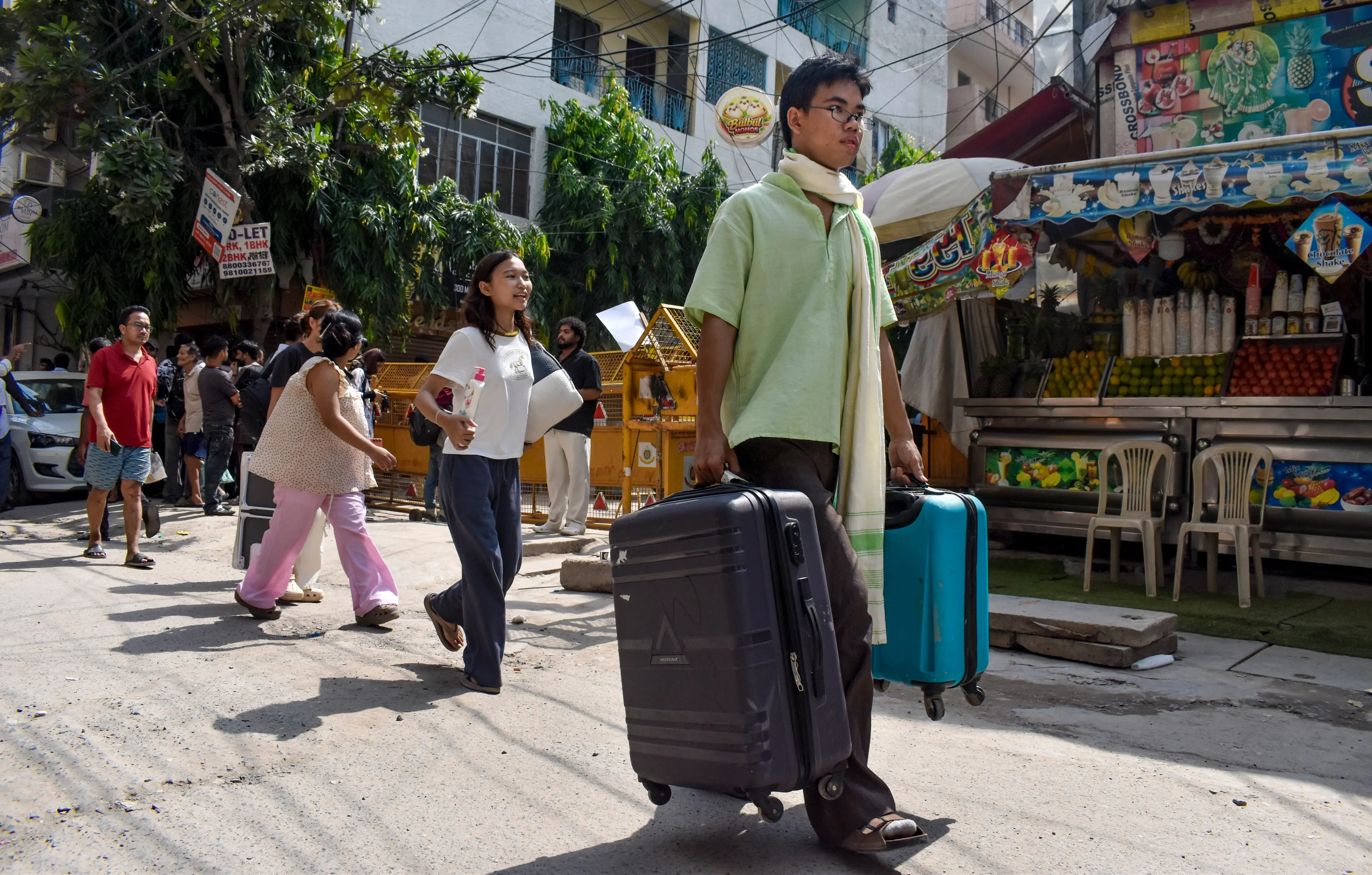
The Delhi government will roll out a comprehensive policy and web portal to regulate PG accommodations and coaching institutes across the city within the next six weeks, Education Minister Ashish Sood said on Tuesday.
The announcement came days after a building collapse in Satya Niketan that left seven people dead and several others injured. Sood said the government had already been working on student accommodation and PG regulation, but the incident had accelerated the process.
“We were already working on this, but this tragic incident has forced us to expedite the implementation of the Gauba committee report and formulate a policy,” Sood said.
What will the new PG policy cover?
Sood said the government is considering a common online portal where students and others could access details about PG accommodations, including availability, facilities and safety standards.
The move is aimed at addressing concerns raised by students about rent, promised facilities, agreements with operators and safety.
The minister pointed out that a PG property could have one owner, another person operating it and someone else collecting payments. This, he said, can make it difficult to ensure that agreements and promised facilities are properly implemented.
The government plans to consult PG operators, parents, agencies, student organisations and other stakeholders before finalising the policy. Departments dealing with services such as water and electricity will also be consulted.
The proposal will then be discussed with Chief Minister Rekha Gupta and the Lieutenant Governor before being placed before the Cabinet.
Why is the government focusing on student accommodation?
The shortage of affordable and safe accommodation remains a major concern for students coming to Delhi for higher education.
Sood said more than two lakh students from outside Delhi come to the city and require hostel accommodation, creating a significant gap between demand and available facilities.
The government is therefore looking at ways to increase hostel capacity alongside regulating private PGs.
More hostels and higher FAR
Sood said the Master Plan has already increased the permissible floor area ratio, or FAR, for hostels.
The government is also open to seeking support from the Centre for additional FAR to create more student accommodation.
It plans to facilitate the redevelopment of Delhi University hostels by providing increased FAR and speeding up building-plan approvals.
At the same time, Sood said private operators would continue to play a role because government and institutional hostels alone may not be enough to meet the demand.
Could Narela buildings be used for students?
The government is also examining whether vacant buildings in Narela could be converted into student accommodation.
According to Sood, bus services could connect such accommodation with educational institutions while helping provide students with a safer living environment.
What happens next?
The government intends to consult stakeholders before releasing the policy for public consideration within one to one-and-a-half months.
The proposed framework will include safety and security standards for PG accommodations, along with measures to improve transparency around operators, facilities and agreements.
Sood stressed that the work on PG regulation had begun before the Satya Niketan collapse but acknowledged that the incident had prompted the government to speed up the process.
The proposed policy could therefore mark a significant shift in how Delhi's growing network of private PG accommodations is monitored, particularly for students who depend on such housing because of the shortage of hostel facilities.
The proposed policy comes at a time when student safety and accommodation standards are receiving greater attention following the Satya Niketan collapse.
The key change could be the creation of a centralised system that makes basic information about PG properties, facilities and safety requirements easier to access and verify. However, the effectiveness of the policy will ultimately depend on how properties are registered, inspections are carried out and violations are enforced.
The government's parallel focus on expanding hostel capacity is also significant. Regulating private PGs alone may not solve the accommodation shortage if demand continues to outpace the availability of institutional housing.