Toxic air grips Delhi-NCR: 3 in 4 households report health issues, says survey
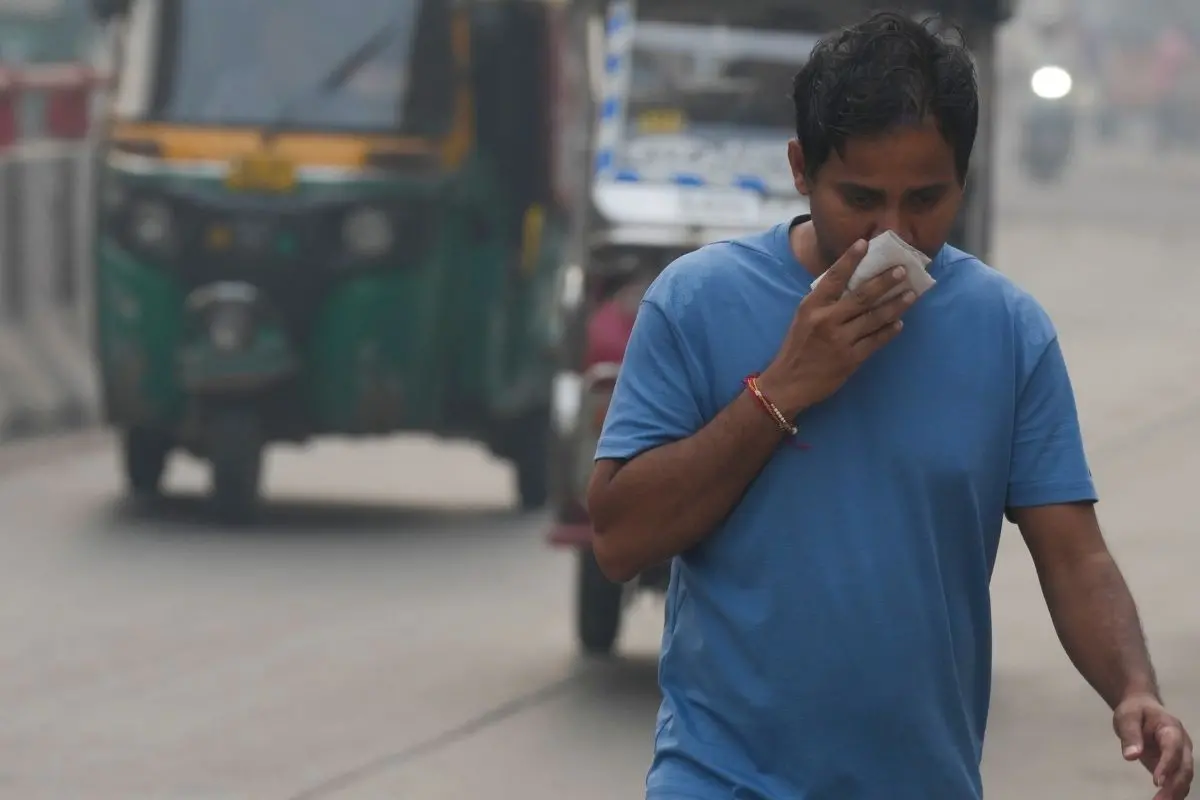
New Delhi: Three out of four households in Delhi-NCR are already experiencing the effects of toxic air, with residents reporting sore throats, coughs, burning eyes and disturbed sleep, according to an online survey conducted by citizen engagement platform LocalCircles.
The survey, which drew over 44,000 responses from residents across Delhi, Gurugram, Noida, Faridabad and Ghaziabad, found that 42 per cent of households reported one or more members suffering from sore throat or cough, while 25 per cent complained of burning eyes, headaches or difficulty sleeping. Around 17 per cent of respondents said family members were facing breathing problems or aggravated asthma.
LocalCircles said that 44 per cent of households were trying to cope with poor air quality by limiting outdoor exposure and consuming immunity-boosting foods and drinks. Nearly one-third of respondents said they had either consulted or planned to consult doctors for pollution-related ailments.
An analysis of Central Pollution Control Board (CPCB) data revealed that PM2.5 levels in Delhi-NCR touched 488 micrograms per cubic metre following Diwali — the highest in five years and more than three times the pre-festival level of 156.6 micrograms per cubic metre. Pollution levels peaked on Diwali night (20 October) and in the early hours of the following morning.
Despite a 77.5 per cent fall in stubble burning incidents in Punjab and Haryana — attributed to flooding and delayed harvests — Delhi’s air quality has remained poor, with the Air Quality Index (AQI) crossing 400 in several parts of the region. This is about 24 times higher than the World Health Organization’s recommended limit for PM2.5 exposure.
LocalCircles said the findings show that residents are “already feeling the impact of toxic air” and urged authorities to strictly enforce anti-pollution measures under the Graded Response Action Plan (GRAP). The group called for steps such as deploying smog guns, intensifying night-time sweeping, and reducing road dust.
According to CPCB data, Delhi’s overall AQI on Saturday morning stood in the “poor” category at 261, down from 290 a day earlier. However, Anand Vihar continued to record “severe” air quality with an AQI of 415, the highest among all monitoring stations.