Centre defends Delhi internet shutdown before Supreme Court; Home Secretary apologises
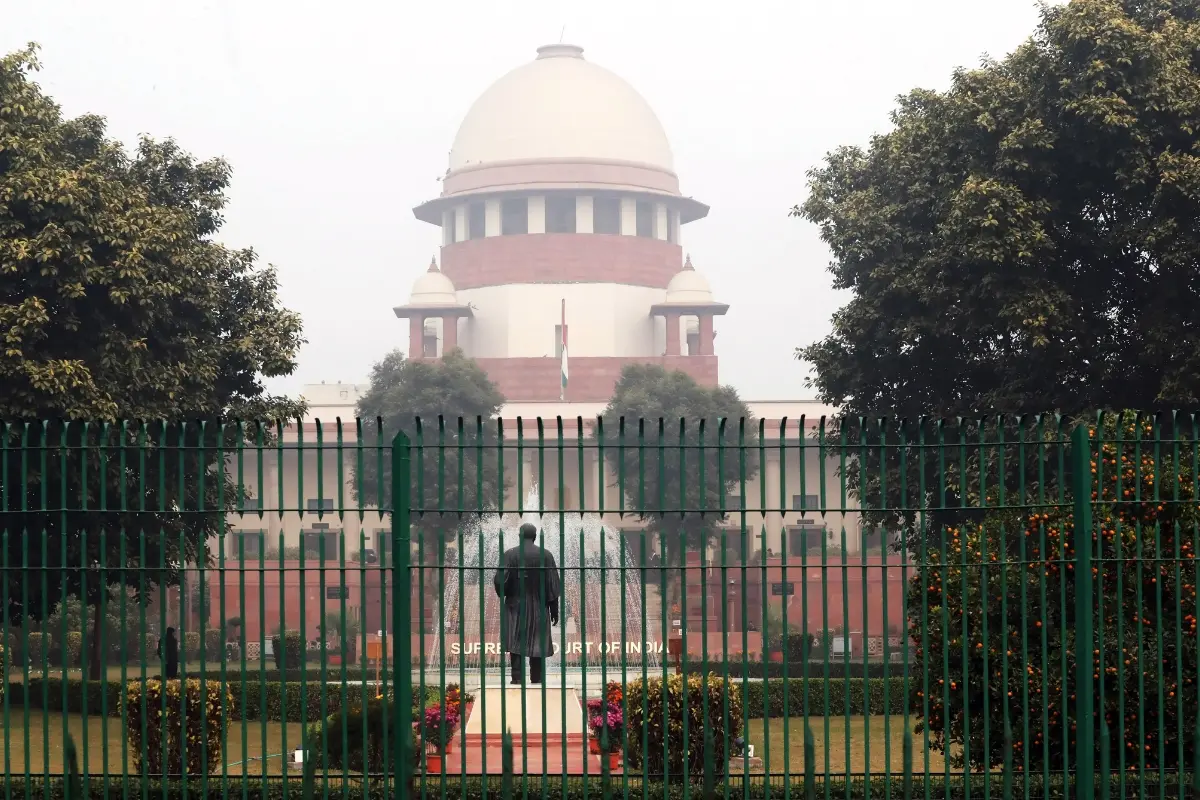
New Delhi: The Centre has defended its decision to suspend mobile internet services in parts of central Delhi ahead of the October 10 protest against Chief Election Commissioner (CEC) Gyanesh Kumar, telling the Supreme Court that the restriction was necessary to maintain public order. Union Home Secretary Govind Mohan has tendered an unconditional apology to the court after receiving a contempt notice over alleged non-compliance with its directions concerning the restrictions.
In a counter-affidavit filed late on Wednesday, Mohan maintained that the 24-hour suspension was a proportionate response to security concerns raised by Delhi Police ahead of the demonstration organised by the Cockroach Janata Party (CJP). The Centre has also sought a modification of the Supreme Court's October 11 order to permit internet suspensions when necessary, subject to legal requirements and safeguards.
The government denied that the shutdown amounted to a wilful violation of the court's directions and sought relief from the contempt proceedings against the Home Secretary.
Why did the Centre suspend internet services in Delhi?
According to the affidavit, mobile internet services were suspended from 10 pm on October 9 to 10 pm on October 10 within a four-kilometre radius of Raisina Hill.
Mohan said the decision followed a request from Delhi Police, which had apprehended a possible law-and-order situation during the proposed protest. The Centre argued that the restriction was limited in duration and geographical scope and was necessary to prevent a disturbance of public order.
The affidavit clarified that the suspension applied only to cellular internet services. Non-cellular internet connections, including Wi-Fi and broadband, were not affected.
The government cited security concerns surrounding the planned gathering, particularly after organisers indicated that they intended to proceed despite Delhi Police denying permission for the protest. It also referred to the police's experience during a similar episode on July 20, 2026, as part of its justification for imposing preventive restrictions.
Also read | Over 30 journalists detained during Delhi protests; press freedom groups condemn police action
Why did the Home Secretary apologise to the Supreme Court?
The apology came after the Supreme Court issued contempt notices on October 11 to Mohan, Delhi Police Commissioner Anurag Kumar and Delhi Metro Rail Corporation (DMRC) chairperson D. Thara over allegations that the authorities had failed to comply with its earlier directions.
On October 9, the Supreme Court had intervened over restrictions affecting public transport ahead of the protest. It directed the authorities to ensure that Delhi Metro trains and other trains entering the national capital were not completely prohibited from operating, while allowing necessary regulation to maintain public order.
The court also stressed that security arrangements should not cause undue hardship to the public and directed the authorities to communicate transport-related decisions widely so commuters could plan accordingly.
A subsequent contempt petition alleged non-compliance with the court's directions. During the proceedings, the court also directed that internet facilities should function unhindered.
In his response, Mohan tendered an unconditional apology but maintained that the internet shutdown was justified by the prevailing security situation. The Centre denied wilful disobedience and sought relief from the contempt proceedings. The apology does not, by itself, establish a finding of contempt by the court.
What has the Centre asked the Supreme Court to do?
The Centre has requested a modification of the Supreme Court's October 11 order to permit internet suspensions in situations where they are necessary, provided the decisions comply with the law and applicable statutory requirements and safeguards.
The government argued that temporarily suspending internet services within a defined geographical area can be a proportionate measure to maintain public order in appropriate circumstances.
The Supreme Court's consideration of the Centre's response will determine how the contempt proceedings and the request to modify the earlier order are addressed.
Also read | Dhruv Rathee faces defamation suit over Lord Ram, Sita video allegedly reuploaded after takedown
October 10 protest against CEC Gyanesh Kumar
The CJP had planned to demonstrate against the Election Commission of India (ECI) and Chief Election Commissioner Gyanesh Kumar over alleged irregularities in the Special Intensive Revision (SIR) of electoral rolls.
Delhi Police denied permission for the proposed gathering, citing the short notice given by the organisers. Extensive security restrictions were subsequently imposed across the national capital, and the demonstration was foiled by the police.
The Centre's affidavit has brought the internet shutdown into focus, with the government defending the restrictions on public-order grounds while seeking changes to the Supreme Court's directions.