Delhi IGIA reopens renovated terminal 2, boosting passenger capacity to 15 million
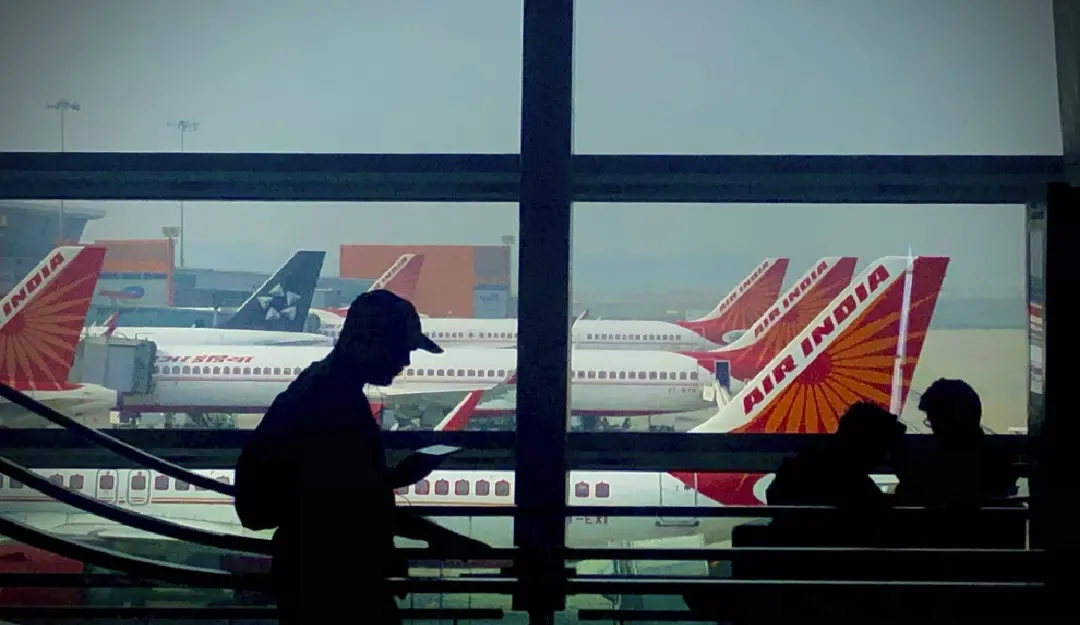
New Delhi: Civil Aviation Minister Rammohan Naidu inaugurated the newly renovated Terminal 2 (T2) at Delhi’s Indira Gandhi International Airport (IGIA), marking a major step in enhancing the airport’s overall passenger capacity and travel experience. The renovated terminal will become fully operational from Sunday, October 26, 2025.
Originally built by the Airports Authority of India (AAI) about four decades ago, Terminal 2 was temporarily shut down in April 2025 to undergo extensive modernisation and capacity expansion. After the upgradation, T2 can now handle up to 15 million passengers annually, helping Delhi Airport cater to India’s rapidly rising domestic air travel demand.
The Indira Gandhi International Airport, India’s busiest aviation hub, currently operates three passenger terminals, T1, T2, and T3 and four runways, managing more than 1,300 flight movements every day. The airport is operated by Delhi International Airport Limited (DIAL), a consortium led by GMR Group.
At the inauguration ceremony, Videh Kumar Jaipuriar, CEO of DIAL, said the opening of T2 further strengthens IGIA’s position as one of the world’s largest and most modern airports. “With the completion of this upgrade, Delhi Airport now has a total annual passenger handling capacity of over 100 million, placing it among the few airports globally to reach this scale,” Jaipuriar noted.
Earlier this year, DIAL announced that the expanded Terminal 1 (T1) can now handle 40 million passengers annually, while Terminal 3 (T3) has a capacity of 45 million passengers. The new T2 bridges the gap between them, adding both flexibility and resilience to Delhi’s terminal operations.
Key features
The renovated T2 has been designed with a focus on passenger convenience, technology integration, and sustainability. According to DIAL, the terminal combines advanced facilities with efficient design to make travel smoother and faster for passengers.
Self-Baggage drop (SBD) facility
For the first time at T2, passengers can check in their own baggage using Self Baggage Drop (SBD) machines. This feature allows travellers to scan their boarding pass, tag their baggage, and drop it off themselves, eliminating long queues at check-in counters. The move is expected to reduce waiting times and speed up the departure process.
Smart passenger boarding bridges (PBBs)
The upgraded terminal features six newly installed Passenger Boarding Bridges (PBBs) equipped with advanced docking technology, imported from South Korea. This is the first-of-its-kind implementation in India and allows for faster, more precise alignment between aircraft and the terminal gates.
Each bridge has been designed keeping both passenger comfort and safety in mind. The PBBs come with elevated ramps to support wheelchair users, adjustable cabins for smooth boarding, and side-covering cushions that improve both safety and aesthetics. The bridges also include swing doors for added operator safety and a modern, sleek design.
DIAL said these enhancements demonstrate its commitment to “providing passengers with a seamless, safe, and technologically advanced travel experience.”
From the intervening night of October 25–26, more than 100 flights operated by Air India and IndiGo will move their domestic operations to the upgraded Terminal 2.
The shift aims to optimise terminal operations and improve passenger flow across Delhi Airport’s three terminals.
In an official statement on X (formerly Twitter), Air India announced that 60 out of its 180 daily domestic flights will now operate from T2 starting October 26. The change, the airline said, will support ongoing expansion work at T3, which continues to handle all of Air India’s international flights.
“Starting 26th October 2025, Air India will adjust its domestic operations at Delhi Airport to support T3 expansion activities. Sixty domestic flights will shift to Terminal 2. All international operations will continue from T3,” the airline posted.
Passengers have been advised to check their flight and terminal details carefully before arriving at the airport to avoid confusion. Flight information will be updated in real-time on Air India’s website, mobile app, and 24/7 helpline.
IndiGo, India’s largest airline by market share, will also relocate a section of its domestic flights to T2 from the same night.
The nearest metro station to the renovated terminal is the IGI Airport Metro Station, located at Terminal 3, on the Delhi Metro’s Airport Express (Orange) Line. Shuttle and walkway facilities connect the metro station to Terminals 2 and 3, ensuring easy access for passengers.
The reopening of Terminal 2 marks another milestone in Delhi Airport’s long-term expansion plan. With air travel demand in India expected to grow steadily over the next decade, DIAL’s strategy focuses on capacity expansion, digitalisation, and passenger comfort.
Once fully integrated with the expanded T1 and T3, Delhi Airport will be able to serve over 100 million passengers annually, strengthening its role as a key international aviation hub in South Asia.
“The renovated T2 represents our ongoing commitment to making Delhi Airport one of the best in the world,” said Jaipuriar. “Every upgrade — from digital check-ins to improved infrastructure — is aimed at enhancing efficiency and passenger satisfaction.”