Peaceful dissent cannot be curbed on campus: Delhi HC restores student
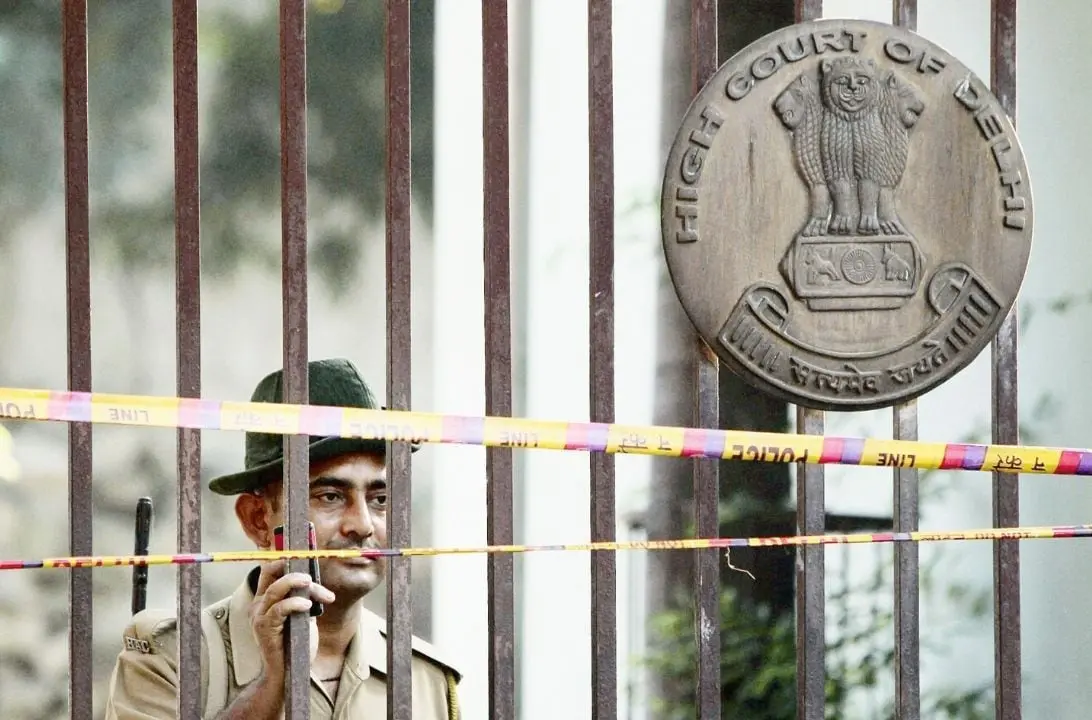
New Delhi: The Delhi High Court has set aside the suspension of a student from Dr B R Ambedkar University, emphasising that peaceful expression of ideas cannot be restricted simply because they do not align with institutional views.
Court underscores importance of dissent
Justice Jasmeet Singh observed that universities must foster an environment where students can freely engage in discussions, debate public issues, and participate in peaceful protests. He stressed that dissent and non-violent expression are integral to academic growth and democratic values.
The court noted that an institution focused only on obedience fails its broader role of nurturing independent thinking and critical reasoning among students.
Suspension termed ‘disproportionate’
The case stemmed from the suspension and later expulsion of a student accused of participating in campus protests. The university argued that the student violated prior court directions by taking part in demonstrations.
However, the High Court found no evidence that the protest disrupted academic functioning or interfered with other students. It ruled that even if the student had participated, the disciplinary action taken was “highly disproportionate” to the alleged conduct.
Universities must not suppress peaceful protests
The court clarified that universities, as public institutions, must not suppress peaceful and orderly protests. It added that addressing dissent through dialogue is more appropriate than punitive action.
Importantly, the bench held that enforcement of court orders lies with the judiciary, not university authorities, and cannot be used as grounds to curb peaceful expression.
Student allowed to resume studies
Taking note that the student had already lost a year of academic study, the court directed that the period be treated as sufficient consequence and allowed her to resume studies from July.
The judgment reinforces the principle that campuses are spaces for open dialogue and intellectual freedom. By protecting peaceful dissent, the court has highlighted the role of universities in shaping informed, questioning, and engaged citizens.