Wife moves court to preserve sperm of husband in coma since 2025
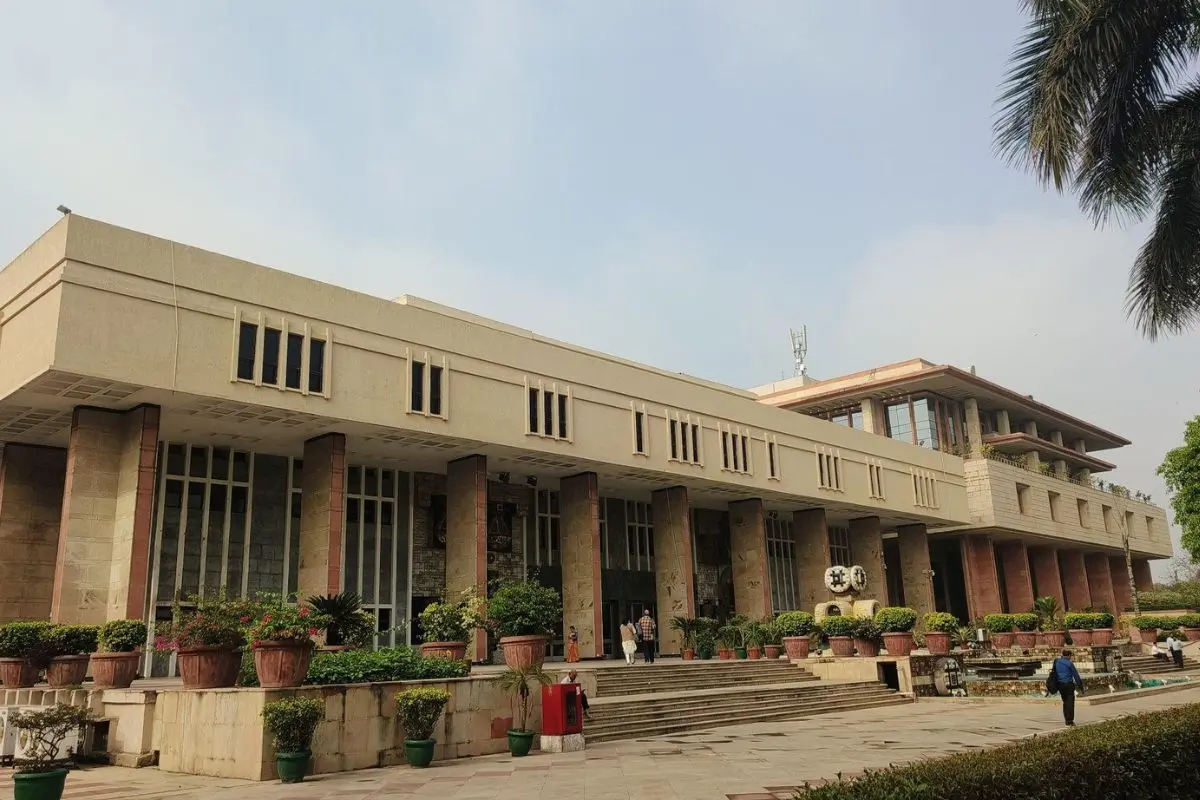
New Delhi: In a case that has reignited complex debates around reproductive rights, consent, and medical ethics, a woman has approached the Delhi High Court seeking permission to preserve the sperm of her husband, who has been in a coma since 2025.
The man is currently admitted to an intensive care unit and remains in a persistent vegetative state, with doctors describing his condition as extremely critical.
As he continues to be on life support, his wife has urged the court to allow her to preserve his sperm so she can potentially conceive a child in the future.
Representing the petitioner, advocate Arjit Gaur argued that time is of the essence.
He told the court that any delay could lead to deterioration of the sperm sample, effectively extinguishing the woman’s chances of having a biological child with her husband.
To address medical feasibility, the petitioner has proposed the formation of an expert committee that would assess whether sperm retrieval can be safely conducted given the patient’s condition.
The procedure, known as surgical sperm retrieval, involves extracting sperm directly from the testes using a fine needle.
The collected sample is then cryopreserved at minus 196 degrees Celsius, allowing it to be stored for years and used later through assisted reproductive techniques such as IVF.
However, the case presents significant legal hurdles. Under the Assisted Reproductive Technology (Regulation) Act, 2021, the use and preservation of sperm typically require the consent of both partners.
In this instance, the husband’s medical condition makes it impossible for him to provide informed consent, placing the case in a legal grey area.
Legal experts note that while posthumous reproduction, using preserved sperm after a person’s death, has seen some judicial consideration in India, cases involving individuals who are alive but incapacitated remain rare and contentious.
Courts have previously intervened in exceptional circumstances, but each case tends to be evaluated on its own merits, particularly when questions of autonomy and consent arise.
The Centre’s counsel informed the court that the matter is being examined carefully, given its sensitive nature and potential implications for existing laws.
The Delhi High Court is scheduled to hear the case on April 9, and its decision could set an important precedent for similar cases in the future.
As the legal battle unfolds, the case continues to spotlight the intersection of advancing medical technology and evolving legal frameworks, raising fundamental questions about reproductive rights, consent, and the definition of parenthood in extraordinary circumstances.