Delhi excise policy verdict: Key observations of the court explained
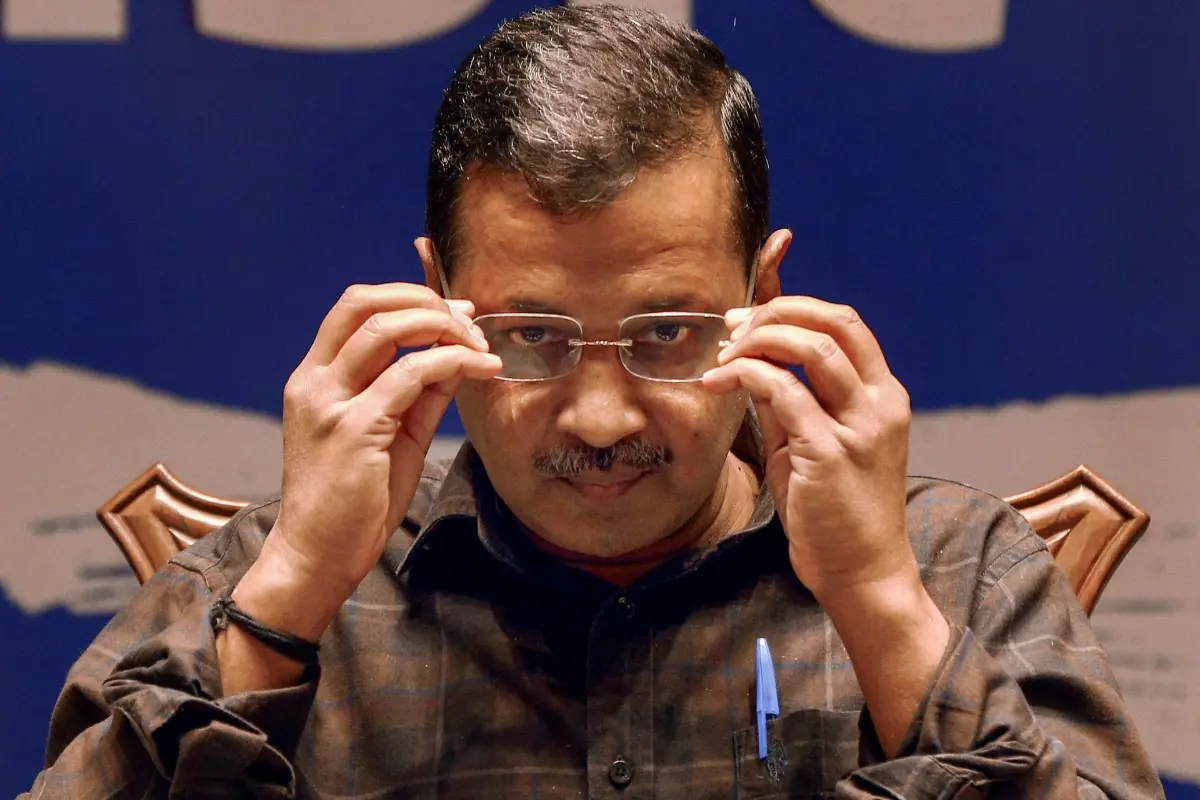
New Delhi: The Rouse Avenue Court in New Delhi discharged former Delhi Chief Minister Arvind Kejriwal, former Deputy Chief Minister Manish Sisodia and 21 other accused in the Delhi excise policy corruption case, delivering a strong critique of the investigation conducted by the Central Bureau of Investigation (CBI).
Special Judge Jitender Singh ruled that the prosecution failed to establish a prima facie case, stating that serious criminal allegations must be supported by material evidence rather than assertions alone.
Court’s key observations
During the verdict, the court noted that the prosecution’s “voluminous chargesheet” contained several lacunae and was not sufficiently supported by witness statements or concrete material evidence.
The judge reportedly observed that: “Serious allegations need to be supported with material.”
Key observations from the verdict included:
- No cogent material linking Kejriwal to the alleged conspiracy
- No evidence showing Sisodia’s direct involvement in wrongdoing
- Chargesheet contained internal contradictions
- Allegations were not backed by witness statements
The judge said serious criminal allegations must be supported by tangible evidence and warned that mere assertions cannot sustain prosecution in a court of law. The court also ordered a departmental inquiry against the CBI investigating officer, citing investigation lapses.
The court further stated that the attribution of a central conspiratorial role to the accused could not be sustained through mere claims, warning that unsupported prosecution theories could undermine public confidence in judicial and administrative institutions.
On the investigation, the court said the chargesheet running into thousands of pages included material that did not align with witness testimonies.
The verdict also mentioned that there were “misleading averments” in the chargesheet and internal contradictions in the prosecution’s conspiracy theory.
The judge added that criminal conspiracy cannot be established without fundamental supporting material and that implication of an individual in a criminal case must be based on cogent evidence.
Findings regarding Kejriwal and Sisodia
Regarding Sisodia, the court ruled that the prosecution failed to make out a case of criminal intent or illegal benefit.
The court observed that administrative discussions related to policy formulation were wrongly interpreted as criminal conduct.
On Kejriwal, the court held that he was implicated without any substantial material linking him directly to the alleged conspiracy.
The judgment emphasised that the absence of witness statements or recovery of incriminating material weakened the prosecution’s case.
Discharge of all accused
The court discharged all 23 accused persons in the case, including several political and business figures named in multiple chargesheets filed since 2022.
The verdict also ordered a departmental inquiry against the CBI investigating officer, citing investigative lapses.
Background of the case
The Delhi excise policy was introduced by the state government in 2021 to reform liquor trade and improve revenue collection but was later withdrawn after allegations of irregularities.
The case led to high-profile arrests, including Sisodia in 2023 and Kejriwal in 2024 during the course of the investigation. The ruling is considered a major setback for the prosecution as the court concluded that the evidence presented was insufficient to proceed to trial.
The judgment effectively ends one of the most politically sensitive corruption investigations linked to Delhi’s liquor policy reform.