Defence Ministry seals procurement contracts worth ₹1,980 Cr to boost Army’s anti-terror operations
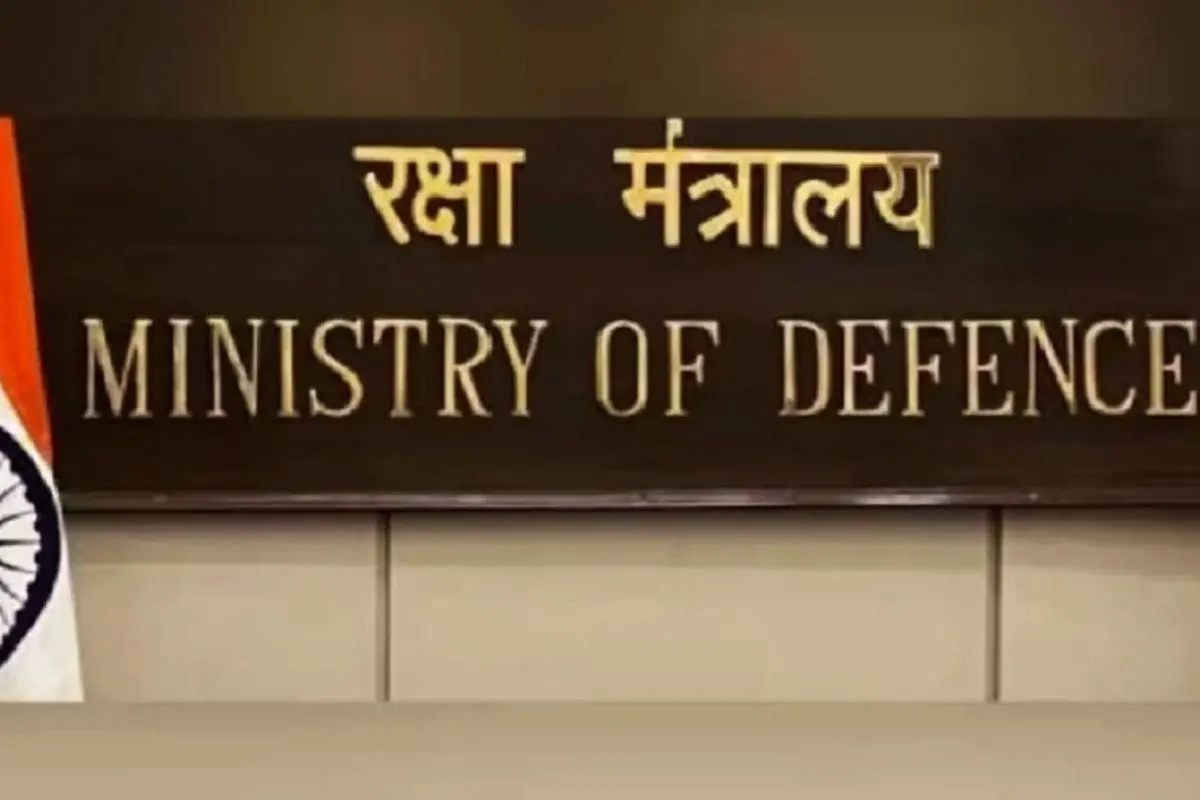
New Delhi: The Ministry of Defence has finalised 13 procurement contracts worth ₹1,980 crore under the emergency acquisition mechanism, aimed at enhancing the Indian Army’s preparedness in counter-terror operations, especially against cross-border threats.
According to officials, the deals include major upgrades to the Army’s integrated drone detection and interdiction systems, which are becoming central to its counter-terrorism framework.
The move comes as part of India's broader efforts to reinforce its military posture in Jammu and Kashmir, where Pakistan-backed terrorism continues to pose security challenges. Notably, on May 7, India conducted precision strikes targeting nine terror-related infrastructures across the border, in retaliation for the Pahalgam terror attack.
Enhancing security preparedness
The Ministry stated that the Army is set to receive a range of advanced equipment through these contracts, including low-level lightweight radars, very short range air defence (VSHORAD) missiles and launchers, loitering munitions, and remotely piloted aerial systems—some of which have vertical take-off and landing (VTOL) capabilities.
Additional procurements under the same mechanism include multiple drone variants, bulletproof jackets, and ballistic helmets, all selected to improve troop survivability and performance in active combat zones.
“In a significant move to strengthen the Indian Army's operational readiness in counter-terrorism operations, the Ministry of Defence has concluded 13 contracts under the emergency procurement mechanism,” an official statement said.
“These contracts, amounting to Rs 1,981.90 crore, have been finalised against an overall sanctioned outlay of Rs 2,000 crore for the Indian Army,” it added.
The Ministry noted that these acquisitions were carried out through fast-track procedures, ensuring swift induction of the systems. The goal, it said, is to bolster situational awareness, lethality, mobility, and protection for forces deployed in high-risk zones.
The entire procurement process was executed within accelerated timelines to ensure rapid enhancement of frontline capabilities, according to the ministry.