Great Nicobar row: Congress calls Centre’s response ‘damage control’ after Rahul Gandhi visit
New Delhi: The Congress has stepped up its attack on the Centre over the Great Nicobar Island Development Project, alleging that the government has gone into “damage control mode” following Leader of Opposition Rahul Gandhi’s recent visit to the island.
The party claims that official clarifications issued after his visit fail to address serious ecological, tribal, and governance-related concerns linked to the ambitious infrastructure plan.
Senior Congress leader Jairam Ramesh said the government’s press note, issued shortly after Rahul Gandhi’s April 28 visit, does not adequately respond to objections raised by environmental experts, anthropologists, civil society groups, and local communities. He argued that concerns had already been formally communicated to the Environment Ministry in 2024, but were not acted upon.
Ramesh further said the Centre’s argument that only a small portion of land in the Andaman and Nicobar Islands would be used is misleading, as Great Nicobar is ecologically unique and largely untouched. He pointed out that nearly 50 new species, including birds, reptiles, and crabs, have been identified in recent years, highlighting the island’s rich biodiversity and scientific importance.
He also raised concerns over the proposed development at Galathea Bay, which is considered a sensitive ecological zone and a key nesting site for endangered leatherback turtles. According to him, changes in regulatory classifications and inconsistencies in official data on tree felling raise serious questions about environmental safeguards.
The Congress leader said the project area includes unexplored forest regions where many species may still be undiscovered, warning that large-scale construction could permanently damage fragile ecosystems. He also criticised what he called a lack of transparency in addressing environmental risks associated with the project.
The political row intensified after Rahul Gandhi alleged that tribal rights and environmental protections were being undermined. During his visit, he claimed that local settlers and tribal communities were not receiving adequate compensation and accused the government of allowing corporate interests to override constitutional safeguards.
Gandhi also said the Forest Rights Act was not being properly implemented in the region, and described the project as part of a broader pattern of resource capture affecting vulnerable communities. His remarks have added fresh political momentum to the ongoing debate.
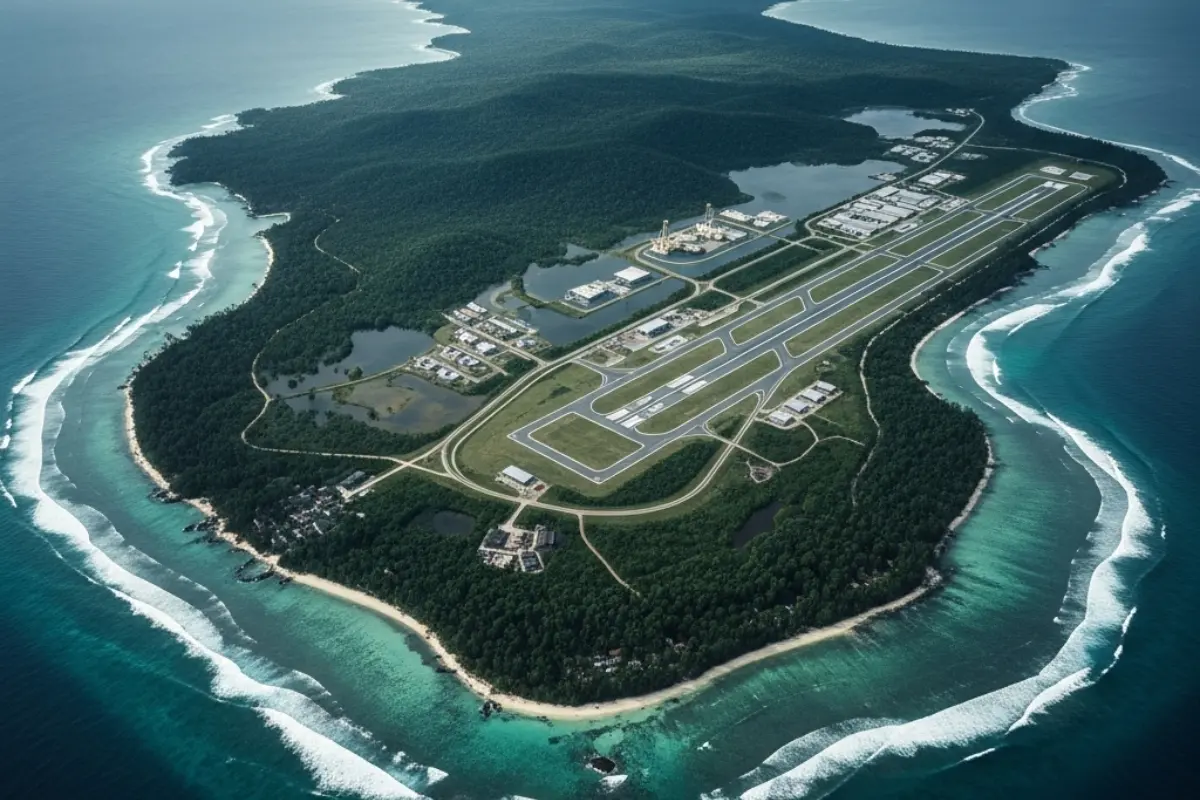
The Centre, however, maintains that the Great Nicobar Project is a strategic initiative aimed at transforming the island into a major maritime and economic hub. The plan includes an international container transshipment terminal, a greenfield airport, a gas-solar power plant, and a planned township, with emphasis on national security and regional connectivity.
Officials have also stated that the project aligns with existing policies for the protection of Particularly Vulnerable Tribal Groups, including the Shompen and Jarawa communities, and follows a structured consultation framework.
As the political and environmental debate continues, the Great Nicobar project has emerged as a major flashpoint between development priorities and ecological preservation, with both sides holding sharply contrasting views on its long-term impact.