Complaint over food served in trains surge by 500% in last 2 years, says RTI reply
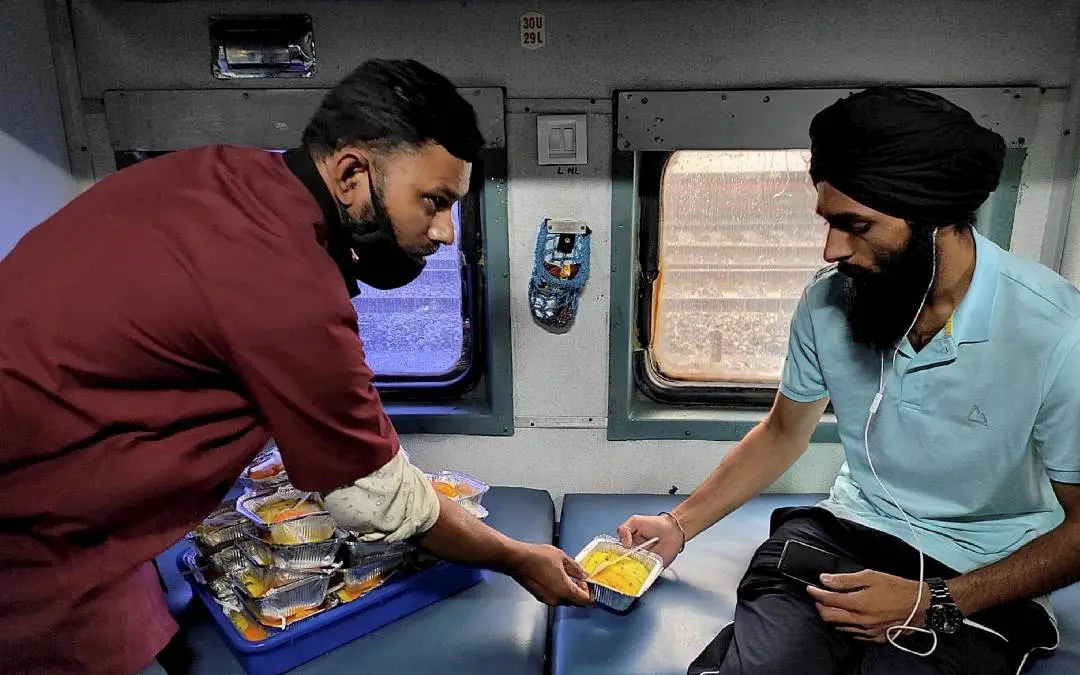
Chennai: Complaints over the poor quality of food served on trains have surged by 500 percent in the past two years. In March 2022, the Indian Railway Catering and Tourism Corporation (IRCTC) received 1,192 complaints related to food quality.
Between April 2023 and February 2024, the number of complaints had risen to 6,948, according to information provided under the Right to Information (RTI) Act.
Most complaints were linked to Vande Bharat, Rajadhani, Shatabdi, Duronto, and other Express trains. IRCTC has issued show cause notices to 68 of the contracted food suppliers, though only three contracts have been cancelled.
Indian Railways issued 1,518 catering contracts, but passenger association activists argue that IRCTC lacks proper systems to monitor the quality of oil used and food delivered to the passengers. Furthermore, they also point out that the number of trains with pantry cars is decreasing.
Currently, contracted companies prepare food off-site and load it onto trains, with no dedicated space at railway stations for cooking. As a result of the delay, there are chances of the food getting stale.
RTI activists claim that while contracts can be cancelled for supplying stale food, the IRCTC has not enforced strict action.
Meanwhile, the Congress criticised the Union government, accusing it of deteriorating railway services and distributing poor-quality food on trains. They highlight a 500 percent increase in complaints over two years, with viral videos showing meals containing insects and other issues. The Congress argues that the Modi government prioritises the interests of wealthy individuals over public welfare.
In response, IRCTC has issued a statement clarifying that in 2021-22, they received an average of 14 complaints daily, which amounts to just 0.0029 percent of the five lakh food packets sold on trains. For 2023-24, with 16 lakh food packets sold, the daily average of complaints has risen to 20. The IRCTC maintains that this represents a low percentage and has implemented measures, including CCTV monitoring of kitchens, to enhance food quality.